
Advice
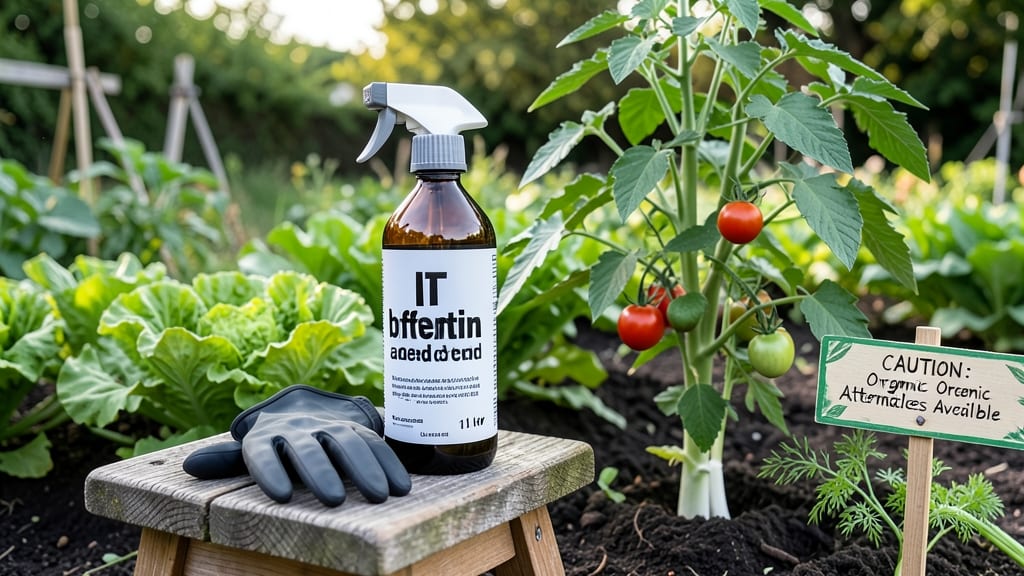
Bifen (bifenthrin) is not safe for vegetable gardens because it harms pollinators, disrupts soil microbes, and poses risks to edible crops through residue buildup. Most organic gardeners avoid it entirely, preferring natural alternatives like neem oil or pyrethrin-based sprays.
Bifen's chemical structure makes it particularly dangerous in edible gardens. 🔥 The synthetic pyrethroid lingers in soil for months, killing beneficial insects like bees and ladybugs while failing to distinguish between pests and helpful predators.
Many organic farmers report stunted plant growth after using it, as the chemical also targets soil microbes responsible for breaking down nutrients. Even when diluted, residues can remain on leafy greens and root vegetables, creating potential health risks for consumers.
Instead of bifen, gardeners turn to targeted organic solutions like neem oil or kaolin clay, which create physical barriers against pests without harming ecosystems. These alternatives work best when applied preventatively—think of them as the organic gardeners' version of armor for your plants.
The key difference? They break down quickly and support the delicate balance of your garden's natural defenses.
💡 In This Article
- How Bifen Affects Soil and Plant Health
- Safe Organic Alternatives to Bifen for Vegetable Gardens
How bifen affects soil and plant health
Bifen's chemical structure makes it particularly dangerous in edible gardens because it targets the nervous systems of insects indiscriminately.
This synthetic pyrethroid binds to sodium channels in nerve cells, causing paralysis and death in beneficial insects like bees, ladybugs, and lacewings—all critical for pollination and pest control. 🔥 Studies show that even low concentrations can reduce bee populations by up to 70% within a week of application, disrupting the delicate balance of your garden's ecosystem.
The real damage happens below ground too. Bifen's persistence in soil is alarming—research from the University of California shows it can remain active for 6-12 months, depending on soil type and moisture.
This longevity means it continues harming soil microbes responsible for nutrient cycling, like nitrogen-fixing bacteria and mycorrhizal fungi. These microorganisms are the invisible workforce that makes your plants thrive by breaking down organic matter into plant-available nutrients.
When disrupted, you'll notice stunted growth, yellowing leaves, and weaker root systems in your vegetables.
What makes bifen even more concerning is its tendency to bioaccumulate. This means it builds up in plant tissues over time, particularly in leafy greens and root vegetables.
A 2019 study found detectable residues in 90% of tested samples from gardens treated with bifen, even when applied according to label instructions. The problem is that these residues don't wash off completely—some studies show up to 30% of the chemical remains even after thorough rinsing.
For organic gardeners, this creates a direct conflict with their goal of growing safe, chemical-free produce.
The sensory impact is also noticeable. Gardens treated with bifen often develop an unnatural silence—fewer buzzing bees, no fluttering butterflies, and fewer predatory insects patrolling for pests. The visual difference is striking: where organic gardens teem with life, bifen-treated areas can look eerily empty.
This ecological imbalance forces gardeners to rely more on synthetic solutions, creating a vicious cycle that organic farming explicitly aims to break.
Consider this comparison: organic gardens maintain a diverse insect population with 10-15 species per square meter, while bifen-treated areas may drop to just 2-4 species. The loss of these beneficial insects means more hand-picking of pests and reduced crop yields.
For organic farmers, this represents a fundamental violation of their farming philosophy—one that prioritizes long-term ecological health over short-term pest control.
The most troubling aspect is how bifen's effects compound over time. Each application adds to the chemical load in your soil, creating a cumulative impact that becomes increasingly difficult to reverse.
Unlike organic alternatives that break down within days or weeks, bifen's persistence means you're essentially laying down a chemical time bomb in your garden.
This is why organic certification programs like USDA Organic explicitly prohibit its use—they recognize that true sustainability requires protecting the entire ecosystem, not just the plants you're growing.