
Tools
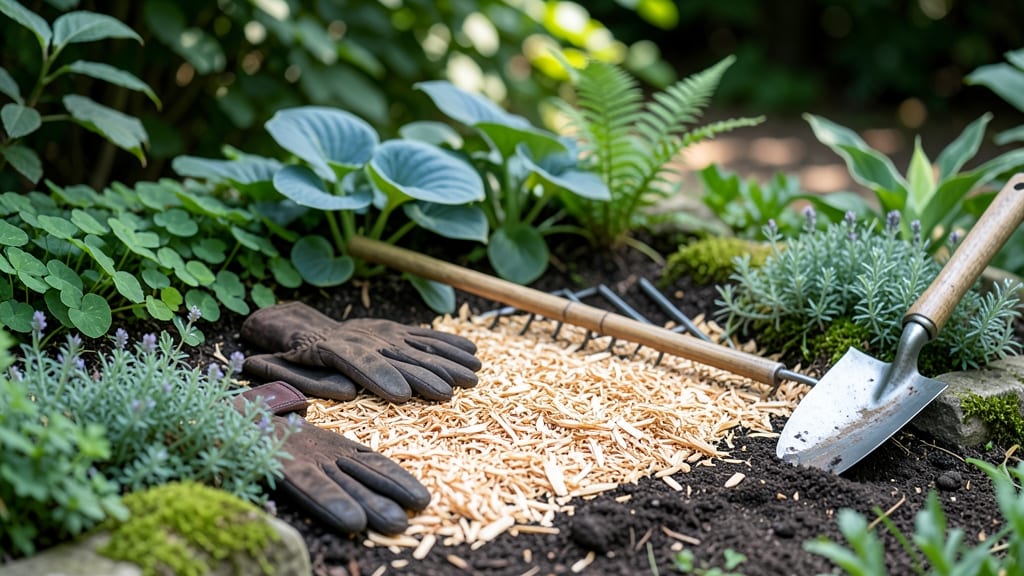
Adding pine shavings to garden beds can acidify soil, making it ideal for plants like blueberries and azaleas, but overuse risks harming vegetables by over-acidifying soil and reducing nitrogen levels. Always blend them with compost and test soil pH regularly.
Pine shavings work as a natural soil amendment because they release tannins that gradually lower pH levels, creating an acidic environment perfect for acid-loving plants. 🌱 However, this same acidification can become problematic for vegetables that prefer neutral soil, like tomatoes or peppers.
The key is moderation—using them as a mulch (about 1-2 inches) rather than a bulk amendment prevents excessive acid buildup. I've found that mixing pine shavings with compost helps balance the acidity while adding organic matter to improve soil structure over time.
For best results, focus on plants that thrive in acidic conditions, such as potatoes, blueberries, or rhododendrons. If you're growing vegetables, skip pine shavings entirely or use them sparingly in containers where you can control the soil mix.
Always monitor soil health with a pH test—this prevents unintended damage to your garden's ecosystem.
💡 In This Article
- How Pine Shavings Affect Soil pH and Plant Growth
- Best Practices for Using Pine Shavings in Garden Beds
How pine shavings affect soil pH and plant growth
Pine shavings release tannins and organic acids as they decompose, which gradually lower soil pH by breaking down into humic substances. This process creates an acidic environment ideal for plants like blueberries (pH 4.5-5.5) or rhododendrons (pH 4.5-6.0).
The tannins also act as natural fungicides, reducing soil-borne diseases in acid-loving plants. However, this acidification happens slowly—over months to years—so immediate pH changes are minimal unless applied in thick layers.
The chemical reaction involves microbial breakdown of pine cellulose and lignin, producing organic acids like acetic and formic acid. These compounds dissolve minerals in the soil, releasing aluminum and manganese in forms that become more available to plants. 🌿 The downside?
For vegetables like tomatoes or peppers (which prefer pH 6.0-7.0), excessive pine shavings can lock out essential nutrients like phosphorus and calcium by making them insoluble in acidic conditions. This is why gardeners often see stunted growth in vegetable beds when pine shavings are overused.
Long-term soil structure also changes when using pine shavings. While they improve drainage in heavy clay soils, their slow decomposition means they don't contribute much organic matter quickly. The fibrous texture helps prevent erosion but can create a thatch layer if not properly mixed into the soil.
This is why I recommend breaking them down further or using them as mulch rather than incorporating them directly into garden beds.
Another critical factor is nitrogen depletion. Pine shavings have a high carbon-to-nitrogen ratio (C:N ratio of 400:1), which means microbes decomposing them consume available nitrogen in the soil. For every 10 pounds of pine shavings added, you might lose 1 pound of nitrogen from your soil.
This is why pairing them with nitrogen-rich compost is essential—it replenishes what's lost during decomposition.
Consider this comparison: A 1-inch layer of pine shavings can lower soil pH by 0.5-1.0 points over a year, while a 3-inch layer might drop it by 1.5-2.5 points.
For most gardeners, this means careful monitoring—especially if you're growing a mix of acid-loving and neutral plants in the same bed. The key is testing your soil pH before and after application to avoid unintended consequences.
What most gardeners don't realize is that pine shavings also affect soil temperature. Their light color reflects sunlight, keeping soil cooler in summer, while their insulating properties help retain heat in winter. This dual effect can extend growing seasons for cold-sensitive acid-loving plants like azaleas or gardenias.
However, this benefit is secondary to the pH impact—so always prioritize soil testing when deciding whether to use them.