
Tools
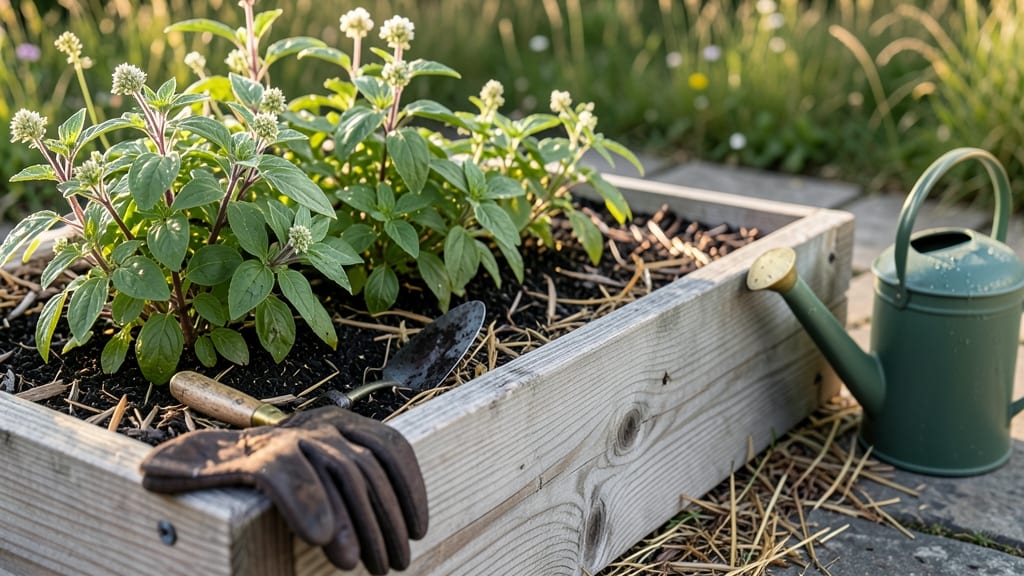
The ideal raised garden bed height ranges from 6 to 12 inches to balance root space and accessibility, with 8 to 12 inches recommended for taller gardeners or heavy soil conditions. Deeper beds (18+ inches) accommodate root crops like carrots but demand more soil and maintenance.
Choosing the right raised garden bed height directly impacts your plants' success.
A 6-inch bed works for shallow-rooted plants like lettuce or herbs, while 12-inch beds give root vegetables like potatoes and carrots the space they need to thrive. 🌱 The extra height also improves drainage and reduces soil compaction, which is especially helpful in clay-heavy areas.
For gardeners with back issues, taller beds eliminate the need for excessive bending, making maintenance far more comfortable.
If you're growing primarily leafy greens or strawberries, a 6-inch bed is perfectly adequate. However, if you plan to cultivate deeper-rooted crops or want to minimize soil replacement needs, investing in an 8- to 12-inch bed pays off in the long run.
The key is matching your bed height to both your plant types and your physical comfort during planting and harvesting.
💡 In This Article
- Why Raised Garden Bed Height Affects Plant Growth
- Choosing the Best Raised Garden Bed Height for Your Needs
Why raised garden bed height affects plant growth
Root development is the primary driver behind why bed height matters so much. Shallow beds (6 inches) restrict root growth for plants like tomatoes or carrots, forcing them to compete for nutrients in a confined space.
Studies show that deeper beds (12+ inches) allow roots to spread 30-50% more vertically, accessing moisture and nutrients more efficiently. The extra depth also prevents root binding—a condition where roots become tangled and stunted in compacted soil.
Soil aeration improves dramatically with height because deeper beds allow for better oxygen circulation. In shallow beds, the top 2-3 inches can become waterlogged, creating anaerobic zones where beneficial microbes struggle to thrive.
Deeper beds also regulate temperature better—surface soil heats up faster in summer but stays cooler longer, protecting delicate roots from temperature extremes. For example, a 12-inch bed maintains 5-10°F cooler soil temperatures than a 6-inch bed during peak summer heat.
Moisture retention is another critical factor. Taller beds hold 20-30% more water by volume, reducing the frequency of watering needed. This is especially valuable for clay-heavy soils where water pools at the surface.
The extra height also creates a natural gradient—water drains down while nutrients percolate upward, creating a more balanced growing environment. Leafy greens like spinach thrive in 6-inch beds, but root crops like beets need 10+ inches to develop properly.
Accessibility isn't just about gardener comfort—it affects plant health too. Taller beds (10-12 inches) reduce soil compaction from foot traffic, as gardeners stand rather than kneel. This creates a looser soil structure that roots can penetrate more easily.
For container-grown plants, the difference is even more pronounced—they develop stronger root systems when given the space to grow downward rather than being confined to surface layers.
Consider this comparison: In a 6-inch bed, carrots might only reach 4-5 inches long before hitting compacted soil, while in a 12-inch bed, they can grow their full 8-10 inches.
The same principle applies to potatoes—shallow beds limit tuber development to small, misshapen potatoes, while deeper beds allow for proper bulb formation. 🌱
For heavy soil conditions, the height advantage becomes even more critical. Clay soils naturally compact when wet, creating anaerobic zones that suffocate roots. A 12-inch bed with amended soil (like compost) creates a looser profile where roots can grow freely.
The extra depth also helps prevent "soil crusting" on the surface, which can block seedling emergence and water infiltration.