I’ve always found solace in the dirt—whether it was sneaking tomatoes from my neighbor’s garden as a kid or helping my grandpa coax life out of stubborn seeds. This site is where I share the lessons I’ve learned from both successes and spectacular failures. My goal?
To make gardening feel less like a chore and more like a conversation with the earth.
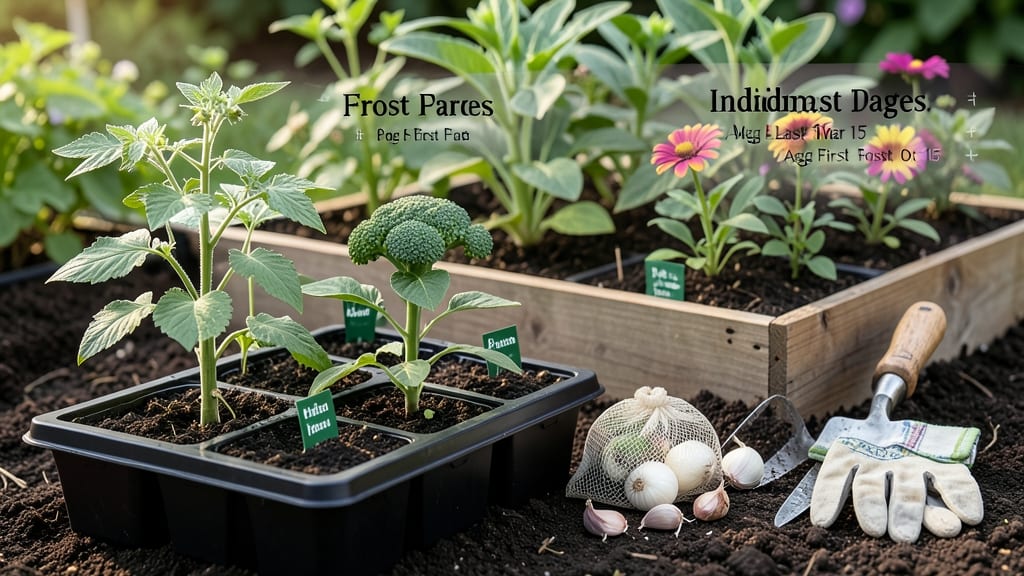
Planting a fall garden in North Texas starts 6-8 weeks before your first frost —typically mid-August to mid-October—when the heat begins to ease and the soil stays warm enough for seeds to germinate. North Texas…
Planting your fall garden in Texas between mid-August and early October is the key to beating the heat and frost—timing this window right means the difference between a bountiful harvest and wasted seeds. Texas gardeners…
To plant a garden in Indiana, time your sowing between mid-April and mid-May after the last frost 🌱—or late August to early September for fall crops—when soil temperatures hit the sweet spot for each plant. Indiana’s…
Planting your garden in Upstate NY at the right time means the difference between a lush harvest and a sad, wilted disappointment. Upstate NY’s unpredictable frost dates can turn your gardening dreams into guesswork—but…
Planting your garden plants at the right time is the secret to thriving harvests and fewer headaches — and the window opens sooner than you think. Missed the mark last year? You’re not alone. Too early, and frost zaps…
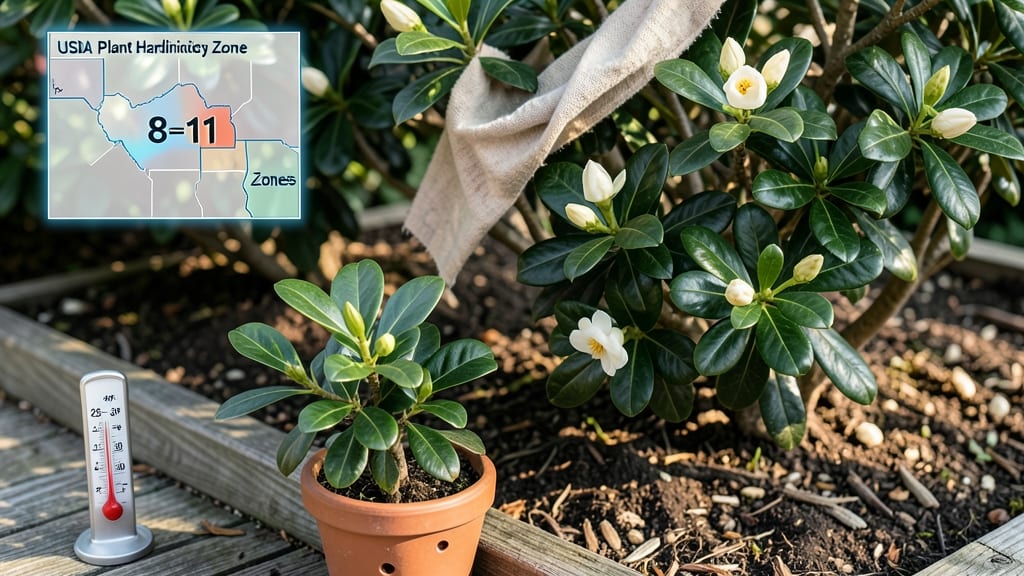
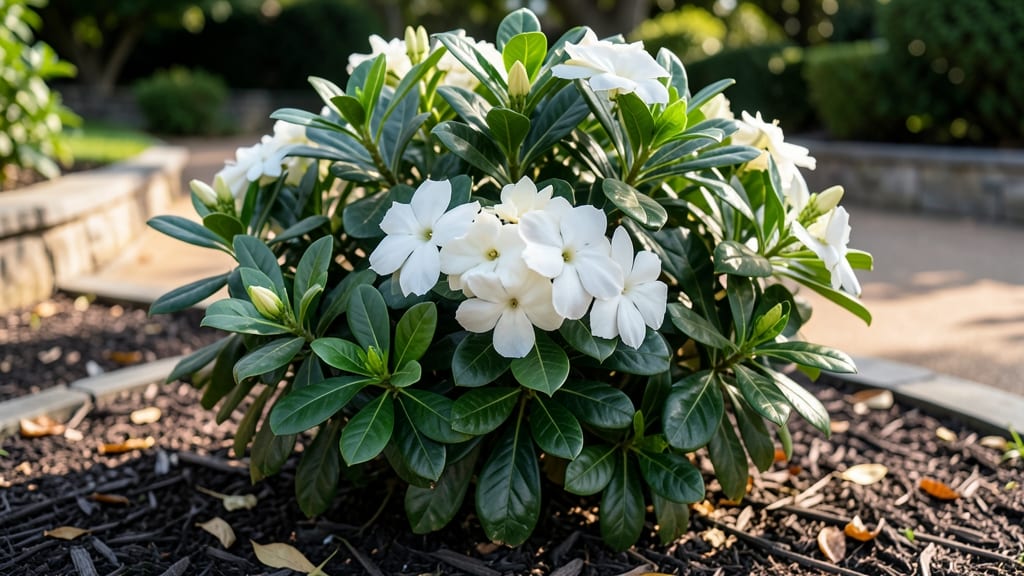
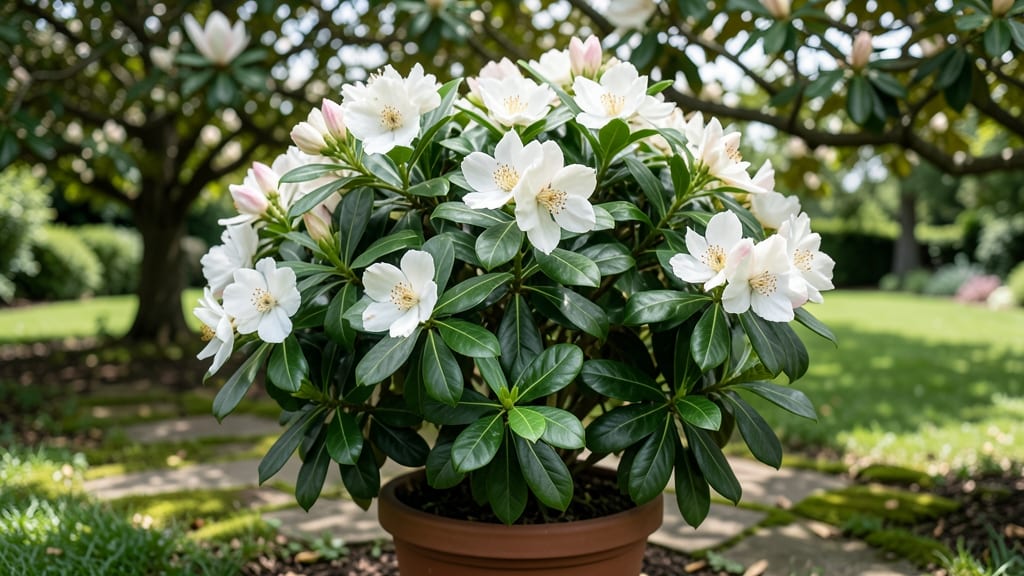
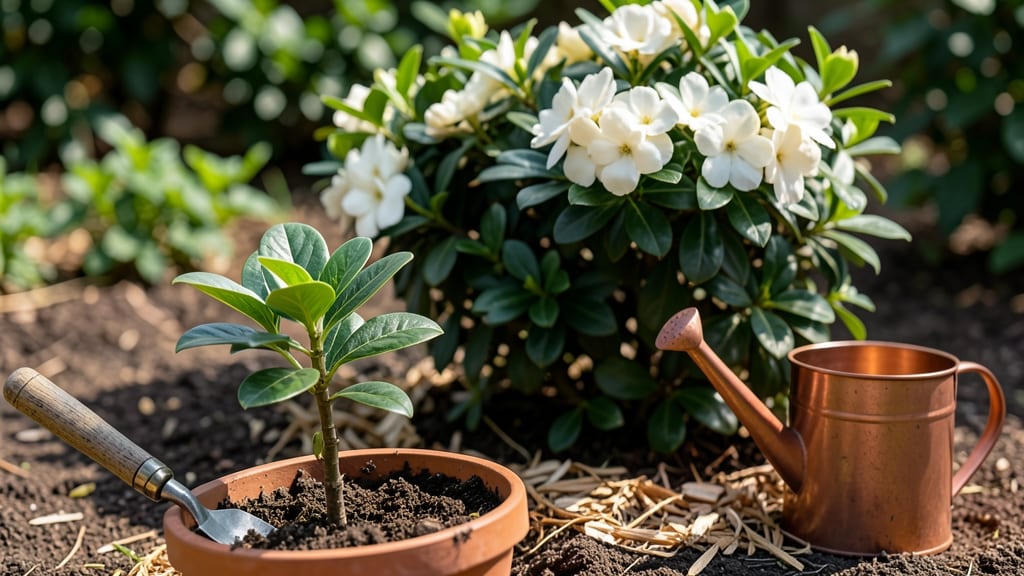
Planting gardenias in Georgia after the last frost — typically mid-March — gives these fragrant shrubs the best shot at thriving in your 7b-8b zone. Georgia’s humid climate creates the perfect paradise for gardenias 🌸…
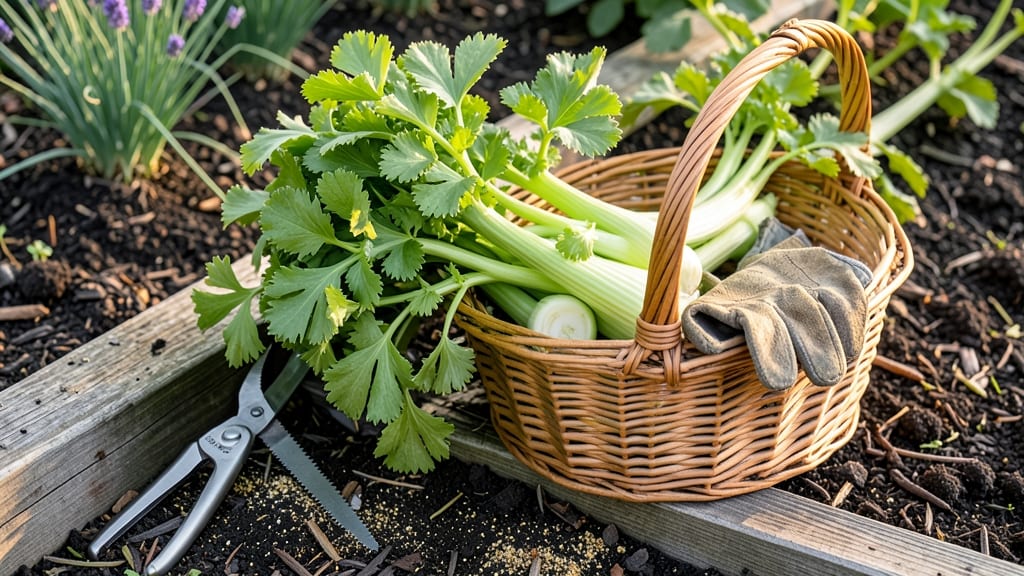
Harvesting garden celery at the right time means the difference between crisp, flavorful stalks and tough, bitter disappointment. Picture this: you’ve nurtured your 🥬 plants all season, keeping the soil moist and the…
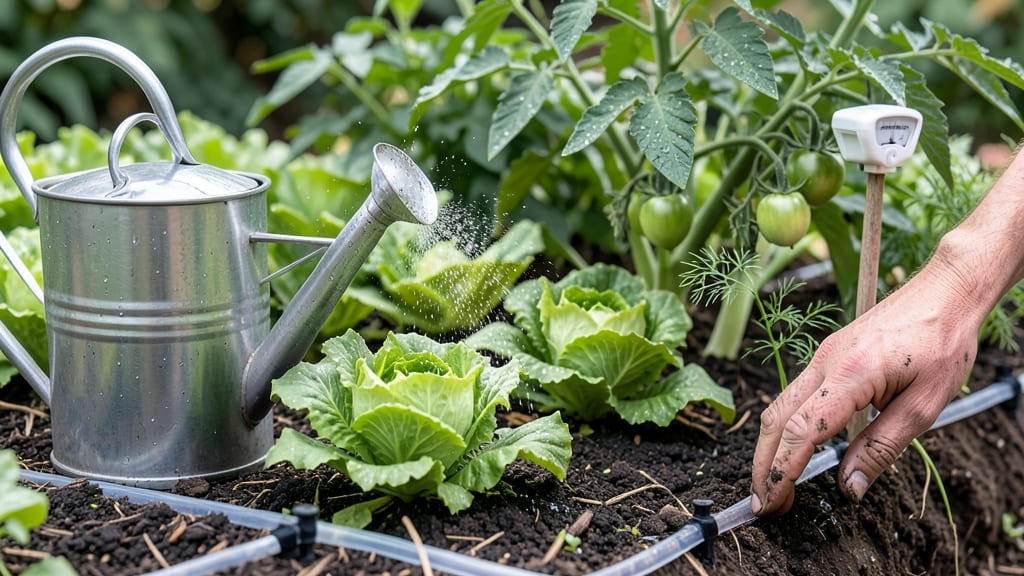
Watering your vegetable garden the right amount keeps 🥬 thriving without wasting a drop—here’s how to get it perfect every time. Most gardeners guess at watering, then wonder why their tomatoes split or lettuce bolts…
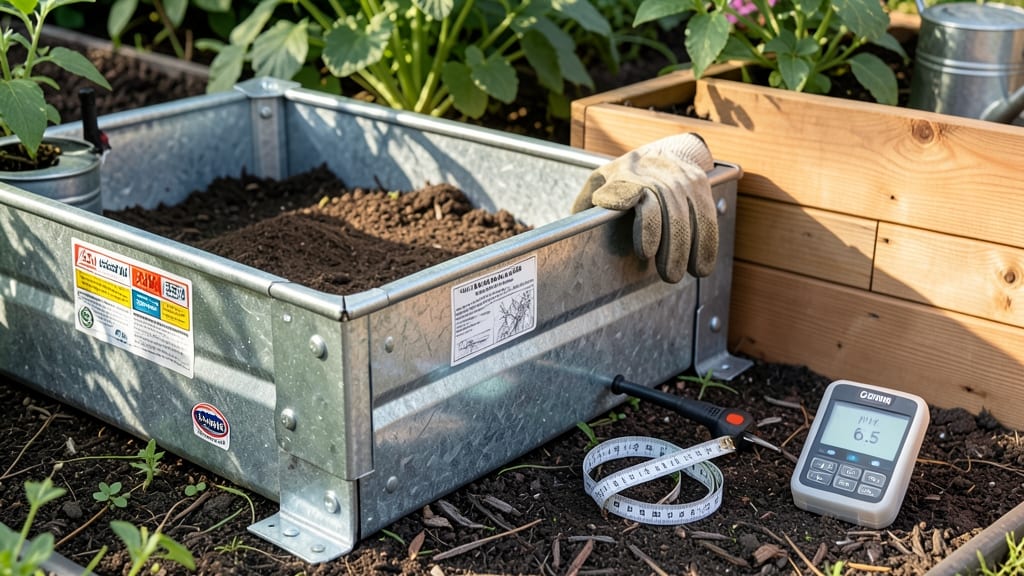
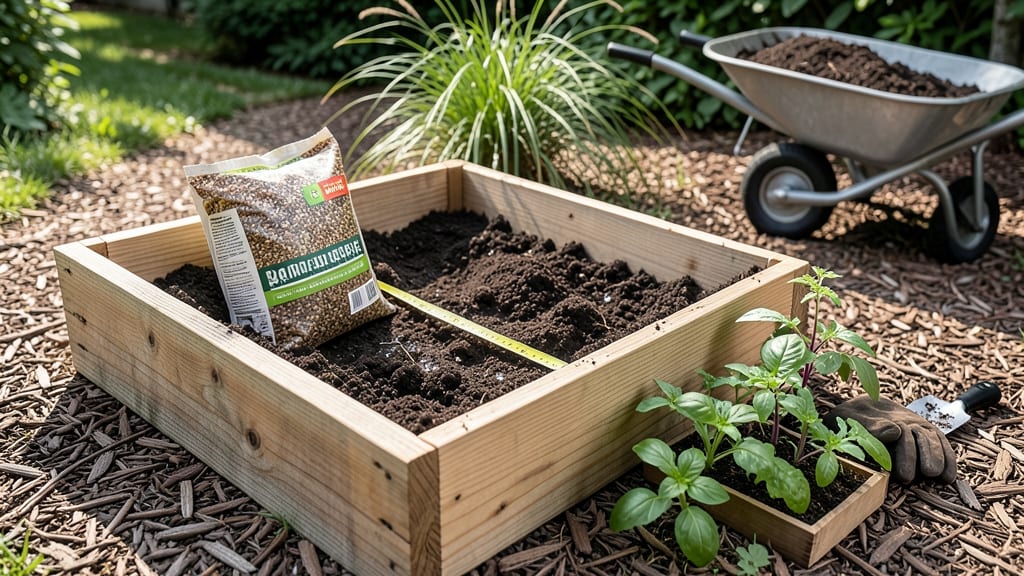
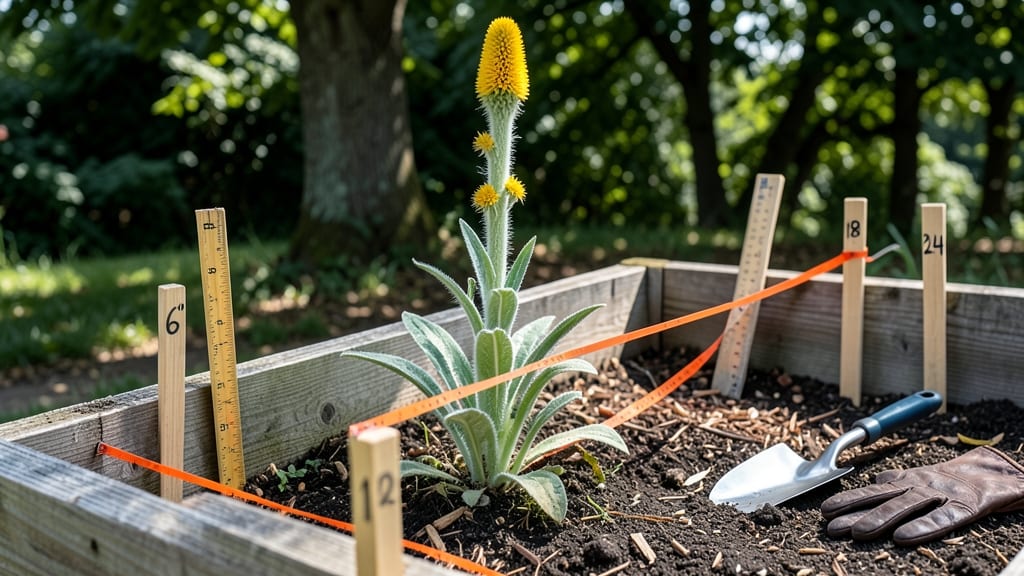
To make raised garden beds tall enough for root space and drainage, aim for 6 to 12 inches —the sweet spot for most vegetables and herbs while keeping them manageable for planting and harvesting. Picture this: you’re…
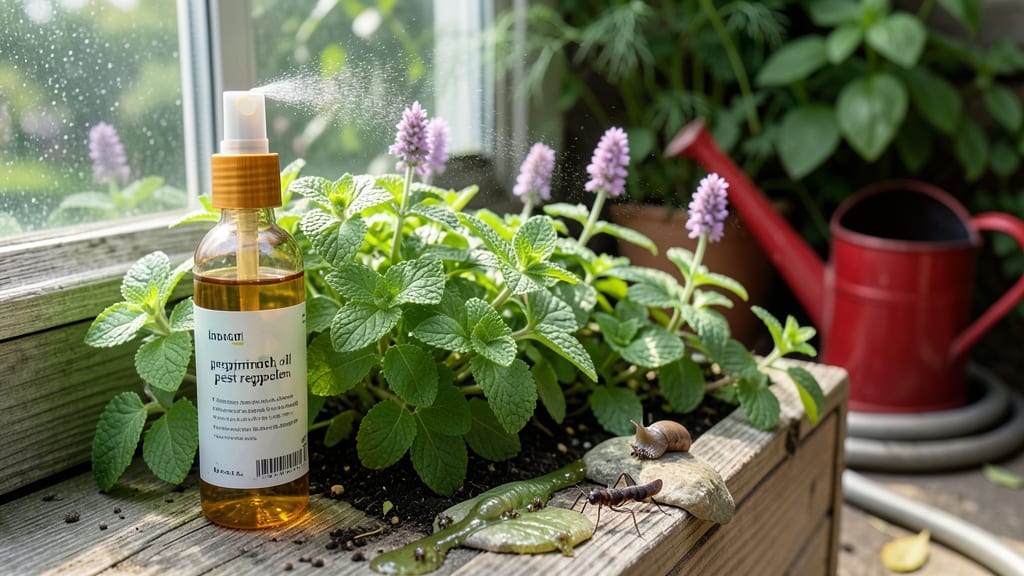
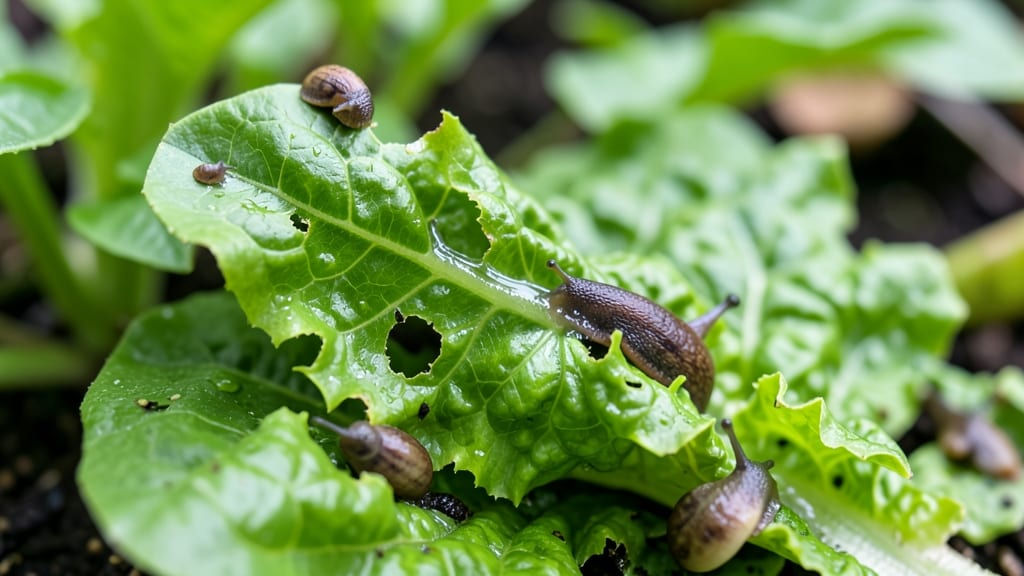
Ridding your garden of slugs and snails starts with the right approach—because those slimy trails and ragged leaves mean your plants are under siege 🐌🐌. Picture this: you’ve spent hours nurturing your garden, only to…