
Landscaping
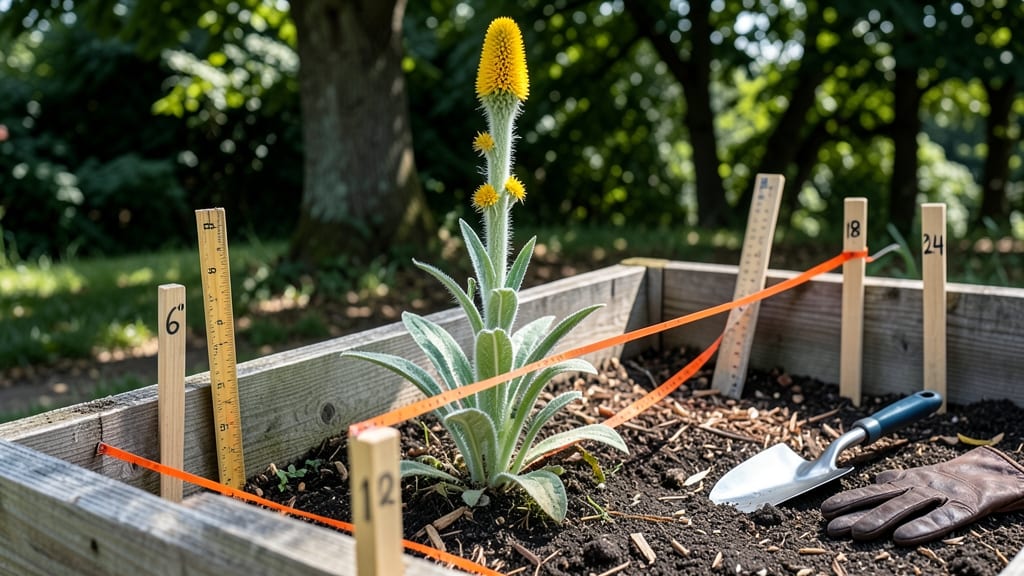
To make raised garden beds tall enough for root space and drainage, aim for 6 to 12 inches—the sweet spot for most vegetables and herbs while keeping them manageable for planting and harvesting.
Picture this: you’re kneeling in a bed that’s only 4 inches deep, fighting to dig for carrots while your back protests. Or worse, your tomatoes struggle to root deep enough to stay upright in a shallow bed.
The right height isn’t just about aesthetics—it’s about plant health and your comfort.
Science shows that deeper beds (12+ inches) give root crops like potatoes and carrots the room they need to thrive, while shallower beds (6 inches) work for leafy greens and herbs.
But there’s more to it than just depth—we’ll cover how height affects soil warmth, accessibility, and even what you can grow in your space.
By the end of this guide, you’ll know exactly how tall to build your raised garden beds for stronger plants, easier maintenance, and a harvest that keeps coming all season long—no guesswork required.

Optimal raised garden bed heights for root depth and plant types
The height of your raised garden bed isn't just about aesthetics—it directly impacts root growth, drainage efficiency, and which plant varieties thrive. Too shallow, and deep-rooted crops like asparagus or tomatoes will struggle; too tall, and you risk poor soil aeration or heat stress in summer.
Let’s explore the science-backed heights that balance these factors for different plants.
Most gardeners start with 6- to 12-inch beds for shallow-rooted crops like lettuce or herbs, but deeper beds (18-24 inches) unlock potential for heavy feeders like squash or fruit trees. The key is matching bed height to your soil depth needs and plant maturity.
For example, carrots need at least 12 inches of loose soil to avoid forking, while strawberries do fine in 6 inches.
Here’s the golden rule: Soil depth should equal the deepest root of your main crop plus 3-6 inches of buffer. This extra space prevents roots from hitting the bed’s bottom and becoming root-bound.
For instance, if you’re growing potatoes (roots up to 24 inches), aim for a 24-inch-deep bed. But for radishes (roots under 6 inches), a 6-inch bed suffices.
Drainage is another critical factor. Taller beds (18+ inches) improve water runoff in heavy clay soils, but they also retain heat longer, which can stress heat-sensitive plants like spinach. A 12-inch bed offers a happy medium—enough depth for most vegetables while keeping soil temperatures stable.
Always include a drainage layer (gravel or landscape fabric) at the bottom to prevent waterlogging.
Let’s break down the ideal heights for common plant types in this summary table, so you can visualize what works best for your garden:
For herbs and leafy greens, a 6-inch bed is often sufficient, but I always add 2-3 inches of compost on top to boost fertility. This gives roots room to spread without overcrowding.
The trade-off? You’ll need to replenish compost yearly. Meanwhile, deep-rooted perennials like asparagus demand 24-inch beds—think of it as an investment in 5-10 years of harvests.
Accessibility matters too. A 12-inch bed sits at a comfortable height for most gardeners, reducing knee strain while accommodating wheelbarrow access. If you’re growing heavy feeders like <
How tall should your raised beds be? A comparison of common heights
Choosing the right height for your raised garden beds isn’t just about aesthetics—it directly impacts root growth, drainage efficiency, and even your own garden accessibility.
Most gardeners default to 6-inch or 12-inch beds, but science shows deeper beds can unlock better yields for root crops like carrots and potatoes. Let’s compare the most common heights to help you decide what works best for your space and plants.
Start with your garden goals. Are you growing shallow-rooted herbs or deep-rooted vegetables? Do you need knee-friendly heights for comfort? Each bed height offers trade-offs between soil volume, heat retention, and construction ease.
For example, a 6-inch bed is perfect for lettuce and strawberries but struggles with asparagus. Meanwhile, a 24-inch bed may be overkill for annual flowers but ideal for perennial shrubs.
For most home gardeners, a 12-inch bed strikes the perfect balance. It accommodates 80% of vegetables while keeping construction costs reasonable and soil temperatures ideal. However, if you’re growing asparagus, potatoes, or rhubarb, consider 18-inch beds—they provide the extra root depth these crops crave.
Pro tip: Add compost-rich soil in layers to maximize nutrient availability in deeper beds.
Don’t overlook the accessibility factor. A 24-inch bed brings planting to countertop height, reducing back strain—ideal for gardeners with mobility challenges. But beware: taller beds require more soil and may need additional support to prevent warping.
If you’re unsure, start with a 12-inch bed and test how it feels before committing to taller structures.
One final consideration: heat retention. Deeper beds stay warmer longer, which can be a double-edged sword. While this extends the growing season for cool-season crops, it may also stress heat-sensitive plants like lettuce. To mitigate this, mulch with straw or wood chips to regulate soil temperature naturally.
Experiment with different heights in your garden—you might discover that varied bed heights create microclimates perfect for specific plants. Just remember: the best height depends on your plants, soil, and personal comfort.
Start with what works for you, then adjust as you learn what thrives in your unique space. 🌱