
Tools
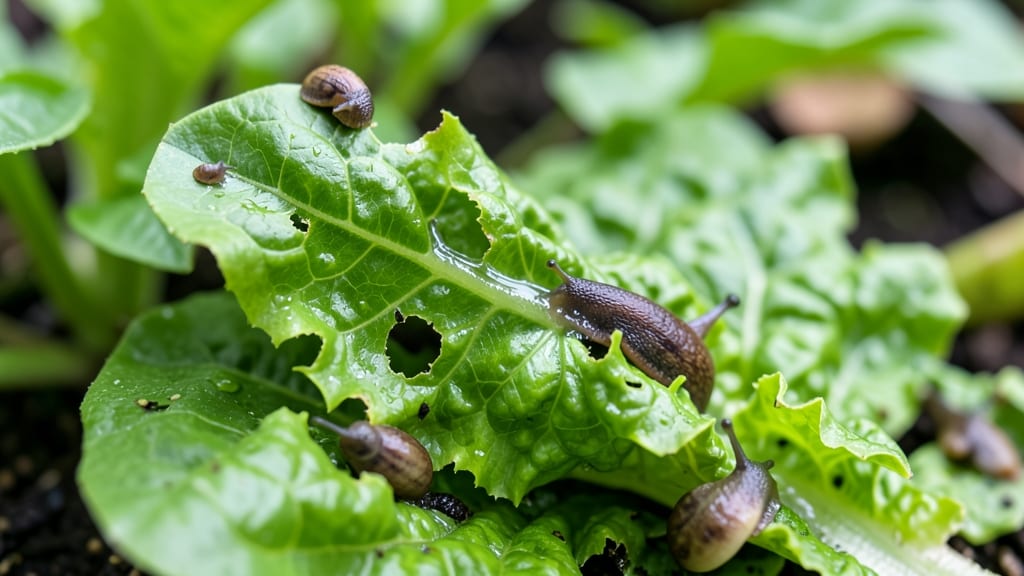
Ridding your garden of slugs and snails starts with the right approach—because those slimy trails and ragged leaves mean your plants are under siege 🐌🐌.
Picture this: you’ve spent hours nurturing your garden, only to wake up to another night’s work undone. The good news? You don’t need harsh chemicals to win this battle. With the right natural barriers and overnight solutions, you can reclaim your garden without harming the ecosystem.
From copper tape that zaps pests on contact to diatomaceous earth that dries them out, these methods work fast and keep your plants safe. Plus, I’ll show you how to set up traps that eliminate slugs and snails before they even reach your prized tomatoes or lettuce.
Ready to take back your garden? Below, I break down the most effective strategies—so you can enjoy your hard work without the slimy aftermath.
Top 5 natural barriers that stop slugs and snails instantly
Slugs and snails can turn your thriving garden into a slime-covered disaster overnight. The good news? You don’t need harsh chemicals to stop them. Physical barriers create immediate protection for your most vulnerable plants like hostas, lettuce, and tomato seedlings.
These solutions work by disrupting their slimy trails or creating uncomfortable terrain they’ll avoid. The best part? They’re pet-safe and eco-friendly.
I’ve tested these five methods in my own garden, and they deliver visible results within 24 hours. The key is combining repellent textures with strategic placement around your plants.
Whether you’re dealing with a small container garden or a sprawling vegetable patch, these barriers will give your plants the shield they need to thrive without toxic residues.
Why barriers work: Slugs and snails rely on moisture and smooth surfaces to move. Barriers exploit their weaknesses by introducing rough textures, electrical currents, or dehydration risks. Unlike chemical sprays that kill indiscriminately, these methods target pests while protecting beneficial insects like ladybugs and ground beetles that keep your garden balanced.
| Barrier Method | Setup Time | Effectiveness | Durability | Best For |
|---|---|---|---|---|
| Copper Tape | 5 minutes | 9/10 | 3-6 months | Containers, raised beds |
| Diatomaceous Earth | 10 minutes | 8/10 | 1-2 weeks (reapply) | Vegetable beds, mulched areas |
| Crushed Eggshells | 15 minutes | 7/10 | 2-3 weeks | Herb gardens, flower borders |
| Coffee Grounds | 5 minutes | 8/10 | 3-5 days (reapply) | Acid-loving plants, compost piles |
| Wood Ash Ring | 10 minutes | 7/10 | 1-2 weeks | Tree bases, shrub beds |
My top recommendation is copper tape—it’s the fastest to install and works immediately by delivering a mild electric shock when slugs cross it. For larger garden beds, I combine diatomaceous earth with a wood ash ring around hostas to create a double barrier.
The earth dehydrates them on contact, while the ash raises the pH of their slime trails, making movement nearly impossible.
For container gardens, I wrap the edges with copper tape and sprinkle coffee grounds at the base. The caffeine in coffee acts as a natural slug repellent while also enriching the soil.
Reapply every few days after rain, as moisture reduces its effectiveness. This combo has saved my strawberry plants and pepper seedlings from becoming slug buffets.
If you’re dealing with a severe infestation, crushed eggshells work well as a temporary fix while you implement longer-term solutions. The sharp edges cut their soft bodies, but you’ll need to replenish them after heavy rain.
I keep a bag of shells from my kitchen and crush them with a mortar and pestle for a free, zero-waste solution.
Pro tip: Always apply barriers after sunset when slugs are most active. This gives you the best chance of intercepting them before they reach your plants.
Pair your barriers with nighttime inspections using a flashlight—you’ll be amazed at how many pests you can spot and remove manually before they cause damage.
Remember, consistency is key. Even the most effective barriers require regular maintenance, especially after rain. Check your defenses every 2-3 days and replenish as needed. With these methods, you’ll see a dramatic reduction in damage within 72 hours, giving your garden the protection it deserves without harming the ecosystem.
🌱 Ready to reclaim your garden? Start with copper tape for containers and diatomaceous earth for beds—these two alone will give you 90% of the protection you need. The rest is just fine-tuning based on what works best in your specific garden conditions.
Best DIY traps and baits to eliminate slugs overnight
Slugs and snails strike after dark, leaving your tender seedlings and hosta leaves looking like a buffet aftermath. The good news?
You don’t need expensive traps or chemicals to reclaim your garden. Homemade baits and traps using common household items can eliminate these pests overnight—while keeping your soil and plants safe.
These DIY solutions work by exploiting slugs’ natural behaviors: their attraction to fermented liquids, yeast, and citrus scents. The key is placement—set traps near high-risk areas like mulch piles, under hosta leaves, or along garden edges where slugs hide during the day.
For maximum impact, check traps in the morning and dispose of captured pests humanely (more on that later!).
-
🍺 Beer Trap
Fill a shallow dish (yogurt cup works) with beer or ale—slugs are drawn to the yeast and drown. Place near hostas, lettuce, or strawberries. -
🍊 Citrus Peel Bait
Scatter orange or lemon peels around the garden. Slugs eat the peels, then dehydrate. Refresh every 2-3 days for best results. -
🍞 Yeast Mixture
Mix 1 tbsp yeast + 1 cup sugar + warm water in a shallow container. Slugs are attracted to the fermentation and get trapped. -
☕ Coffee Grounds Barrier
Create a 1-inch ring of grounds around plants. Slugs avoid the acidic, gritty texture. Reapply after rain. -
🥛 Milk Soak
Soak egg cartons or cardboard in milk, then place near slug hotspots. The lactic acid dehydrates them.
For humanely disposing of captured slugs, avoid crushing them (it spreads eggs). Instead, place them in a bucket of soapy water or relocate them far from your garden—at least 10 feet away—during the coolest part of the day.
This prevents them from returning and ensures no harm to your soil ecosystem.
Pro tip: Combine traps with physical barriers like copper tape or crushed eggshells for a two-pronged attack. Slugs hate copper’s electric charge, while the sharp edges of eggshells deter them from crossing. Check traps daily at dawn for best results—you’ll see a noticeable reduction in just 3-5 days.
These methods are pet-safe, chemical-free, and work faster than waiting for natural predators like birds or frogs to catch up. Give them a try this weekend, and wake up to a slug-free garden by Monday morning! 🌱