Planting
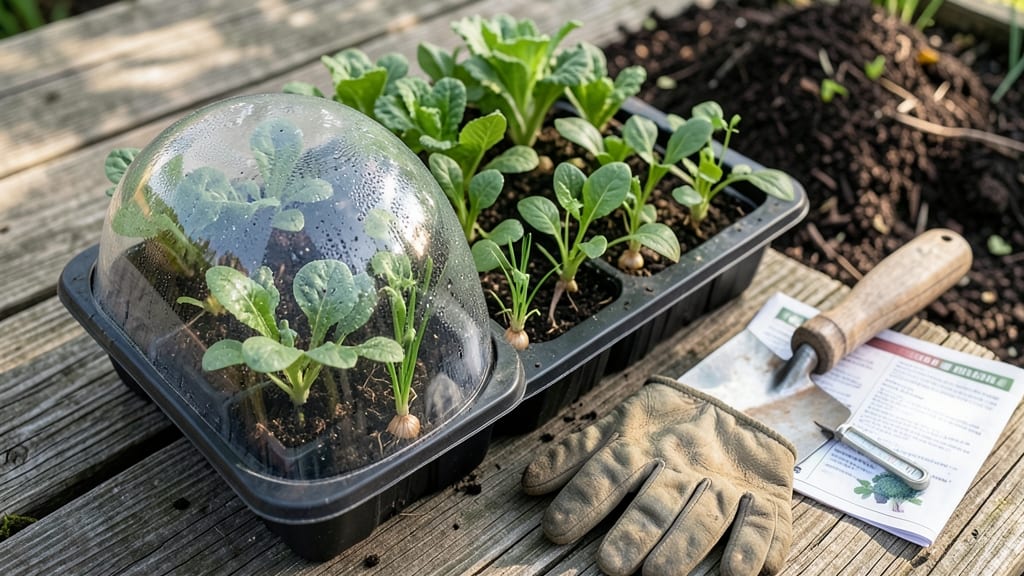
Planting your garden in Upstate NY at the right time means the difference between a lush harvest and a sad, wilted disappointment.
Upstate NY’s unpredictable frost dates can turn your gardening dreams into guesswork—but timing your plantings just right means the difference between a thriving harvest and a sad, wilted disappointment. Whether you're in the Adirondacks or the Finger Lakes, getting the frost-free window right is the key to success.
Most gardeners in USDA Zones 5a through 6a should start cool-season crops like lettuce and spinach in early spring, around late April to early May, while warm-season plants like tomatoes and peppers need to wait until after the last frost, typically mid-May to early June.
But don’t let those averages fool you—microclimates play a huge role.
In this guide, I’ll break down the exact frost dates by region, share tips for extending your growing season, and help you avoid common planting mistakes so you can grow a garden that’s as productive as it is beautiful.
Upstate NY frost dates by region: when to plant cool vs warm season crops
Upstate New York's diverse geography means frost dates can vary by hundreds of miles—and even neighboring towns may have different last-frost dates. Understanding your specific microclimate is the key to planting lettuce that thrives and tomatoes that ripen before fall frost.
The Adirondacks often see frost a week later than the Southern Tier, so blindly following general guidelines can backfire. Let’s break down the frost-free windows for five key Upstate NY regions and when to plant your favorite crops.
First, grab your garden calendar and pencil in these average last frost dates as your starting point. Remember, these are averages—actual dates can shift by 1-2 weeks depending on elevation, proximity to lakes, and recent weather patterns.
For example, Albany typically sees its last frost around May 10-15, while Buffalo might wait until May 20-25. These differences matter when choosing between cool-season crops like spinach and warm-season crops like peppers.
| Region | Avg Last Frost | Avg First Frost | Cool-Season Planting | Warm-Season Planting |
|---|---|---|---|---|
| Adirondacks (Lake Placid, Saranac Lake) | May 15-20 | October 5-10 | April 15-May 10 | May 25-June 5 |
| Capital District (Albany, Schenectady) | May 10-15 | October 10-15 | April 1-May 5 | May 20-June 1 |
| Finger Lakes (Ithaca, Rochester) | May 15-20 | October 5-10 | April 10-May 10 | May 25-June 5 |
| Western NY (Buffalo, Niagara Falls) | May 20-25 | October 10-15 | April 15-May 15 | June 1-10 |
| Southern Tier (Binghamton, Elmira) | May 10-15 | October 5-10 | April 1-May 5 | May 20-June 1 |
*Dates based on 30-year averages; adjust for elevation and microclimates.
Now that you’ve got your frost-free window, let’s talk cool-season crops—the ones that love cool soil and can handle light frosts.
In the Capital District, for example, you can start planting spinach and kale as early as April 1, but wait until May 1 for broccoli and cauliflower.
These crops thrive when soil temps stay below 70°F, so planting too late can lead to bolting (going to seed prematurely). For lettuce, aim to sow seeds 4-6 weeks before your last frost—so around April 15 in the Adirondacks or April 1 in the Southern Tier.
Warm-season crops like tomatoes, peppers, and cucumbers need soil temps above 60°F to germinate, which is why you should wait until after your last frost—usually late May to early June in most of Upstate NY.
In the Adirondacks, hold off until May 25 to avoid chilly soil that stunts growth. For peppers, which are especially sensitive, consider starting seeds indoors in March and transplanting after your last frost.
If you’re in Western NY, you might even squeeze in a second planting of bush beans in early July for a late-summer harvest.
Don’t forget about fall planting—Upstate NY’s shorter growing season means you can often extend harvests by planting cool-season crops in late summer. Aim to sow spinach and radishes by August 15 in the Capital District or August 1 in warmer areas like Western NY.
These crops mature quickly and can handle light frosts, giving you fresh greens well into October. For garlic, plant in October so it establishes roots before winter and bulbs in the following summer.
Adjusting for early or late frosts
How to extend your Upstate NY growing season for earlier plantings
Upstate NY’s short growing season can feel like a race against time—but with the right tools, you can push back frost dates by weeks. I’ve tested these strategies in my Zone 5b garden, and they’ve added 3-4 extra weeks of planting opportunities.
The key? Combining protective coverings with smart microclimate selection.
Start by identifying your garden’s sunniest, warmest spots. South-facing slopes and urban heat islands (like paved areas) can be 5-10°F warmer than open fields. I planted my tomato seedlings on a black asphalt-adjacent bed and saw 2-week earlier fruit set compared to my north-facing raised beds.
- 🌱 Frost Cloths ($20-$50): Lightweight, breathable fabric that raises temps by 2-5°F. Perfect for cool-season crops like spinach and kale. Lay over hoops or stakes for easy removal.
- ✂️ Cold Frames ($50-$150): DIY with Plexiglas over wooden frames. Can extend season by 4-6 weeks for lettuce and herbs. Add straw mulch for insulation.
- 🏞️ Row Covers ($30-$80): Heavier than frost cloths, ideal for warm-season starts. My pepper plants thrived under them until May 15 instead of June 1.
- 🔥 Urban Heat Islands: Plant near driveways or buildings—concrete absorbs heat. I grew basil 3 weeks earlier by placing pots on my garage roof.
- 💧 Soil Warmers: Black plastic mulch or landscape fabric heats soil by 10°F+. Combine with compost for faster warming in spring.
For DIY cold frames, repurpose old windows or corrugated plastic. Angle them at 60 degrees for maximum sunlight capture. I built mine from cedar boards and lexan sheets—costing just $40—and it’s lasted 5 years. Add ventilation to prevent overheating!
Don’t overlook microclimate mapping. Walk your property at solar noon (around 1 PM) to spot warm pockets. I discovered my compost pile area stays 15°F warmer than other spots—perfect for early tomato starts. Use a soil thermometer ($10) to track temperature changes.
Protective covers work best when paired with proper irrigation. Moist soil retains heat better than dry soil. I water my frost-cloth-protected beds in the late afternoon to maximize heat absorption overnight. Avoid overhead watering—it reduces effectiveness of covers.
Remember: Start small. Test one method (like frost cloths) on a small bed of lettuce before committing to larger projects. My first year, I lost half my broccoli to a late frost—now I use row covers as insurance.
With these tricks, you’ll harvest earlier and grow more in Upstate NY’s short season! 🌱