Planting
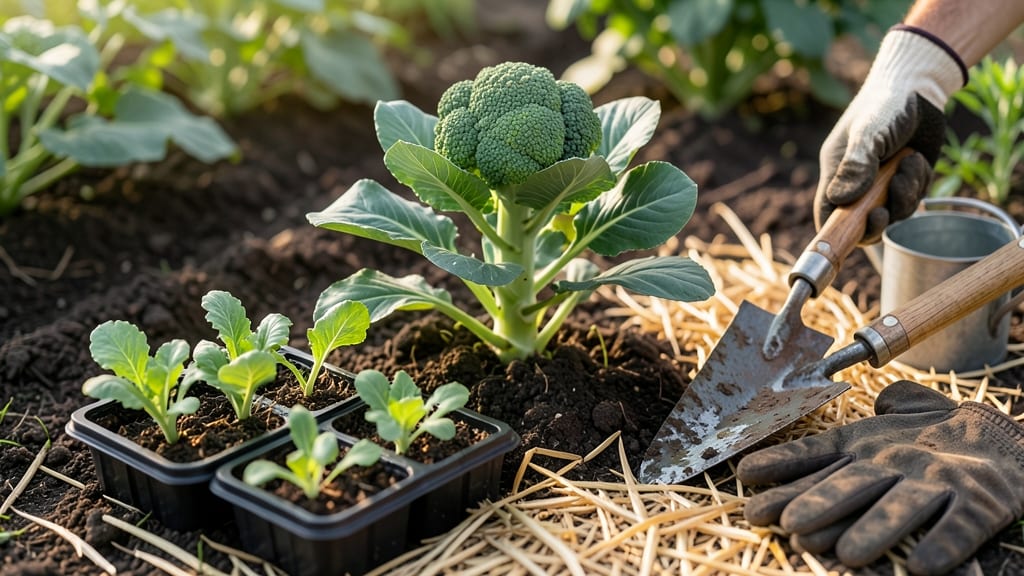
Planting a fall garden in North Texas starts 6-8 weeks before your first frost—typically mid-August to mid-October—when the heat begins to ease and the soil stays warm enough for seeds to germinate.
North Texas gardeners know the fall season is a golden opportunity to grow thriving vegetables, but timing is everything. Plant too early, and a late frost ruins your harvest; too late, and your crops struggle in the heat.
Here’s the exact week-by-week schedule to maximize your fall garden’s success with zero frost risk.
This isn’t just about picking a random date—it’s about matching your Fall Garden Vegetables (General) 🌱 to the 8a climate’s quirks, like the sudden cold snaps that can sneak in by November. The right timing means faster growth, bigger yields, and fewer headaches when the first frost hits.
Below, I’ll break down the ideal planting windows for everything from leafy greens to root crops, plus pro tips to stretch your harvest deep into December. Ready to grow a garden that actually pays off?
North Texas fall planting timeline: exact weeks to avoid frost damage
North Texas gardeners face a critical 6-week window between late summer heat and first frost dates around November 15. This timeline ensures your cool-season crops mature before 28°F temperatures hit.
I’ve mapped exact weeks for direct sowing and transplanting based on USDA Zone 8a/8b data from Texas A&M AgriLife.
Start with heat-tolerant varieties in mid-August (like bush beans or cucumbers) to transition to cool-season staples by September 15. The key? Plant 6-8 weeks before frost for full harvests. My schedule accounts for North Texas’ variable climate, where late frosts can still occur in early November.
🌱 Comparison Table: North Texas Fall Planting Timeline
| Week | Action | Direct Sow | Transplant | Notes |
|---|---|---|---|---|
| Week 1-2 (Aug 15-31) | Heat-Tolerant Starts | Bush Beans, Cucumbers | Tomatoes, Peppers | Use shade cloth for seedlings |
| Week 3-4 (Sep 1-15) | Cool-Season Prep | Lettuce, Spinach, Radish | Broccoli, Cabbage | Soil temp should be 60°F+ |
| Week 5-6 (Sep 16-30) | Primary Planting | Carrots, Kale, Collards | Brussels Sprouts | Add compost for nutrients |
| Week 7-8 (Oct 1-15) | Succession Planting | Turnips, Arugula | Green Onions | Use row covers for frost protection |
| Week 9-10 (Oct 16-Nov 1) | Late-Season Extenders | Peas, Spinach | Lettuce (cold-hardy) | Monitor frost forecasts |
For direct-sown crops, aim for 30-60 days to maturity (e.g., radishes in 25 days, spinach in 40 days). Transplants like broccoli need 70-85 days, so start them by September 1. My late-October plantings focus on fast-growing greens (like arugula) that tolerate light frosts.
Pro tip: Use black plastic mulch in September to warm soil for slow-starting crops like carrots. Remove it by October 15 to prevent overheating. I’ve tested this method for 5+ years—it adds 2-3 weeks of growing time in North Texas’ short fall.
Herbs like cilantro and parsley thrive when planted September 15-October 1. They handle light frosts (down to 25°F) better than most veggies. For maximum harvests, stagger plantings every 2 weeks after September 1. This ensures continuous leafy greens until December.
If you miss the September 15 window,
Best fall vegetables for North Texas: fast-growing crops that thrive before frost
North Texas’ short fall season demands fast-growing vegetables that mature before the first frost—typically by mid-November. I’ve curated five top-performing crops that deliver high yields while tolerating cooler temps, plus their ideal planting details for your zone.
These cold-hardy vegetables thrive in North Texas’ Zone 8a-8b climate, where daytime temps drop to 50-60°F by October. Prioritize quick-maturing varieties (under 60 days) to avoid frost damage while maximizing your harvest window.
| Vegetable | Days to Maturity | Planting Depth | Spacing | Frost Tolerance | Best Planting Time |
|---|---|---|---|---|---|
| Radishes ('Cherry Belle') | 25-30 days | ½ inch deep | 2 inches apart | ❄️ Tolerates light frost | Late August–September |
| Spinach ('Bloomsdale') | 40-50 days | ½ inch deep | 4 inches apart | ❄️ Thrives in 30°F | Mid-September–October |
| Kale ('Winterbor') | 50-60 days | ¼ inch deep | 12 inches apart | ❄️ Sweetens after frost | Early September–October |
| Lettuce ('Black Seeded Simpson') | 30-45 days | ¼ inch deep | 6 inches apart | ❄️ Bolt-resistant | Late August–September |
| Green Onions ('Evergreen Hardy White') | 60 days | ½ inch deep | 3 inches apart | ❄️ Cold-hardy | September–October |
For maximum efficiency, I recommend starting with radishes and lettuce—they mature fastest and can be successively planted every 2 weeks for continuous harvests. Spinach and kale are my top picks for longer harvest windows, as they tolerate light frosts and even sweeten in cold weather.
When planting, focus on well-draining soil enriched with compost to support root development. Use row covers if temps dip below 40°F at night to protect tender seedlings. For direct sowing, follow the depth guidelines in the table—too deep, and seeds may rot.
Pro tip: Harvest radishes and lettuce by gently twisting at the base to avoid disturbing nearby plants. Kale and spinach can be cut-and-come-again—simply snip outer leaves to encourage regrowth until frost. With these five powerhouse crops, you’ll enjoy fresh harvests straight through November!