
Plants
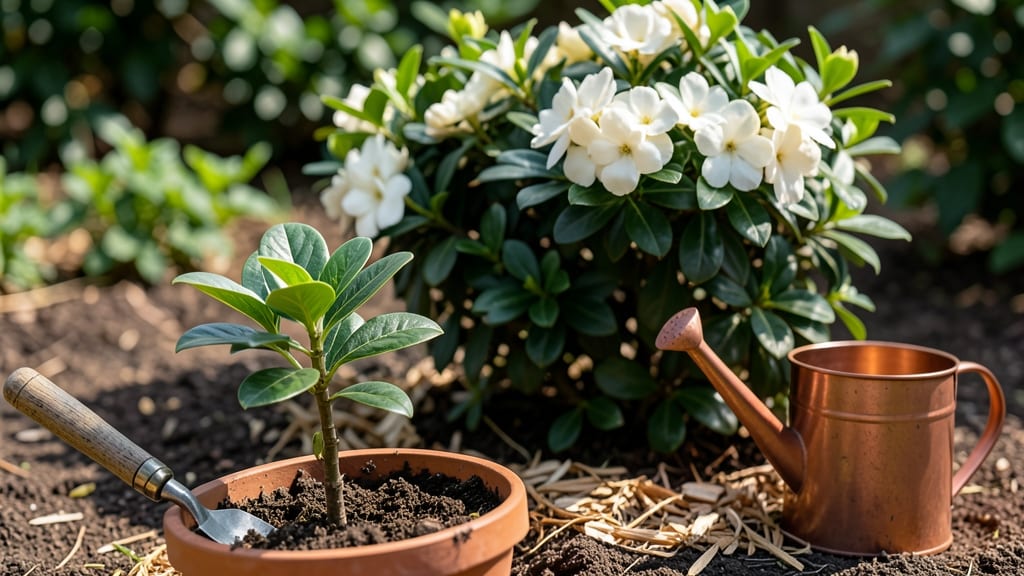
Planting gardenias in Georgia after the last frost — typically mid-March — gives these fragrant shrubs the best shot at thriving in your 7b-8b zone.
Georgia’s humid climate creates the perfect paradise for gardenias 🌸 — but timing your planting wrong could mean wilted dreams before the blooms even appear. Whether you’re in coastal Savannah or the Piedmont hills, getting the window right is the key to lush, fragrant growth.
Most gardeners swear by spring planting, but fall can work too if you act early. The trick is avoiding Georgia’s unpredictable late frosts and heat spikes, which can stress young roots before they take hold.
Below, I’ll break down the exact months to plant in your region, how to prep the soil for acid-loving gardenias, and whether containers or in-ground spots give you the edge for year-round blooms.
Best planting months for gardenias in Georgia’s climate zones
Georgia’s humid subtropical climate is ideal for gardenias, but planting timing makes all the difference. These fragrant shrubs thrive in USDA zones 7a-8b, but frost dates and soil temperatures vary across regions like Atlanta (7b) and Savannah (8a).
Plant too early, and frost will kill young roots; too late, and summer heat stresses new growth.
Most gardeners agree spring planting (March-April) is best for Georgia, but fall offers a secondary window. The key is waiting until soil temperatures reach 60°F (15°C)—a threshold that triggers root growth.
In zone 7a (north Georgia), this typically aligns with mid-April, while zone 8b (coastal areas) can start as early as late February.
Here’s your Georgia-specific planting timeline, broken down by zone and season:
| USDA Zone | Best Planting Window | Soil Temp Threshold | Frost Risk | Root Establishment Time |
|---|---|---|---|---|
| 7a (North GA) | Late April–Early May | 60°F (15°C) | High (last frost: April 15) | 6–8 weeks |
| 7b (Atlanta) | March 15–April 15 | 60°F (15°C) | Moderate (last frost: March 20) | 5–7 weeks |
| 8a (Central GA) | February 20–March 30 | 55°F (13°C) | Low (last frost: Feb 10) | 4–6 weeks |
| 8b (Savannah) | Late January–Early April | 50°F (10°C) | Minimal (last frost: Jan 15) | 3–5 weeks |
| Fall Option (All Zones) | September–October | 65°F (18°C) | None (before first frost) | 4–6 weeks |
For spring planting, aim to get gardenias in the ground 4–6 weeks before summer’s peak heat. In zone 7a, this means late April—any earlier risks frost damage to tender new shoots.
Use mulch (3–4 inches) to regulate soil temperature and retain moisture, which is critical during Georgia’s hot, dry summers.
Fall planting is less common but works if you plant 6–8 weeks before first frost (typically September–October). This gives roots time to establish before winter dormancy. However, avoid planting in late fall—young plants won’t have enough time to harden off before cold snaps hit.
Pro tip: Test your soil’s pH before planting—gardenias crave acidic soil (5.0–6.0). Georgia’s native soil is often alkaline, so amend with sulfur or peat moss if needed. Pair this with well-draining soil to prevent root rot, a common issue in Georgia’s clay-heavy soils.
If you’re in zone 8b (coastal Georgia), you can push the envelope and plant as early as late January. The warmer microclimate near Savannah and Brunswick allows for earlier soil warming. Just monitor nighttime temperatures—gardenias can’t handle below 28°F (-2°C).
For container gardening, timing shifts slightly. Potted gardenias can handle earlier spring planting (February) because containers warm up faster than in-ground soil. However, move pots to protected spots if frost is forecasted. In summer, keep containers in partial shade to prevent wilting.
Remember: Root establishment is everything. A well-rooted gardenia will bloom more reliably and handle Georgia’s humidity and heat with ease. With the right timing, you’ll enjoy
How to time gardenia planting for maximum blooms in Georgia’s heat
Once you’ve chosen your ideal planting window in Georgia, the real challenge begins: protecting your gardenias from the state’s oppressive summer heat and humidity. These tropical beauties love warmth but can quickly succumb to stress if not given proper care during their establishment phase.
Georgia’s 90°F+ temperatures and high humidity create the perfect storm for fungal diseases and root burn. The key is to prepare your soil, water strategically, and provide shade during the hottest afternoons.
I’ve planted gardenias in both North Georgia’s Piedmont and Savannah’s coastal zone, and these techniques have saved mine from wilting every summer.
Here’s my battle-tested approach to timing your gardenia planting for maximum blooms despite Georgia’s brutal heatwaves. The secret lies in transplanting techniques that minimize shock, mulching methods that retain moisture, and pruning strategies that encourage airflow.
⚠️ CRITICAL WARNING: Georgia’s Heat Zones
North Georgia (Athens, GA) sees 100°F+ heatwaves by June, while Savannah’s coastal zone battles 95% humidity year-round. Both conditions stress gardenias differently—plant too early in coastal areas, and you risk root rot; plant too late inland, and you face heat shock.
The sweet spot is March 15-April 15 for most of Georgia, but adjust 1-2 weeks earlier in coastal zones (Zone 8b) and 1-2 weeks later in higher Piedmont elevations (Zone 7b). Always check your local frost dates—late frosts in April can still damage tender new growth.
Start by hardening off your gardenia plants for 7-10 days before transplanting. If you’re buying container-grown plants, look for ones with closed buds—this means they’re already acclimated to heat.
For bare-root plants, soak the roots in water mixed with mycorrhizal fungi for 1 hour before planting to boost root establishment.
When transplanting, dig a hole twice as wide as the root ball but only as deep as the container. This encourages roots to spread horizontally rather than sinking too deep, which improves stability during summer storms.
Mix peat moss or pine bark into the backfill soil to maintain that acidic pH (5.0-6.0) gardenias crave.
After planting, apply a 3-4 inch layer of mulch around the base (but not touching the trunk) using pine straw or wood chips. This mulch acts like a thermal blanket, keeping roots 5-10°F cooler during heatwaves.
Replenish it every 6 months—organic mulch breaks down quickly in Georgia’s heat.
Watering is where most gardeners go wrong. Deep soak your gardenias every 2-3 days in summer, but only in the early morning. Avoid wetting the leaves to prevent powdery mildew, a common fungal issue in Georgia’s humidity.
Use a soaker hose or drip irrigation to deliver water directly to the roots while keeping foliage dry.
Finally, don’t forget pruning for airflow. In late summer, trim back any overly dense growth to improve circulation—this reduces humidity buildup in the plant and cuts down on fungal risks. Just avoid heavy pruning after June 1st, as new growth won’t harden off before winter.