Plants
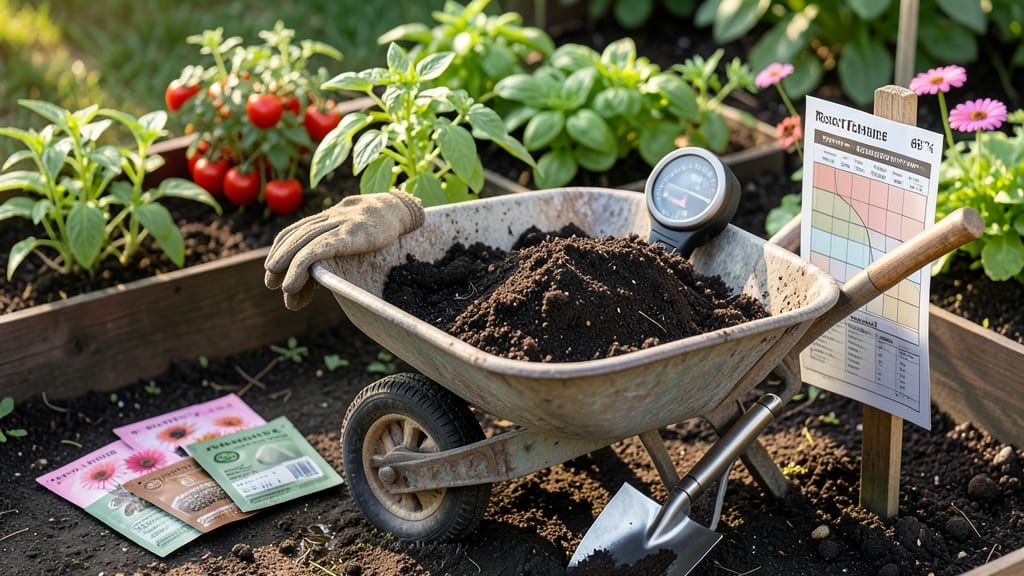
Planting your garden plants at the right time is the secret to thriving harvests and fewer headaches — and the window opens sooner than you think.
Missed the mark last year? You’re not alone. Too early, and frost zaps seedlings before they sprout. Too late, and summer heat arrives before your tomatoes even set fruit.
In Zone 6a, where I garden, the magic happens between March and May, but the exact dates depend on whether you’re planting cool-loving greens or heat-hungry peppers.
Here’s the game-changer: soil temperature matters more than calendar dates. A simple thermometer tells you when to plant warm-season crops (wait for 60°F+) or cool-season stars (they’re fine at 40°F+).
I’ll break down the ideal timing for your region, plus how to stretch the season if you’re a late starter.
Ready to avoid the common mistakes? You’ll learn exactly when to plant everything from lettuce to lavender, plus how to adjust for your local microclimate—because your neighbor’s schedule might not be yours.
USDA planting Zones: when to plant based on your climate region
Getting your planting timing right is the foundation of a thriving garden. The USDA Plant Hardiness Zones (3-11) help determine when to plant based on your average last frost date and first frost date.
But knowing your zone isn't enough—you must also understand whether your plants are cool-season or warm-season crops. Cool-season plants like spinach and kale thrive in cooler temperatures, while warm-season crops such as tomatoes and peppers need heat to grow. Let's break down the best planting windows for each zone.
Your frost-free days are the most critical factor. In Zone 3, you might have only 90-120 frost-free days, while Zone 11 enjoys nearly year-round growing conditions.
This means gardeners in Zone 3 must focus on fast-maturing varieties and early spring plantings, while Zone 11 gardeners can plant in fall, winter, and spring.
Always check your local last frost date and first frost date, as these can vary by 5-10 days even within the same zone.
| Zone | Last Frost Date | First Frost Date | Cool-Season Planting | Warm-Season Planting | Microclimate Tip |
|---|---|---|---|---|---|
| 3-4 | Mid-May to Early June | Mid-September to Early October | Early April to Early May | Mid-June to Early July | Use row covers for early starts |
| 5-6 | Mid-April to Early May | Mid-October to Early November | Early March to Mid-April | Mid-May to Early June | Plant near south-facing walls |
| 7-8 | Mid-March to Early April | Mid-November to Early December | Late January to Early March | Late March to Early April | Extend season with cold frames |
| 9-10 | Late January to Early February | Mid-December to Early January | Late August to Early October | Early February to Mid-March | Plant winter greens for spring harvest |
| 11 | None (Year-round) | None (Year-round) | Year-round (choose heat-tolerant varieties) | Year-round (choose fast-maturing varieties) | Use shade cloth in peak summer |
In Zones 3-4, where winters are long and harsh, focus on early spring planting for cool-season crops like lettuce and peas. These can handle light frosts and even thrive in cooler temperatures.
For warm-season crops, wait until the soil reaches 60°F and the danger of frost has passed—typically mid-June. Use row covers or cold frames to extend your growing season and protect tender seedlings.
Gardeners in Zones 5-6 enjoy a longer growing season, with 120-180 frost-free days. This means you can plant cool-season crops as early as March and still have time for a fall planting of broccoli or
Moon planting calendar: best days to plant by lunar cycle
Did you know the moon’s phases can boost your garden’s success? Lunar planting aligns with nature’s rhythms to maximize growth. Root crops thrive during the full moon, while leafy greens prefer the waxing moon.
Understanding these cycles helps you time plantings for healthier harvests. Let’s break down the best days for each plant type based on the lunar schedule.
For root vegetables like carrots, potatoes, and beets, aim for planting during the full moon or waning moon.
These phases pull moisture deep into the soil, encouraging strong root development. Leafy greens, including lettuce, spinach, and kale, grow best during the waxing moon, when energy flows upward into the leaves.
Meanwhile, flowering plants like tomatoes, peppers, and marigolds benefit from the new moon or waxing moon.
Here’s your 30-day lunar planting guide, tailored to optimize growth for different plant types:
- 🌱 New Moon (Day 1): Plant seeds and transplants for above-ground growth (e.g., lettuce, herbs, flowers). Energy is directed upward.
- 🌿 Waxing Moon (Days 2-14): Ideal for leafy greens and stem plants (e.g., beans, peas, cucumbers). Growth is vigorous during this phase.
- 🌳 Full Moon (Day 15): Perfect for root crops (e.g., carrots, potatoes, onions). The moon’s gravity pulls moisture deeper into the soil.
- 🌻 Waning Moon (Days 16-28): Best for harvesting root crops and pruning. Energy shifts back toward the roots, making it ideal for underground growth.
- 🌷 Last Quarter (Day 29-30): Avoid planting new seeds. Focus on weeding, composting, and soil prep for the next cycle.
Let’s say you’re planting a tomato garden in May. Start seeds during the waxing moon (Days 2-14) for strong stem and leaf growth. Once seedlings are established, transplant them during the full moon (Day 15) to encourage robust root development.
For carrots, wait until the waning moon (Days 16-28) to ensure they grow straight and deep.
Pro tip: Pair lunar planting with your USDA zone for even better results. For example, in Zone 6a, align your spring planting with the waxing moon in April for cool-season crops like broccoli and cabbage.
In warmer zones like Zone 9a, use the full moon in September to plant garlic and onions for a fall harvest.
Experiment with lunar planting this season and track your progress. You might be surprised by the difference in growth and yield! Start small with a few rows, and let nature’s cycles guide your gardening success. 🌱