
Watering
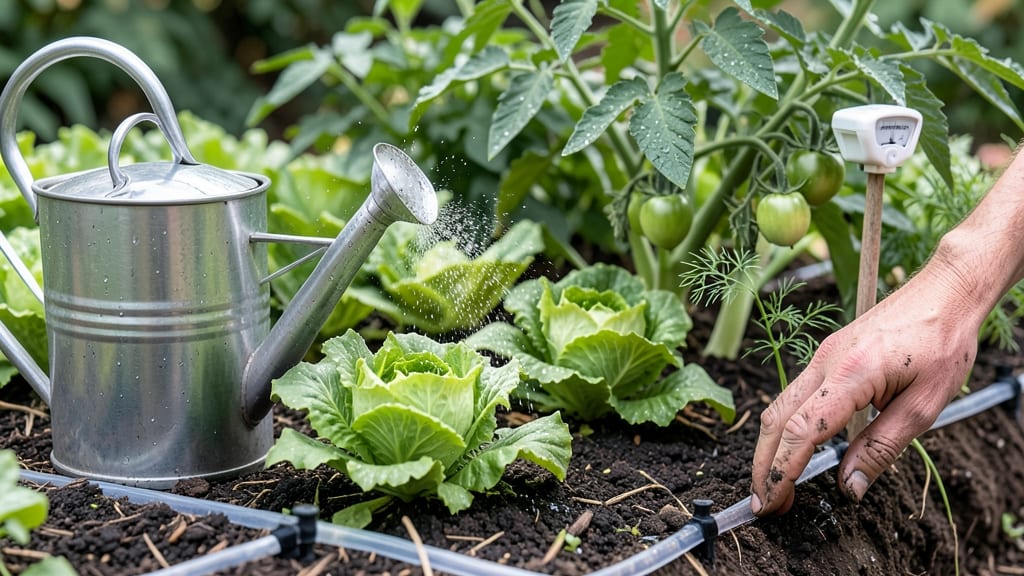
Watering your vegetable garden the right amount keeps 🥬 thriving without wasting a drop—here’s how to get it perfect every time.
Most gardeners guess at watering, then wonder why their tomatoes split or lettuce bolts. The truth? Too much or too little throws off your whole harvest. But with the right schedule, you’ll avoid soggy soil and parched roots while saving time and water.
Soil type is the biggest factor—clay holds moisture for days, while sandy soil dries out in hours. Then there’s weather, plant growth stages, and even mulch thickness. I’ll break down exactly how deep and how often to water for each, plus how to spot when you’re over- or underdoing it.
By the end, you’ll have a foolproof system that works for your garden’s unique conditions—no more guesswork, just perfectly happy plants.
Watering requirements by soil type: how deep and how often
Your vegetable garden's soil type determines how much water to give and how often. Clay soil holds moisture like a sponge, while sandy soil drains faster than water through fingers. Loamy soil, the gardener's gold, balances both perfectly.
Understanding these differences prevents root rot or thirsty plants. The key? Watering deeply but infrequently—especially for vegetables with deep roots like tomatoes or carrots.
Let's break down the watering needs by soil type so you can tailor your schedule. Most vegetables need 1-2 inches of water per week, but the method varies. For example, sandy soil may need daily watering in summer, while clay soil might only require water every 5-7 days.
Always check soil moisture 2 inches below the surface—that’s where roots actively grow.
Soil type isn’t the only factor—season and plant stage matter too. Seedlings need frequent, shallow watering, while mature plants benefit from deep soaks. Below is a quick reference to guide your watering routine based on soil type, including how deep to water and how often.
| Soil Type | Watering Depth | Frequency (Summer) | Frequency (Spring/Fall) | Key Tip |
|---|---|---|---|---|
| Clay | 6-8 inches deep | Every 5-7 days | Every 7-10 days | Water slowly to avoid runoff. |
| Sandy | 4-6 inches deep | Every 1-2 days | Every 3-5 days | Use mulch to retain moisture. |
| Loamy | 5-7 inches deep | Every 3-5 days | Every 5-7 days | Ideal for most vegetables. |
| Silt | 5-6 inches deep | Every 4-6 days | Every 6-8 days | Drainage improves with organic matter. |
For clay soil, water deeply but less often to prevent waterlogging. This soil type can suffocate roots if overwatered, leading to root rot or yellowing leaves. Use a moisture meter or stick your finger 2 inches deep—if it feels damp, wait before watering again.
Clay soil’s compacted nature means water pools on the surface, so slow, deep watering is essential.
Sandy soil drains so quickly that it feels like pouring water into a sieve. To combat this, water frequently but shallowly during hot weather. Add 2-3 inches of mulch (straw or wood chips) to slow evaporation and keep roots cool. Sandy soil also leaches nutrients fast, so pair watering with compost tea or balanced fertilizer every 2-3 weeks.
Loamy soil is the dream for vegetable gardens—it retains moisture without drowning roots and drains well enough to prevent rot. Water deeply every 3-5 days in summer, adjusting for rain. Loamy soil’s ideal texture means you can rely on drip irrigation or soaker hoses for consistent moisture without overdoing it. This soil type is forgiving but still benefits from mulching to conserve water.
If your garden has silt soil, it’s a mix of clay and sand, retaining moisture longer than sandy soil but not as much as clay. Water every 4-6 days in summer, checking soil moisture at 5 inches deep.
Silt soil is highly fertile but can compact easily, so avoid walking on it when wet. Amend with compost or peat moss to improve structure and drainage.
Regardless of soil type, always water in the early morning (before 10 AM) to reduce evaporation and fungal diseases like powdery mildew. Avoid evening watering, as wet foliage overnight invites pests.
Use a rain gauge to track weekly rainfall and adjust your schedule—most vegetables need 1-1.5 inches of water per week, including rain.
Pro tip: Group plants with similar water needs together. Leafy greens like lettuce and spinach prefer consistent moisture, while root vegetables like carrots and beets tolerate slightly drier conditions. Adjust your watering zones accordingly to simplify maintenance. For example, place tomatoes and peppers
Signs your vegetable garden needs more (or less) water
Your vegetable garden sends clear signals when it's thirsty or drowning in too much water. Wilting leaves or dry soil at the surface usually mean your plants need more hydration, while yellowing leaves or mushy stems are red flags for overwatering.
Learning to read these cues helps you adjust your schedule before problems escalate.
I’ve made the mistake of ignoring these signs—once, my tomatoes wilted by noon, and another time, my lettuce developed mold from sitting in soggy soil. Both times, I lost a portion of my harvest. The good news? Once you recognize these symptoms, fixing the issue is straightforward.
Watering Your Vegetable Garden: Pros & Cons
✅ Signs of Underwatering
- Dry soil (top 1-2 inches)
- Wilting leaves (even in morning)
- Crispy leaf edges
- Slow growth
Solution: Water deeply 1-2 inches per week, adjusting for heat.
❌ Signs of Overwatering
- Yellowing leaves (lower first)
- Mushy stems or roots
- Fungal growth (mold, mildew)
- Pests (slugs, fungus gnats)
Solution: Let soil dry slightly between waterings; improve drainage.
Pro Tip: Stick your finger 1 inch into soil—if dry, water! If soggy, wait.
For underwatered plants, focus on deep watering rather than frequent shallow sessions. Aim for 1-2 inches of water per week, delivered slowly to encourage root growth. In my garden, I use a soaker hose set to the base of plants to avoid wetting leaves, which reduces disease risk.
When overwatering strikes, the first step is to stop watering immediately and let the soil dry out. If your plants are already struggling, gently loosen the soil around roots to improve airflow.
I’ve found that adding a 2-inch layer of mulch helps retain moisture without suffocating roots—just avoid piling it against stems.
Adjusting your schedule based on these signs saves time and effort. For example, during hot summer weeks, I water my peppers and cucumbers every other morning, while my leafy greens get water twice a week.
Paying attention to these cues has cut my water waste by nearly 50% and kept my harvest thriving.
Remember, every plant and soil type is different. What works for my sandy soil in Zone 6 might not suit your clay-heavy garden. Experiment, observe, and trust your plants—they’ll tell you what they need if you listen closely. 🌱