
Picking
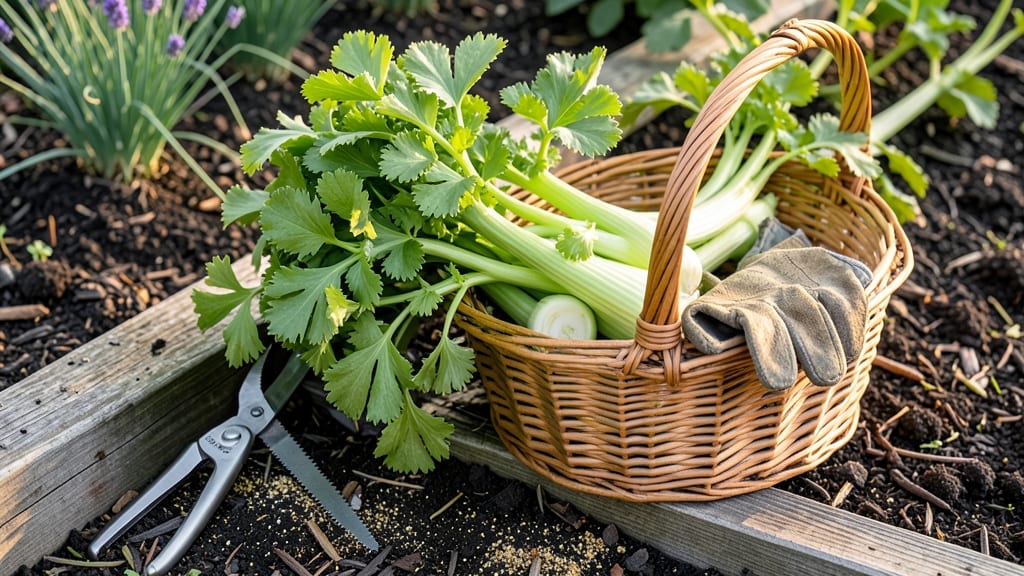
Harvesting garden celery at the right time means the difference between crisp, flavorful stalks and tough, bitter disappointment.
Picture this: you’ve nurtured your 🥬 plants all season, keeping the soil moist and the leaves vibrant, only to pull a stalk that snaps like a dry twig. That’s the frustration of harvesting too late—or too early.
The key is knowing when those stalks hit peak tenderness, and it’s all about timing, thickness, and a few simple tricks to keep them fresh.
Most gardeners in Zone 6a should aim for late June to early July when planting in spring, or October if you started in late summer. But don’t just go by the calendar—check for stalks that are at least 1 inch thick at the base and a tight, solid head.
Thin, woody stems mean you waited too long, while pale leaves signal it’s not ready yet.
In this guide, I’ll walk you through the exact signs to look for, the best way to cut without damaging the plant, and how to store your harvest so it stays crisp for weeks. No more guesswork—just restaurant-quality celery straight from your garden.

Optimal harvest time for garden celery: signs it's ready to pick
Knowing when to harvest garden celery can transform your crop from bland to brilliant. Unlike many vegetables, celery doesn't ripen after picking—so timing is everything. The ideal harvest window occurs when stalks reach 8-12 inches tall with a 1-inch diameter at the base.
This balance ensures maximum crispness and sweetness before the plant becomes woody or bitter.
Celery thrives in cool-season climates, making spring and fall harvests ideal in most USDA zones. In Zone 6a, expect harvests between June-July for spring plantings or October-November for late summer starts.
However, regional frost dates dictate your exact timeline—always account for your last frost (typically April 15 in Zone 6a) when planning.
Here’s the critical visual guide to celery readiness—don’t miss these key indicators:
Common mistakes like harvesting too early (thin, pale stalks) or too late (woody texture) ruin flavor. I’ve seen gardeners pull celery at 100 days only to find it bland—wait for 120 days for peak sweetness. If your stalks exceed 160 days, they’ll become fibrous and tough, even if leaves look healthy.
Climate plays a huge role in timing. In hotter zones (7+), celery bolts faster—harvest 2-3 weeks early to avoid bitterness. Conversely, in cooler northern regions, extend the season by using row covers to protect plants until first frost (October 15 in Zone 6a)**.
Always prioritize consistent moisture; drought stress accelerates bolting and reduces quality.
For bunch celery varieties (like 'Utah' or 'Golden Self-Blanching'), focus on outer stalks first. These varieties self-blanch, meaning newer growth stays tender. Cut stalks at a 45-degree angle with a sharp knife, leaving the inner core intact to encourage regrowth.
This method lets you harvest multiple times per season from the same plant.
If your celery leaves start yellowing or curling, it’s a red flag—this often signals over-maturity or pest stress. Check for aphids or celery leaf tier (a common caterpillar).
While you can still harvest, the stalks may taste bitter. Preventative sprays of neem oil or companion planting with dill or onions can deter pests before they strike.
Pro tip: Harvest on a cool morning after dew has dried but before the sun peaks. This preserves crispness and moisture. Store harvested celery in the fridge with a damp paper towel to maintain freshness for up to 2 weeks.
For long-term storage, blanch and freeze—though texture softens slightly.
Remember, celery is slow-growing but worth the wait. Patience pays off with sweet, crisp stalks that rival store-bought—if you time it right. Next time you’re tempted to rush, check the stalks: if they’re thick, green, and firm, it’s harvest day! 🥬
Step-by-step celery harvesting technique for maximum freshness
Harvesting celery at the right time ensures crisp, flavorful stalks that stay fresh longer. The key is gentle handling and precise cutting techniques to preserve both the plant and your yield. Whether you're growing bunch celery or stalk varieties, follow these steps to avoid bitterness and damage.
Start by selecting mature stalks that are at least 1 inch in diameter at the base. Look for vibrant green leaves and tight, firm heads—these are signs your celery is ready. Avoid harvesting when stalks feel hollow or woody, as this indicates overmaturity and poor flavor.
How to Harvest Celery Like a Pro
- Step 1: Choose the Right Tools Use a sharp chef's knife or pruning shears for clean cuts. Avoid dull tools that crush stalks.
- Step 2: Cut at the Base Hold the stalk firmly and cut 1-2 inches above the soil line at a 45-degree angle to maximize regrowth.
- Step 3: Handle with Care Grip stalks by their leaves, not the stems, to prevent bruising. Avoid twisting or pulling.
- Step 4: Rinse Immediately Plunge harvested celery into cool water for 10-15 minutes to remove dirt and revive crispness.
- Step 5: Store Properly Wrap stalks in a damp paper towel and place in a sealed plastic bag in the fridge for up to 2 weeks.
For bunch celery varieties, harvest the outer stalks first to encourage the center to mature. This method extends your harvest window by 2-3 weeks and prevents overcrowding. Always leave at least 3-4 stalks in the center to support regrowth.
After harvesting, water the base of the plant immediately to reduce stress. If your celery is in full sun, provide afternoon shade for 1-2 days to help it recover. With proper care, your celery plant may produce secondary harvests in 3-4 weeks.
Never harvest celery when the soil is dry or waterlogged, as this stresses the plant and reduces flavor. Aim for consistently moist soil throughout the growing season to maintain crispness. Store harvested celery in the crispest drawer of your fridge for optimal freshness.
By mastering these harvesting techniques, you'll enjoy restaurant-quality celery straight from your garden. The difference between woody, bitter stalks and crisp, sweet harvests comes down to timing and care—now you're ready to excel! 🥬✂️💧