
Advice
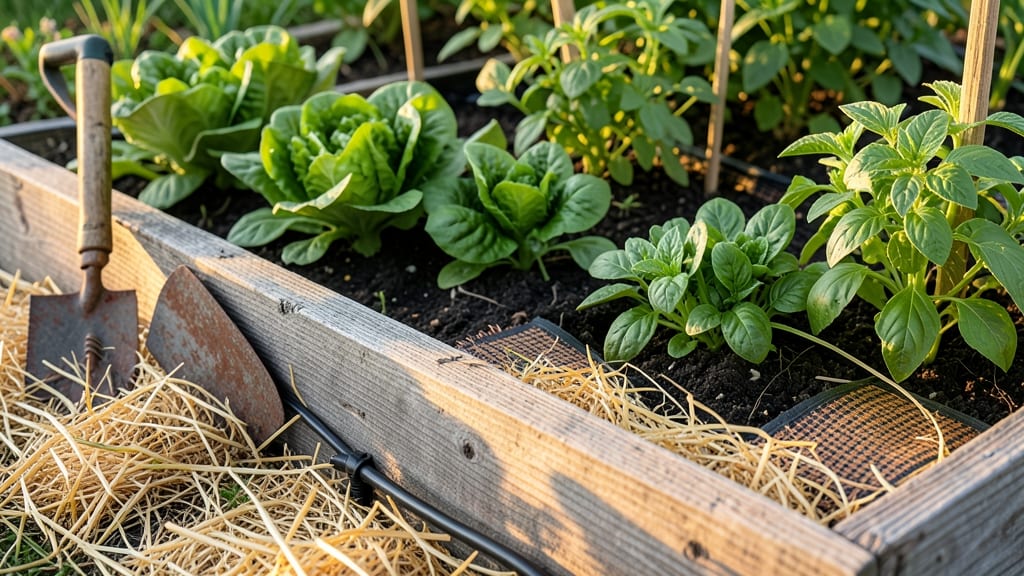
The best way to keep weeds out of your garden combines thick organic mulch, landscape fabric, and dense plant covers to block sunlight and suppress growth naturally.
The most effective weed control isn't about quick fixes—it's about creating an environment where weeds can't thrive.
Organic mulch like wood chips or straw blocks sunlight, while landscape fabric underneath prevents weed seeds from sprouting. 🌱 Dense ground covers such as clover or creeping thyme outcompete weeds for nutrients, and cover crops like winter rye smother them before they take root.
This layered approach works best when maintained consistently, especially in high-traffic garden areas.
Why does this work? Weeds need light and space to grow, so by cutting off both, you're essentially starving them out. Mulch also helps retain soil moisture, reducing the conditions weeds love. For pathways, consider gravel or rubber mulch—they're harder for weeds to penetrate while still allowing water drainage.
The key is persistence: even the toughest weeds can't survive when their growth is consistently disrupted.
💡 In This Article
- How Physical and Natural Barriers Stop Weeds
- Top Long-Term Weed Prevention Materials and Techniques
How physical and natural barriers stop weeds
Weeds thrive because they exploit gaps in your garden's defenses—specifically, sunlight, soil nutrients, and space. The core strategy behind physical barriers is light deprivation, which disrupts the germination and growth cycle of weed seeds.
Most weed seeds require sunlight to trigger germination, so blocking that light with a 3-4 inch layer of mulch effectively smothers them.
For example, hardwood mulch reduces light penetration by up to 90%, creating a hostile environment for weeds while still allowing moisture and air to reach your plants. 🌿
Landscape fabric adds another layer by creating a soil compaction barrier. When installed properly under mulch, it prevents weed seeds from making direct contact with fertile soil, where they’d otherwise germinate.
The fabric’s weave—typically 0.6-1.2 mm thick—blocks over 95% of light, while still allowing water and nutrients to pass through to your plants. This is why fabric works best in high-traffic areas or pathways where weeds are persistent.
Without this barrier, even thick mulch can fail if weed seeds are already embedded in the soil.
Natural barriers like dense ground covers take suppression a step further by outcompeting weeds for resources. Plants such as creeping thyme or clover spread aggressively, forming a living carpet that shades the soil and absorbs nutrients weeds would otherwise use.
Their shallow root systems also disrupt weed seed germination by altering soil chemistry and moisture levels. For instance, clover fixes nitrogen in the soil, enriching it for your desired plants while making it inhospitable for weeds like crabgrass, which prefer nutrient-poor conditions. 🌱
Cover crops like winter rye or buckwheat work similarly but with a seasonal twist. These plants grow rapidly, smothering weeds before they sprout, and their deep roots break up compacted soil, improving aeration.
When tilled back into the soil, they decompose into organic matter, further suppressing weeds by enhancing soil health. This method is especially effective in vegetable gardens, where weed competition can reduce yields by up to 30-40%.
The science behind these barriers isn’t just about blocking light—it’s about disrupting weed growth cycles. Weeds like dandelions and chickweed rely on consistent soil moisture and warmth to germinate. Mulch and ground covers regulate temperature fluctuations, keeping the soil cooler and more stable, which delays weed seed activation.
For example, a 2-inch layer of straw can reduce soil temperature swings by 10-15°F compared to bare soil, creating conditions that favor your plants over weeds. 🌡️
Even the texture of your barriers matters. Coarse mulches like pine bark or wood chips create a rough surface that makes it harder for weed seeds to lodge and germinate, while fine mulches like shredded leaves can compact over time, reducing their effectiveness.
The key is balance: use coarse mulch in sunny areas and fine mulch in shaded spots where weeds are less aggressive. This layered approach ensures no single method fails—if one barrier weakens, another takes over. 💪