
Container Gardens
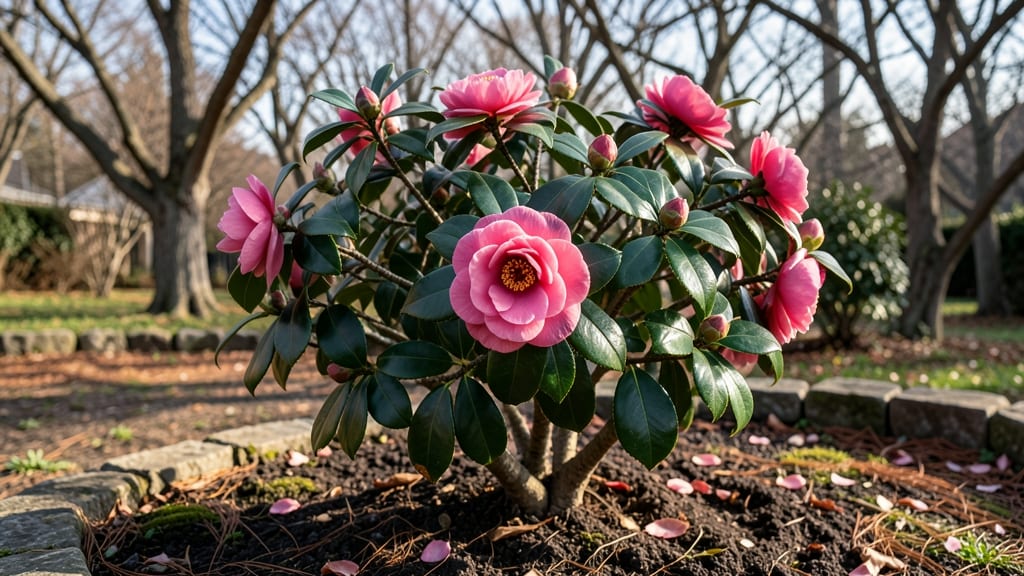
The botanical gardens in Gainesville offer stunning plant collections like the Kanapaha Botanical Gardens and Butterfly Rainforest, blending native Florida species with seasonal displays and hands-on exhibits designed for all ages. These green spaces provide year-round exploration through specialized gardens, conservation areas, and educational programs.
Gainesville's botanical gardens stand out for their commitment to both beauty and conservation, with each location offering unique experiences. 🌿 The Kanapaha Botanical Gardens focuses on Florida's native flora, showcasing how plants adapt to the region's climate—think drought-resistant palms and vibrant wildflowers that attract pollinators.
Meanwhile, the Butterfly Rainforest transforms into a living ecosystem during peak migration seasons, where visitors can observe hundreds of butterflies up close. These gardens also serve as outdoor classrooms, hosting workshops on sustainable gardening and native plant landscaping that benefit both wildlife and home gardeners.
Beyond the plants themselves, these spaces are designed with accessibility in mind. Many paths are wheelchair-friendly, and family-friendly features like scavenger hunts and guided tours make them perfect for school groups or weekend outings.
The seasonal rotations—from spring's azalea blooms to winter's orchid displays—ensure there's always something new to discover, making each visit feel fresh and exciting.
💡 In This Article
- Florida Native Plants and Ecosystems in Gainesville Gardens
- Best Times to Visit Gainesville Botanical Gardens by Season
Florida native plants and ecosystems in Gainesville gardens
Gainesville's botanical gardens serve as living laboratories for Florida's native ecosystems, where plants like the sabal palm and coontie palm demonstrate remarkable adaptations to the region's humid subtropical climate.
These species thrive with minimal irrigation thanks to deep root systems that tap into underground water sources, a survival strategy critical during Gainesville's dry summer months when rainfall averages just 4-5 inches per month.
The gardens also highlight pollinator-friendly plants such as the firebush (Hamelia patens), whose bright red flowers attract hummingbirds and butterflies year-round, supporting local biodiversity.
The wetland ecosystems featured in these gardens mimic natural Florida habitats, where plants like the sawgrass (Cladium jamaicense) and bladderwort (Utricularia spp.) thrive in waterlogged conditions.
These species play vital roles in water filtration and flood control, demonstrating how native plants stabilize ecosystems. 🌿 The Butterfly Rainforest specifically cultivates host plants like passionflower vine (Passiflora spp.) to sustain butterfly life cycles, creating a self-sustaining environment where visitors can observe metamorphosis firsthand.
What makes these gardens particularly valuable is their focus on conservation through education. Programs like the Native Plant Sale teach visitors how to incorporate drought-resistant species into home landscapes, reducing water usage by up to 50% compared to non-native alternatives.
The gardens also partner with local universities to study plant resilience, tracking how species respond to rising temperatures and changing rainfall patterns—critical data for Florida's future.
For those interested in hands-on learning, the Florida Native Plant Society workshops offer practical skills like identifying invasive species (such as Brazilian pepper) and propagating native plants from seed.
These sessions reveal how even small gardens can become wildlife corridors, supporting everything from gopher tortoises to endangered birds like the red-cockaded woodpecker. The tactile experience of touching smooth cordgrass or smelling wild ginger makes the science of ecology tangible and memorable.
One standout feature is the seasonal bloom rotations, where gardens shift from spring's azaleas (peak bloom in March) to summer's milkweed (essential for monarch butterflies) and fall's goldenrod.
This dynamic display illustrates how Florida's native plants have evolved to capitalize on different weather patterns, with some species flowering only after heavy summer rains to ensure pollinator availability.
The contrast between the evergreen live oak canopy and the deciduous beautyberry shrubs (which turn purple in fall) showcases the region's botanical diversity in action.
Visitors often overlook the soil science behind these gardens, where sandy, nutrient-poor soil forces plants to develop specialized root structures. For example, the slash pine (Pinus elliottii) grows mycorrhizal fungi on its roots to access phosphorus, a technique gardeners can mimic using organic compost.
This practical knowledge bridges the gap between conservation and everyday gardening, proving that native plants aren't just beautiful—they're smart survivors. 🌱