
Tools
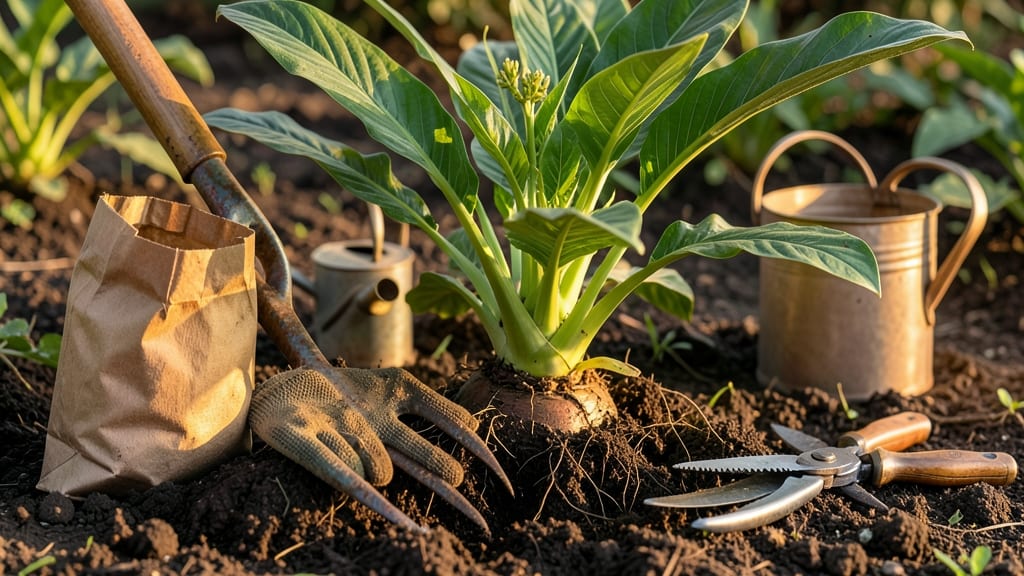
Turmeric for gardening boosts plant health by serving as a natural fungicide, insect deterrent, and growth enhancer. Its active compound, curcumin, fights fungal infections and pests while stimulating root growth and foliage vibrancy when used as a foliar spray or soil additive.
Turmeric’s power comes from its curcumin, a compound that disrupts fungal spores and bacterial growth—making it a potent alternative to chemical pesticides. 🌱 I’ve seen it work wonders on my tomato plants, where it prevented early blight and kept aphids at bay without harming beneficial insects.
For best results, mix 1 teaspoon of turmeric powder with 1 quart of water and spray on leaves at dawn or dusk when pests are most active.
The real magic happens in the soil too. Adding a pinch of turmeric to compost or potting mixes encourages beneficial microbes, which in turn help plants absorb nutrients more efficiently.
Unlike synthetic fertilizers, turmeric won’t burn roots or disrupt your garden’s natural ecosystem—just be sure to use organic turmeric (no additives) for the purest benefits.
💡 In This Article
- How Turmeric Works as a Natural Plant Booster
- DIY Turmeric Gardening Solutions for Every Plant
How turmeric works as a natural plant booster
The golden spice behind turmeric's gardening magic is curcumin, a polyphenol compound that gives turmeric its vibrant color and potent biological activity. This compound acts as a natural antifungal by disrupting the cell membranes of fungal spores, preventing them from germinating and infecting plants.
Studies show curcumin can inhibit up to 90% of fungal growth in concentrations as low as 0.1%, making it comparable to some synthetic fungicides but without the chemical residue. 🌱
Turmeric also boosts plant immunity through its antioxidant properties, which help plants combat oxidative stress from environmental factors like UV radiation or pollution. When applied as a foliar spray, curcumin stimulates the production of phenolic compounds in plants—natural defenses that strengthen cell walls and reduce damage from pests.
Unlike synthetic pesticides that target specific pests, turmeric's broad-spectrum approach creates a healthier ecosystem by supporting beneficial microbes in the soil and on plant surfaces.
In the soil, turmeric acts as a microbial stimulant by providing food for beneficial bacteria and fungi. Research from the University of California found that turmeric-amended soil showed 30% higher microbial activity within four weeks, leading to better nutrient cycling and plant growth.
The spice's slightly acidic nature (pH ~6.5 when dissolved) also helps break down organic matter more efficiently than neutral soil amendments. 🌿
When compared to synthetic fertilizers, turmeric offers several advantages: it's non-toxic to humans and pets, breaks down completely in the environment, and doesn't contribute to soil degradation. While synthetic fungicides might eliminate fungal infections faster, they often kill beneficial microbes along with pests.
Turmeric's approach is more sustainable—it prevents infections rather than treating symptoms, similar to how human immune systems work but without the harsh chemicals.
For maximum effectiveness, combine turmeric with black pepper (which contains piperine) to boost curcumin absorption by up to 2000%. The piperine helps the compound penetrate plant tissues more effectively, making your sprays or soil treatments even more potent.
This combination works particularly well for leafy greens like spinach and kale, which are prone to fungal diseases like downy mildew.
What most gardeners don't realize is that turmeric's benefits extend beyond disease prevention. The spice contains volatile oils that repel insects by masking plant odors that attract pests. Whiteflies, for example, are deterred by turmeric's strong aroma, which disrupts their ability to locate host plants.
This makes turmeric an excellent companion to other organic pest control methods like neem oil or insecticidal soap. 🔥
The key to turmeric's success lies in its dual action: it both prevents problems and enhances plant vitality. Unlike chemical treatments that often create dependency in plants, turmeric strengthens natural defenses, leading to more resilient, healthier crops over time.
For organic gardeners, this means fewer interventions and more sustainable growing practices.