
Pests
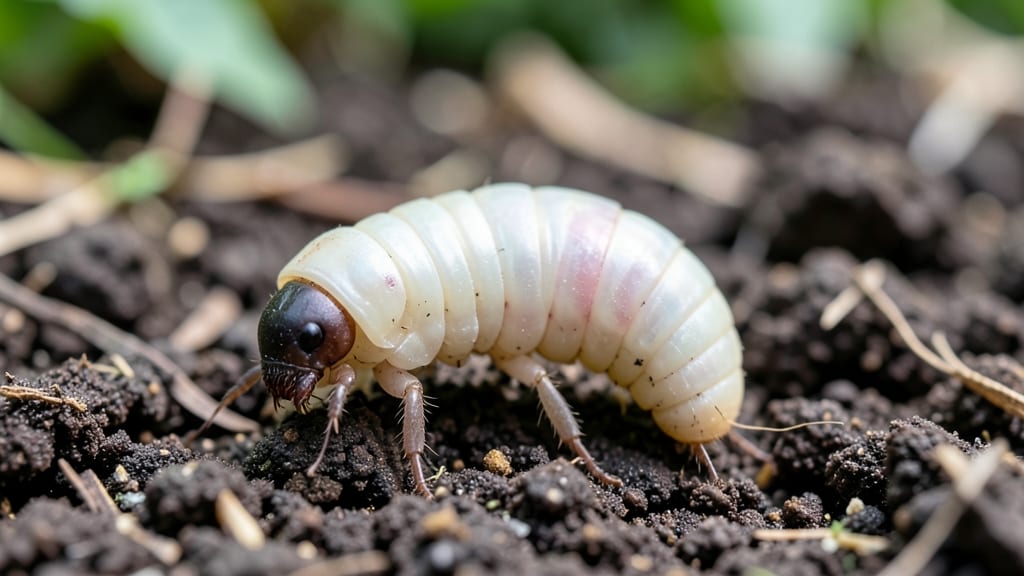
Grub worms are bad for your garden because they devour grass roots and plant stems, leading to stunted growth, yellowing foliage, and dead patches. Japanese beetle grubs and European chafer grubs are particularly destructive, requiring proactive control to save your lawn and vegetable beds.
These destructive larvae target the most vulnerable parts of plants—the roots—where they chew through essential nutrients, starving your garden from the ground up. 🌱 Japanese beetle grubs, for example, can strip a lawn of its root system in just a few weeks, leaving brown, spongy patches that won't recover without intervention.
European chafer grubs are equally aggressive, often targeting both ornamental plants and crops, making them a year-round threat in many regions. The damage isn't just cosmetic; it weakens plants' ability to absorb water and nutrients, leading to irreversible decline if left unchecked.
What makes this problem worse is their life cycle—grubs spend the majority of their time underground, making them difficult to spot until the damage is already done.
Most homeowners only realize they have an infestation when they notice irregular brown spots in their lawn or wilting plants that refuse to respond to watering. By then, the grubs have already done significant harm, requiring immediate action to prevent further destruction.
💡 In This Article
- How Grub Worms Damage Garden Plants and Lawns
- Natural and Chemical Grub Worm Control Methods
How grub worms damage garden plants and lawns
The real threat of grub worms lies in their relentless underground feeding habits. Japanese beetle grubs, for instance, chew through grass roots with a voracity that can devour up to 0.5 grams of roots per grub per day during peak season.
This translates to visible damage within just 2-3 weeks—imagine an entire lawn's root system being systematically dismantled from below. The damage isn't uniform; grubs create irregular patterns, leaving behind brown patches that feel spongy when stepped on, a clear sign the roots have been severed.
European chafer grubs take a slightly different approach but with equally devastating results. These pests target both grass roots and the stems of garden plants, creating a two-pronged attack that weakens both lawns and vegetable beds.
The key difference is their feeding depth—European chafer grubs burrow 2-4 inches deep, while Japanese beetle grubs stay closer to the surface (1-2 inches).
This deeper penetration makes them particularly dangerous to root crops like carrots and potatoes, where they can completely destroy the edible portions before homeowners even notice the problem.
The life cycle of these grubs amplifies the damage potential. Most species overwinter as pupae in the soil, emerging in spring to feed for 10-12 months before pupating again. This means a single infestation can persist for multiple growing seasons if left unchecked.
The timing is crucial too—grubs are most active during warm months (60-85°F), which coincides with peak garden growth periods, creating a perfect storm of destruction when plants are most vulnerable.
Geographic factors play a surprising role in the severity of infestations. Japanese beetle grubs thrive in the eastern and central United States, while European chafer grubs dominate the northeastern region. Coastal areas often see worse infestations due to the beetles' preference for moist, well-drained soils.
The damage becomes particularly noticeable during droughts, when plants already stressed by water shortages can't compensate for root loss. This is why gardeners in these regions often report 30-50% lawn loss during severe infestation years.
What most people don't realize is how quickly the damage accumulates. A single square foot of lawn can support 10-20 grubs during peak season, and each one can consume enough roots to create a 6-inch diameter dead spot in just 4-6 weeks.
The visual symptoms—yellowing grass, easy removal of turf, and increased weed growth—are often mistaken for drought stress or poor soil quality, delaying necessary treatment. By the time homeowners recognize the pattern of irregular brown patches, the grubs have already moved deeper into the soil, making eradication more difficult.
The economic impact can't be overstated either. Professional lawn treatments to control grub worms can cost $0.15-$0.30 per square foot, and severe infestations may require multiple applications.
For gardeners, the loss of vegetable crops can mean wasted season investments, while ornamental plants may never fully recover from the root damage. The key to prevention lies in understanding these feeding patterns and acting before the grubs reach their most destructive growth stages.