
Advice
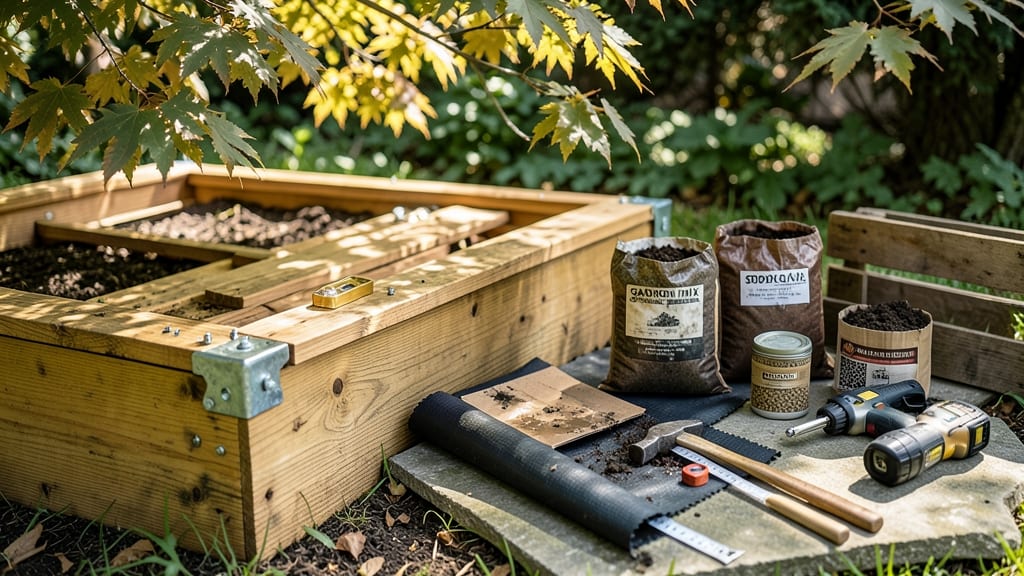
The cost to make a raised garden bed ranges from $100 to $500, with a standard 4’x8’ frame averaging $150–$300 for materials like cedar or composite lumber. Hardware, soil quality, and regional lumber prices all impact the final price.
The price swings widely based on what you choose. A 4’x8’ cedar frame will cost more upfront but lasts 10–15 years, while pressure-treated wood cuts costs by 30% but may need replacement sooner.
Don't forget soil—quality topsoil can add $50–$150 depending on whether you mix in compost. 💫 I’ve found that pre-cut kits save time and reduce waste, especially for beginners, while DIY builds let you customize dimensions to match your space and budget.
For example, using salvaged wood or cinder blocks can slash costs by 40%, though durability may suffer. Always factor in tools like a drill and level—renting them for a day might cost less than buying.
The key is balancing upfront savings with long-term performance to keep your garden thriving without breaking the bank.
💡 In This Article
- Raised Garden Bed Cost Factors by Material Type
- Budget-Friendly Raised Garden Bed Construction Tips
Raised garden bed cost factors by material type
Material choice drives 60-70% of your total cost, with cedar being the premium option at $10–$15 per board foot for its natural rot resistance and aromatic qualities. A standard 4’x8’ cedar frame requires about 12–15 board feet, bringing the lumber cost to $120–$225.
Pressure-treated wood drops the price to $3–$5 per board foot, making the same frame $36–$75—but it contains chemicals like ACQ that may leach over time, potentially affecting soil quality for vegetable gardens.
Composite lumber offers a middle ground with $8–$12 per board foot and no chemical treatments, though it costs nearly double cedar. The trade-off? It won’t warp or splinter like pressure-treated wood, and some brands include UV inhibitors to prevent fading.
Hardware like galvanized screws ($0.50–$1 each) and corner brackets ($3–$8 each) add $15–$30 for a complete frame. Regional lumber prices vary wildly—check local sawmills for 20–30% discounts compared to big-box stores.
Soil represents the second-biggest expense after lumber. A 4’x8’ bed filled to 12" depth needs about 1.5 cubic yards of soil. Topsoil alone costs $15–$30 per cubic yard, while a premium mix with compost and perlite jumps to $40–$60 per cubic yard.
The difference? Premium blends improve drainage and fertility, crucial for heavy feeders like tomatoes. 🌱 I’ve seen gardeners skip soil entirely by using straw bales as a temporary base, but this limits root depth and requires frequent replenishment.
Don’t overlook hidden costs like hardware cloth ($1–$2 per square foot for pest protection) or landscape fabric ($0.50–$1 per square foot for weed barriers). These add $20–$50 depending on bed size.
The material’s lifespan also matters: cedar lasts 10–15 years, pressure-treated wood 7–10 years, and composite 15–20 years. Factor in replacement costs over time—swapping out rotted boards can cost $50–$150 per repair.
For a 4’x4’ bed (the smallest practical size), costs drop to $80–$200 total, while a 6’x12’ bed can exceed $600. The sweet spot for most home gardeners is 4’x8’, balancing material efficiency with planting flexibility.
Pro tip: Buy lumber in 8-foot lengths to minimize waste—many stores offer 10–15% discounts for bulk purchases.