
Companion Plants
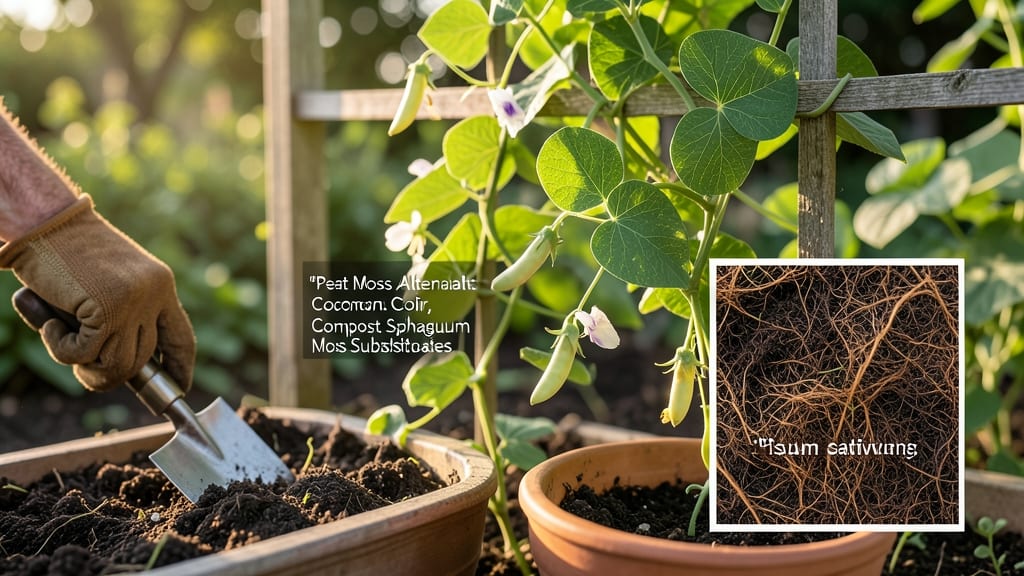
Why is peat bad for gardens? It's harmful because its mining wrecks delicate wetland ecosystems, releasing massive carbon stores and threatening endangered species. As a finite resource, it breaks down quickly, losing its water-holding ability and nutrient benefits while accelerating climate change through habitat loss and emissions.
Peat's environmental damage starts with its extraction process, which drains wetlands that act as natural carbon sinks. 🌿 These ecosystems store more carbon per acre than forests, and when peat is harvested, that carbon gets released into the atmosphere, worsening climate change.
Beyond carbon emissions, peat mining destroys habitats for rare species like the European mink and disrupts water cycles that support local agriculture. Even after use, peat's degraded structure makes it less effective over time, forcing gardeners to replace it more often—which only worsens the cycle of destruction.
What makes this especially concerning is how quickly peat loses its usefulness. Once exposed to air, it dries out and loses its ability to retain moisture and nutrients, leaving gardeners with soil that struggles to support plant growth. The irony?
Many gardeners reach for peat to improve their soil, only to contribute to the very problems they're trying to solve—habitat destruction, climate change, and resource depletion. The good news? Sustainable alternatives like coconut coir or compost offer similar benefits without the environmental cost.
💡 In This Article
- How Peat Extraction Destroys Wetlands and Ecosystems
- Best Sustainable Peat Alternatives for Garden Soil
How peat extraction destroys wetlands and ecosystems
Peat forms over thousands of years in wetlands, where partially decomposed plant matter accumulates in waterlogged conditions. When harvested, this process begins with draining the wetland—often using canals and pumps—that permanently alters the landscape.
This drainage exposes peat to oxygen, accelerating its decomposition and releasing stored carbon dioxide at rates up to 20 times faster than intact peatlands. A single drained peatland can emit 5-10 metric tons of CO₂ per hectare annually, equivalent to burning fossil fuels.
The ecological damage extends beyond carbon emissions. Wetlands act as natural filters, removing pollutants and providing habitats for 30% of endangered species, including birds like the bittern and mammals like the European mink. Peat extraction turns these ecosystems into barren wastelands, eliminating critical breeding grounds.
The loss of vegetation also disrupts water cycles, reducing groundwater recharge and increasing flood risks downstream. Even after extraction, the remaining peat degrades rapidly, losing its ability to retain moisture and nutrients within 5-10 years.
Gardeners often choose peat for its water-holding capacity, but this benefit comes at a steep cost. Once mined, peat loses 70-90% of its original volume as it dries out, forcing repeated replacements that perpetuate the cycle of destruction.
The irony? Many peat-based products advertise "improved drainage" while simultaneously contributing to the very water scarcity issues they claim to solve. This creates a paradox where gardeners inadvertently harm the very ecosystems that sustain healthy plant growth.
Consider the case of Ireland's peatlands, which cover 20% of the country*. Despite their ecological importance, over 80% of these wetlands have been drained for peat extraction. The result? Increased flooding, loss of biodiversity, and higher carbon emissions—directly contradicting Ireland's climate goals.
The same pattern repeats globally, from Finland's vast bogs to the U.S. Everglades, where peat mining threatens endangered species like the Florida panther.
What makes this issue even more urgent is the long-term soil degradation. Peat's structure relies on intact organic matter, which breaks down when exposed to air. This degradation reduces its ability to support plant roots, leading to poorer yields and increased need for chemical fertilizers.
The net effect? Gardeners end up spending more money on replacements and amendments while contributing to broader environmental harm. 🌍
For those who rely on peat for gardening, the hidden cost isn't just financial—it's ecological. Every bag of peat represents centuries of natural accumulation destroyed in months, with irreversible consequences for climate stability and biodiversity.
The good news? Sustainable alternatives exist that deliver similar benefits without the devastation. Understanding this connection is the first step toward making more responsible choices in gardening.