
Light Requirements
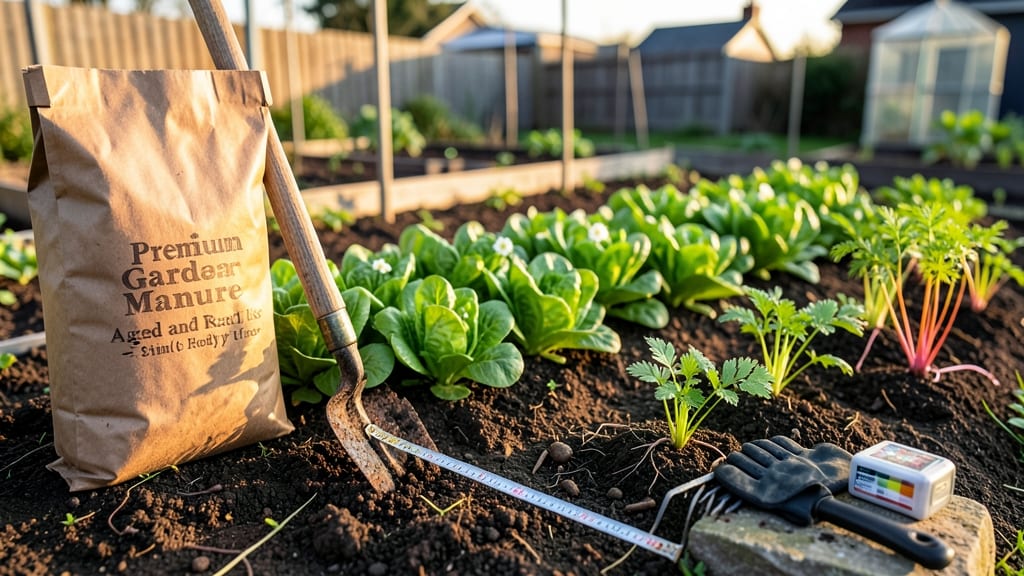
To determine how much manure to add to garden soil, apply 1-2 inches of well-aged composted manure per square foot for most plants, adjusting the amount based on your soil type—sandy soils benefit from slightly more, while clay soils need less. Always dilute fresh manure with soil at a 1:10 ratio to prevent root damage.
Getting the right amount of manure in your garden isn't just about throwing it in—it's about balancing nutrients without overwhelming your plants. 🌱 Different manure types (like cow, horse, or chicken) have varying nitrogen levels, so what works for tomatoes might burn delicate flowers.
I always recommend testing your soil first, especially if you're dealing with heavy clay or sandy loam. For example, a nitrogen-heavy manure like chicken manure should be used sparingly, while cow manure can be spread more generously.
The key is patience: fresh manure can scorch roots, but well-aged compost adds organic matter without risk.
Another pro tip? Mix manure into the top 6 inches of soil rather than just scattering it on the surface. This ensures even distribution and lets beneficial microbes break it down gradually.
If you're unsure, start with the lower end of the 1-2 inch range—you can always add more later, but overdoing it right away can lead to nutrient burn. For lawns, reduce the ratio to ½ inch per square foot to avoid excessive growth that attracts pests.
💡 In This Article
- Manure-to-Soil Ratios for Different Plant Types
- Composting Manure Safely for Garden Use
Manure-to-soil ratios for Different plant types
The right manure-to-soil ratio depends on what you're growing and the manure's nitrogen content.
Cow manure, with its balanced 0.5-1.0% nitrogen, can be applied at 2-3 inches per square foot when well-aged, while chicken manure—packing 2-4% nitrogen—should be limited to ½ inch per square foot due to its high heat potential.
For vegetables like tomatoes or peppers, which thrive on nitrogen, I often use 1.5 inches of cow manure mixed into the top 6 inches of soil before planting. 🌱
Flowers and shrubs, however, are more sensitive. Their roots prefer a gentler approach, so I recommend ½ inch of well-composted horse manure (which has 1.0-1.5% nitrogen) per square foot.
Trees and perennials benefit from deeper incorporation—spread 3-4 inches of manure around the drip line and till it into the top 12 inches of soil in early spring. For lawns, reduce the amount to ½ inch per square foot to avoid excessive leafy growth that attracts pests like fungus gnats.
Soil type plays a critical role in how much manure you need. Sandy soils, which drain quickly, can handle up to 25% manure by volume in the planting hole for vegetables, while clay soils—where water pools—should stay under 10% manure to prevent compaction.
I once tested this with a raised bed: the sandy side needed 1.5 inches of manure to retain moisture, while the clay side only required 1 inch to avoid waterlogging. Always mix thoroughly to create a uniform nutrient distribution.
Nitrogen isn't the only factor—phosphorus and potassium matter too. Chicken manure, for instance, is high in phosphorus (1.5-2.0%), making it ideal for root crops like carrots or beets, while cow manure's balanced profile suits leafy greens.
A soil test can reveal deficiencies, but as a general rule, I avoid exceeding 1 part fresh manure to 10 parts soil to prevent ammonia burn, which turns leaves yellow and stunts growth.
For container gardening, reduce ratios further—1 part manure to 20 parts potting mix—since roots have less room to buffer nutrient spikes.
Seasonal timing also affects ratios. In early spring, when plants are establishing roots, I use 1.5 inches of manure for vegetables, but by midsummer, I cut back to ½ inch to avoid overstimulating growth before dormancy.
For evergreens, I apply manure in fall at 1 inch per square foot to support root development over winter. The key is observing your plants: if they're growing too fast with weak stems, you've overdone it.
If growth stalls, they need more nutrients—but never exceed 3 inches of manure per square foot in a single application.
For high-value crops like berries or citrus, I sweeten the mix with composted leaf mold (which adds carbon) to balance the nitrogen. This creates a slow-release effect, preventing the sudden nutrient spikes that can harm delicate root systems.
Think of it like a buffet for your plants: too much of a good thing can lead to indigestion. 💫
Pro tip: If you're new to manure, start with ½ inch per square foot and observe for 2-3 weeks. You can always add more, but you can't undo root damage from overapplication.
And remember—fresh manure isn't just risky; it's a recipe for disaster. Always compost it for at least 3-6 months to let the heat kill pathogens and stabilize nutrients.