Planting
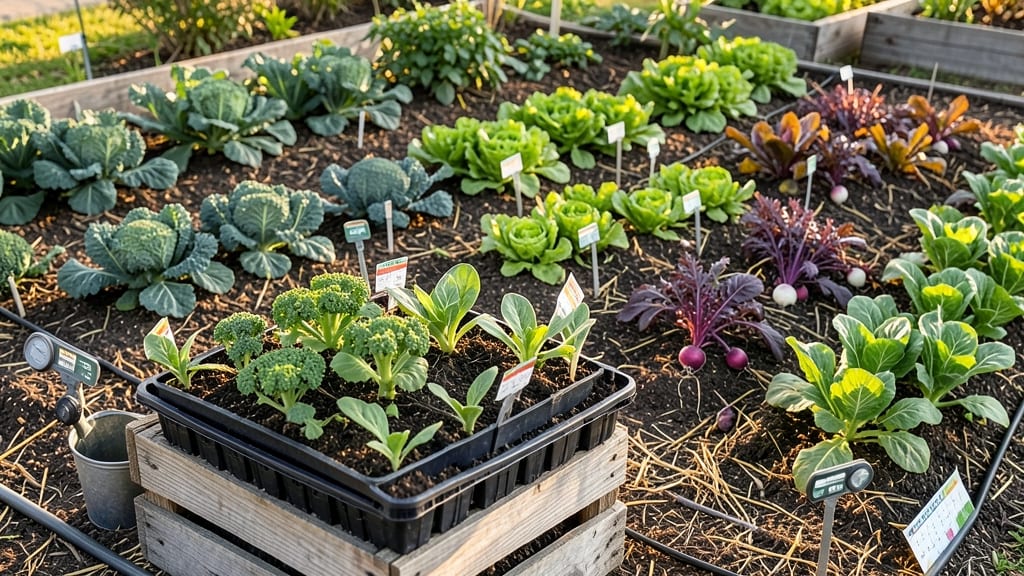
Planting a fall garden in Texas means timing your seeds between late July and October—depending on whether you're in North, Central, or South Texas—to avoid the brutal summer heat and the first frost.
Texas gardeners know that timing is everything—plant too early, and your fall crops will bolt in the heat; too late, and frost ruins your harvest. But mastering the exact planting schedule for Texas’s diverse climate zones can turn your garden into a high-yielding autumn oasis.
With the right approach, you’ll enjoy crisp greens, sweet carrots, and hearty greens like kale and broccoli—all thriving in Texas’s mild fall temperatures. The key lies in understanding your zone, preparing your soil, and choosing crops that match your region’s unique conditions.
In this guide, I’ll break down the ideal planting windows by zone, share the best crops for your area, and show you how to extend your harvest well into winter. Let’s get your fall garden growing!
Texas fall planting calendar by hardiness Zone: month-by-month breakdown
Texas’s diverse climate—from the cooler hills of the Panhandle to the subtropical Gulf Coast—means your fall planting schedule must adapt to USDA Zones 7–10. In Zone 7, frost can arrive as early as mid-November, while Zone 10 may see light frosts only in January.
This variability means timing is critical: plant too soon, and your cool-season crops bolt in the heat; too late, and frost ruins your harvest. Let’s break it down by zone and month to maximize your fall garden yield.
For Zone 7 (North Texas), start prepping soil in late July for early August plantings. This zone’s shorter growing season demands fast-maturing varieties like radishes (25 days) or bush beans (50 days).
In Zone 8 (Central Texas), you’ve got a little more flexibility—late July to early September works for most crops, with broccoli and kale thriving if planted by mid-August.
Meanwhile, Zone 9–10 (South Texas) gardeners can stretch plantings into early October, even experimenting with overwintering greens like collards or turnips.
The key is calculating your first frost date and working backward. Most cool-season crops need 60–90 days to mature, so Zone 7 gardeners should aim for August plantings, while Zone 10 can push to September.
Use this rule of thumb: plant leafy greens (lettuce, spinach) 30–45 days before frost, and root crops (carrots, beets) 60–75 days out. Herbs like cilantro and dill bolt quickly in heat, so save them for September–October plantings in all zones.
In August, focus on direct-sowing seeds like carrots and beets, which germinate best in warm soil but tolerate cooler nights. Transplant broccoli and cauliflower seedlings in late August to avoid cabbage worms (handpick them daily!).
For Zone 7–8, September is your last chance to plant spinach and kale, while Zone 9–10 can add peas and lettuce for a winter harvest. Always harden off seedlings for 3–5 days before transplanting to prevent shock.
Watch for heat spikes in early fall—even in Zone 10, temperatures can flirt with 90°F in September. Use shade cloth for delicate greens like arugula or baby bok choy.
In Zone 7, late September is the cutoff for cool-season crops; after that, switch to fast-maturing varieties or overwintering crops like garlic or onions. For herbs, cilantro bolts in heat, so plant it in partial shade or opt for parsley, which handles cooler temps better.
Soil prep is non-negotiable. Texas soils range from sandy (West) to clay-heavy (East), both of which drain poorly when wet. Amend with 2–3 inches of compost and a 1-inch layer of mulch to retain moisture and regulate temperature. In Zone 8–10, drip irrigation
Best fall crops for Texas soil and heat tolerance: what to prioritize
Texas’s fall garden thrives when you choose crops that handle late-summer heat while enduring early-winter chills. The key is selecting varieties that mature quickly—30 to 60 days—before frost hits.
My top picks balance heat tolerance, soil adaptability, and high yield, whether you’re in sandy Coastal Bend or clay-heavy North Texas. Start with these 10 powerhouse crops to maximize your harvest.
For sandy soils (common in South Texas), focus on shallow-rooted crops like radishes and turnips, which dry out fast. Amend with compost and organic matter to retain moisture. In clay-heavy regions (like East Texas), prioritize loosening soil with gypsum or coarse sand—this prevents compaction and improves drainage.
Both soil types benefit from a 2-inch layer of mulch to regulate temperature and conserve water.
- 🥕 Carrots – Heat-tolerant varieties like 'Danvers' thrive in loose soil; plant 8 weeks before frost.
- 🥬 Leafy Greens – 'Black Seeded Simpson' lettuce and kale handle 50°F nights and bolt-resistant.
- 🌿 Spinach – 'Bloomsdale' type matures in 40 days; sow 6 weeks before first frost.
- 🍅 Tomatoes – Heat-set varieties like 'Celebrity' or 'Solar Fire' handle 90°F+ soil.
- 🥔 Sweet Potatoes – Slips planted in late July-August mature before frost; ideal for sandy soils.
- 🌶 Peppers – 'Jalapeño M' and 'Aristotle' continue producing into fall; transplant after August 15.
- 🥕 Radishes – 'Cherry Belle' grows in 25 days; perfect for succession planting every 2 weeks.
- 🥬 Collard Greens – Cold-hardy down to 20°F; plant late summer for winter harvests.
- 🌿 Bok Choy – 'Toy Choy' matures in 30 days; tolerates light frost.
- 🍓 Strawberries – June-bearing varieties like 'Chandler' planted in fall establish roots before winter.
My #1 recommendation for beginners is collard greens—they’re frost-resistant, low-maintenance, and adapt to both soil types. For high-yielding harvests, prioritize tomatoes and peppers in raised beds (especially in clay soil) to prevent blossom-end rot from uneven moisture.
Test your soil’s pH (6.0–6.8) and amend with lime or sulfur as needed—clay soils often need sulfur to lower pH, while sandy soils may need lime to raise it.
Water deeply once a week (1–2 inches) after transplanting, then taper to every 10 days as temps drop. Use drip irrigation to avoid fungal diseases like powdery mildew, which thrives in humid Texas falls.
For extended harvests, cover sensitive crops (like lettuce) with frost blankets when temps dip below 30°F. This simple step can add 2–3 extra weeks to your growing season.
Don’t overlook herbs like cilantro and dill—they’re heat-sensitive but perfect for fall planting if sown in shade cloth during September’s last heatwave. These herbs bolt quickly, so harvest leaves before flowering for maximum flavor.
Pair them with radishes (which mark your rows) and spinach (which thrives in cooler weather) for a low-effort, high-reward fall garden.
Start with 3–4 crops to avoid overwhelm, and rotate plantings every 2 weeks. This succession method ensures a continuous harvest until frost. My fall garden in Zone 8b (Austin area) yields tomatoes until November, kale through December, and spinach into January—all with minimal extra care.
The secret? Right crops + right timing + soil prep—no magic, just smart gardening.