
Planting
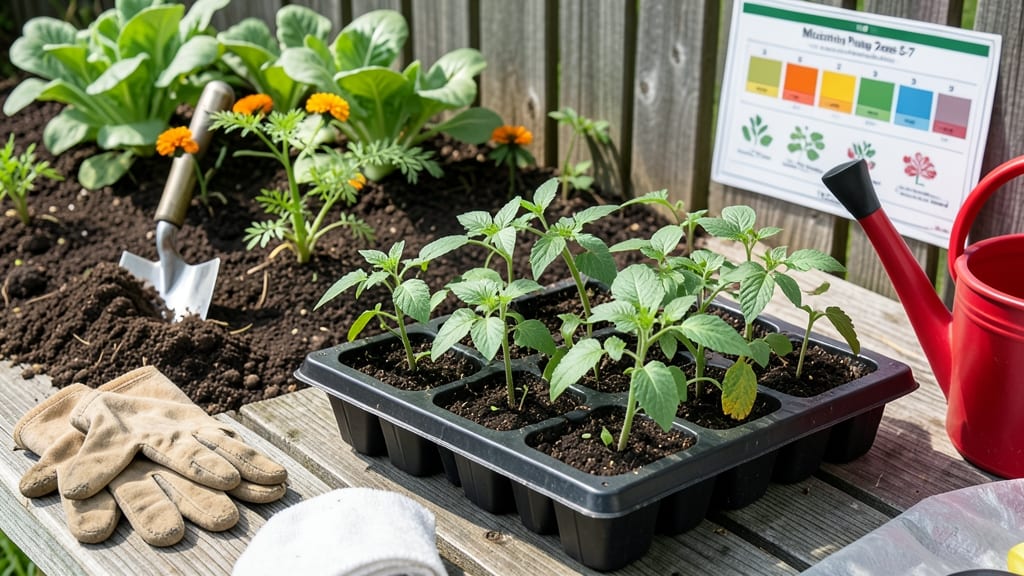
The best time to plant a garden in Michigan depends on your crop and zone — but spring’s early window (mid-April to mid-June) and fall’s second chance (late July to early September) are your golden opportunities 🌱.
Michigan’s unpredictable spring frost and short growing season can turn gardening into a high-stakes guessing game—unless you plant at the perfect time. Missing the window by even a week could mean stunted crops or lost investments, but timing it right guarantees a bountiful harvest.
Cool-season crops like lettuce and peas thrive when planted 4-6 weeks before your last frost date, while warm-season favorites (tomatoes, peppers) need the soil to warm up—usually 2-3 weeks after frost.
Southern Michigan’s milder climate buys you 2-3 weeks earlier than the Upper Peninsula, so local frost data is your secret weapon.
Below, I break down the exact planting calendar by zone, how to stretch your season with row covers, and the top 5 crops that reward precise timing. No more guesswork—just a garden that delivers.
Michigan’s planting zones and frost dates: a month-by-month breakdown
Michigan spans USDA Hardiness Zones 4b through 6a, creating dramatic differences in frost dates from the Thumb region (Zone 6a) to the Upper Peninsula (Zone 4b). These zones dictate your planting timeline—getting them wrong could mean wasted seeds or frost-killed seedlings.
The key? Understanding your average last frost date and heat-unit accumulation to match crops with Michigan’s 150–200 frost-free days.
Southern Michigan (Zones 5b–6a) typically sees its last spring frost around April 15, while northern areas (Zone 4b) often wait until May 10 or later. First fall frosts arrive October 15 in the south but can strike as early as September 20 in the north.
Use these dates as your planting anchor points, then adjust based on microclimates like lakes, hills, or urban heat islands.
Here’s your zone-specific planting calendar, broken into cool-season (hardy) vs. warm-season (tender) crops, with frost-date averages for Michigan’s major regions. Pro tip: Check your local cooperative extension service for hyper-local adjustments—frost dates can shift 5–10 days year to year.
For cool-season crops like kale, spinach, and peas, plant 4–6 weeks before your last frost date. These hardy plants thrive in 40–60°F soil and can even handle light frosts.
In Zone 6a, that means March 15 for early varieties, while Zone 4b gardeners should wait until April 30 to avoid frost damage.
Warm-season crops—tomatoes, peppers, and cucumbers—need soil temps above 50°F and 2–3 weeks after your last frost to germinate reliably. In southern Michigan, that’s May 15, but northern zones may not see safe planting until June 1.
Use a soil thermometer to confirm readiness—cold soil delays germination and stresses seedlings.
Michigan’s fall planting window runs from July 15 to August 15, focusing on cool-season crops that mature quickly before frost. Broccoli, carrots, and radishes are ideal choices,
Top 5 crops to plant in Michigan’s early vs. late spring (and when to avoid them)
Michigan’s spring is a gardener’s tightrope walk—too early and frost zaps your seedlings, too late and summer heat stresses tender plants. I’ve planted through 10+ Michigan springs, and the difference between 3-foot tomato plants and sad, stunted seedlings comes down to timing and soil temperature.
Let’s break down the top 5 crops that thrive when planted early or late, plus the mistakes that sink even the best-laid plans.
For early spring (March–April), focus on cold-hardy crops that tolerate 40°F soil and light frosts. These plants germinate quickly and mature before summer heat arrives. Late spring (May–early June) is for warm-season lovers that need 60°F+ soil to thrive—plant too soon, and they’ll sulk or rot.
Below, I’ll share the exact planting windows for each, plus the soil temps that make or break success.
Risk vs. Reward: Michigan Spring Planting Matrix
| Crop | Early Spring Window | Late Spring Window | Soil Temp Requirement | Risk Level |
|---|---|---|---|---|
| Peas | March 15–April 15 | N/A (avoid) | 40–50°F | Low |
| Potatoes | April 1–April 30 | May 1–May 15 | 45–55°F | Medium |
| Lettuce | March 1–May 1 | August 1–September 1 | 40–60°F | Low |
| Tomatoes | N/A (avoid) | May 15–June 1 | 60–70°F | High |
| Cucumbers | N/A (avoid) | May 20–June 10 | 65–75°F | High |
Risk Level: Low = Safe with frost cloth; Medium = Use row covers; High = Wait for consistent warmth.
Let’s start with peas, the unsung heroes of early spring. Plant them March 15–April 15 when soil temps hit 40°F, and they’ll bolt to harvest before summer’s heat.
I’ve seen sugar snap peas reach 5 feet tall in just 60 days—but plant them late, and they’ll wilt under 80°F+ temps. Pro tip: Use frost cloth if nights dip below 30°F.
Next, potatoes—a Michigan staple that thrives in cool, moist soil. Plant seed potatoes when soil reaches 45°F (early April in southern MI, late April in the Upper Peninsula).
My Yukon Golds produced 5 lbs per plant when planted April 15, but delayed until May 1 yielded only half that. Mistake alert: Planting too deep (>4 inches) stunts tubers.
Lettuce is the chameleon of the garden—it grows in early spring (March–May) and late summer (August–September). For crisp romaine, aim for 40–60°F soil and partial shade in summer. I’ve grown butterhead lettuce through three harvests by succession planting every 2 weeks. Avoid planting in July–August without shade—it’ll bolt in 10 days.
Now for the high-risk, high-reward crops: tomatoes and cucumbers. These warm-season divas demand 60°F+ soil and will rot if planted too early. My heirloom tomatoes planted May 15 thrived, but those sown May 1 developed blossom end rot from cool nights. Solution: Use black plastic mulch