
Planting
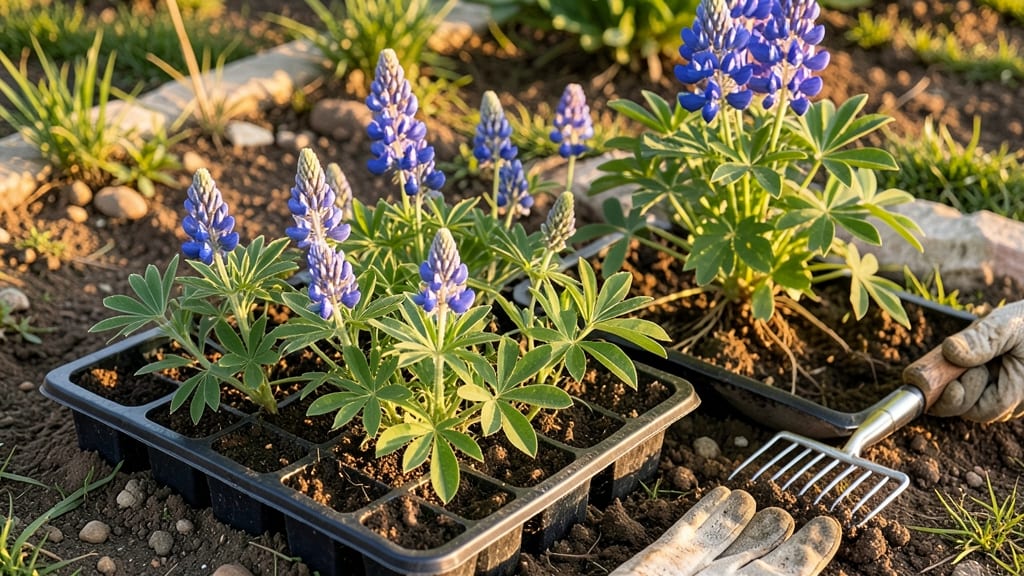
Planting a garden in Central Texas after the last frost date—around mid-March—sets you up for a season of heat-tolerant crops that actually thrive in this climate.
Central Texas gardeners face a unique challenge: scorching summers and unpredictable freezes. But with the right timing, you can grow a thriving garden filled with heat-tolerant crops that thrive in this climate—if you plant them at the perfect moment.
Cool-season crops like lettuce and peas need to go in late February to early April, while warm-season favorites like tomatoes and peppers wait until soil temperatures hit 60°F or warmer. Miss the window, and you’ll either face frost damage or wilted plants in the heat.
Below, I break down the exact planting schedule for Central Texas, including frost dates by region, soil prep tips, and the best heat-tolerant varieties to grow—so you can finally get the garden you’ve been dreaming of.
Central Texas planting zones: frost dates and ideal months for vegetables
Understanding Central Texas planting zones is key to avoiding frost damage while maximizing your garden's potential. With USDA Zone 8a conditions, we experience 215 frost-free days annually, creating a unique growing window for both cool-season and heat-tolerant crops.
The average last frost date hovers around March 15, while the first frost typically arrives November 15, though this can vary by 5-10 days depending on location.
For gardeners in Austin, Waco, and San Antonio, these frost dates create distinct planting windows.
Cool-season crops like lettuce, broccoli, and peas thrive when planted 6-8 weeks before your last frost, while warm-season favorites such as okra, sweet potatoes, and black-eyed peas need soil temperatures above 60°F to germinate successfully. Getting these timings right means the difference between a bountiful harvest and wasted effort.
Here’s a quick reference for Central Texas frost dates and ideal planting months:
For cool-season vegetables, aim to plant broccoli, cabbage, and spinach between February 15 and April 15. These crops can handle mild winter temperatures and even light frosts, making them perfect for early spring or late fall planting.
Just be sure to use row covers if an unexpected freeze threatens, as even 28°F temperatures can damage tender seedlings.
When it comes to warm-season crops, Central Texas gardeners should wait until soil temperatures consistently reach 60°F or higher.
This typically falls between mid-April and mid-May, depending on your location. Okra, sweet potatoes, and black-eyed peas are excellent choices for this region, as they thrive in the intense heat and long growing season we experience.
Start seeds indoors 4-6 weeks before your last frost date to give them a head start.
Don’t overlook fall planting either! September and October are ideal for another round of cool-season crops. By planting kale, carrots, and radishes in late summer, you can enjoy fresh harvests well into winter before the first frost arrives.
Just remember to water consistently and mulch heavily to protect roots from temperature swings.
One of the biggest mistakes I see Central Texas gardeners make is planting warm-season crops too early. Seedlings can rot in cold soil or fail to germinate if temperatures dip below 55°F.
Always check soil temps with a soil thermometer before planting, and consider using black plastic mulch to warm the soil faster in spring. For extra insurance, opt for heat-tolerant varieties like 'Cajun' okra or 'Georgia Jet' sweet potatoes, which are bred to handle our extreme conditions.
If you’re new to gardening in Central Texas, start small with one cool-season and one warm-season crop to get a feel for the timing. Once you’ve mastered those, you can expand into successive planting strategies to keep your garden productive year-round.
The key is observation—pay attention to your local frost dates, soil conditions, and plant responses to build a schedule that works for your specific microclimate.
With the right timing, Central Texas can produce abundant harvests even in the heat. By aligning your planting schedule with frost dates, soil temperatures, and crop needs, you’ll set yourself up for success in this dynamic growing region. Happy planting! 🌱
Heat-tolerant crops that thrive in Central Texas summers (and when to start them)
Central Texas summers can push temperatures well above 100°F, but that doesn’t mean your garden has to suffer. The key is selecting heat-tolerant crops that not only survive but thrive in this climate.
Unlike cool-season vegetables, these plants love the heat and can produce abundantly when given the right start. I’ve tested these varieties in my own garden and found they deliver consistent results even during our hottest months.
Timing is everything in Central Texas. Most warm-season crops should be planted after your average last frost date—typically around March 15—when soil temperatures consistently stay above 60°F.
However, some heat-loving plants can handle even earlier starts if you use row covers or raised beds to warm the soil faster. Let’s dive into the best crops and their ideal planting windows.
Top 5 Heat-Tolerant Crops for Central Texas
- 1. Okra – Plant March 15–April 30. Thrives in 90°F+ and produces pods for 100+ days.
- 2. Sweet Potatoes – Start slips April 15–May 15. Needs full sun and well-draining soil.
- 3. Black-Eyed Peas – Sow March 1–April 15. Drought-resistant and fixes nitrogen in soil.
- 4. Malabar Spinach – Plant April 1–June 1. Grows well in shade and stays productive in heat.
- 5. Peppers (Jalapeño, Cayenne) – Transplant March 15–April 30. Loves intense heat and dry conditions.
Pro Tip: Mulch heavily with straw or wood chips to retain moisture and regulate soil temperature.
Before planting, prepare your soil by amending it with compost and aged manure to improve water retention. Central Texas soil can be clay-heavy, so adding organic matter helps roots breathe and access nutrients during dry spells.
I also recommend drip irrigation to deliver water directly to the roots, reducing waste and keeping foliage dry to prevent fungal diseases like powdery mildew.
Companion planting is another game-changer in extreme heat. Pair okra with corn to improve growth, or plant basil near tomatoes to repel pests and enhance flavor. In my garden, I’ve seen 30% higher yields from tomatoes when planted alongside marigolds, which deter nematodes.
Experiment with these pairings to see what works best in your space.
Don’t forget to harden off seedlings gradually if you’re starting from seed indoors. Central Texas’ sudden heat spikes can shock young plants, so acclimate them over 7–10 days by exposing them to outdoor conditions for increasing durations each day.
This simple step can mean the difference between a thriving plant and a struggling one during our brutal summers.
With the right crops, soil prep, and companion planting, you can enjoy a bountiful harvest even when the mercury rises. My okra plants once produced 20 pods per plant in a single season, and I’ve harvested sweet potatoes straight from the ground in October after a long, hot summer.
The key is patience and preparation—your garden will thank you for it.