Planting
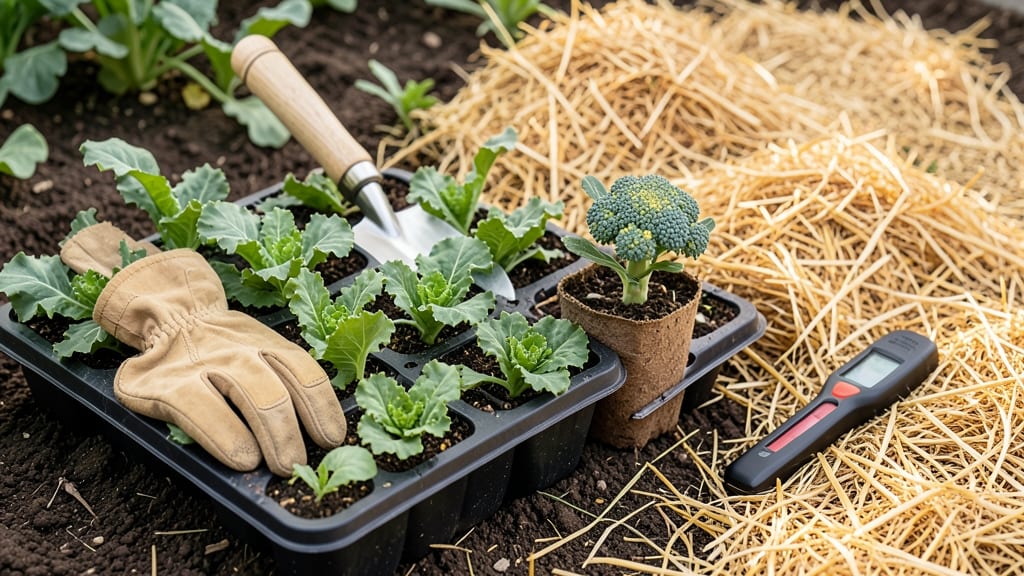
Planting a fall garden in Houston, Texas starts mid-August to beat the heat and September’s relentless humidity—before the rains turn your soil into mud.
Houston’s scorching summers can make gardening feel impossible—but with the right timing, you can beat the heat and plant a thriving fall garden. The key? Starting early enough to avoid September’s relentless humidity and downpours, when even the hardiest vegetables struggle to take root.
In Zone 9a, the window for cool-season crops is narrow, but heat-tolerant greens like collards, black-eyed peas, and okra can thrive if planted before late August. This is your chance to skip the summer slump and grow a garden that actually produces before the first frost hits in mid-December.
Below, I’ll break down the exact dates for Houston’s fall planting schedule, which crops to prioritize, and how to prep your soil to avoid common pitfalls—so you can enjoy a harvest that lasts well into winter.
Houston’s fall planting timeline: exact dates for heat-tolerant crops before September’s rain
Houston’s fall planting window begins earlier than you might think—mid-August is your best bet to beat the September humidity and establish crops before the rains arrive. The key is planting heat-tolerant varieties like okra and sweet potatoes while soil temperatures remain above 70°F.
Urban areas like downtown Houston often experience microclimates with 2-3°F warmer temps than rural zones, so adjust your timeline accordingly.
Your last frost date in Houston is December 15, but the real deadline is early October for most fall crops. After that, soil saturation from September’s storms makes planting difficult.
For slow-growing crops like collards, start seeds indoors in late July to transplant by mid-August. Fast growers like bush beans can wait until early September.
Soil temperature is your best guide: aim for 65-85°F for most fall crops. Use a soil thermometer to check depths of 2-4 inches. If temps drop below 60°F, growth slows dramatically. Rural areas cool faster than urban concrete jungles, so rural gardeners may push planting 1-2 weeks later than city dwellers.
Here’s your Houston-specific planting timeline for heat-tolerant fall crops, accounting for urban vs. rural differences:
| Crop | Urban Houston Planting Window | Rural Houston Planting Window | Soil Temp Threshold (°F) | Key Tip |
|---|---|---|---|---|
| Okra | Mid-August to early September | Late August to mid-September | 70-85 | Use shade cloth if temps exceed 90°F |
| Sweet Potatoes | Late July to early August | Early August | 75-80 | Plant slips (not seeds) for faster harvest |
| Collard Greens | Late August to early September | Mid-August to early September | 65-75 | Start seeds indoors 4-6 weeks before transplanting |
| Black-Eyed Peas | Early September | Mid-September | 70-80 | Choose heat-tolerant varieties like 'Purple Hull' |
| Malabar Spinach | Late August to early October | Early September to mid-October | 60-80 | Thrives in partial shade if urban temps rise |
For urban gardeners, prioritize container gardening to manage heat islands. Black plastic mulch can raise soil temps by 5-10°F, extending the growing season for heat-loving crops. Rural areas benefit from natural cooling at night, allowing later plantings of cool-season crops like turnips in early October.
Watch for September’s tropical downpours, which can drown seedlings. Amend your soil with compost and sand to improve drainage before planting. Urban soils often compact faster due to foot traffic, so add 2-3 inches of mulch to retain moisture and regulate temperature.
Rural gardeners should test soil pH—Houston’s clay soils often skew acidic (pH 6.0-6.5), ideal for most fall crops.
If you miss the August window, don’t despair—September plantings of fast growers like bush beans and malabar spinach can still succeed. Use drip irrigation to avoid fungal diseases from overhead watering during Houston’s high humidity. For extended harvests, succession plant beans every 2 weeks through mid-September.
Mark your calendar for October 15, when you should have all direct-sown crops established. After this date, focus on transplanting seedlings and protecting young plants with
Best heat-tolerant vegetables for Houston’s fall garden: what to plant and when
Houston’s fall garden thrives when you choose heat-tolerant vegetables that can handle late summer’s lingering heat while preparing for cooler weather. The key is planting 6-8 weeks before your first frost (around December 15), but starting too late means battling September’s humidity and fungal diseases.
My top picks for Houston’s fall garden balance heat resistance with fast maturation—perfect for beating the clock.
Okra and black-eyed peas are my go-to heat-loving vegetables for Houston’s fall garden. Both handle temperatures up to 95°F and thrive when planted in mid-August. These crops don’t just survive—they prosper in Houston’s late summer heat, giving you a head start before cooler weather arrives.
Malabar spinach is another winner, tolerating up to 100°F while delivering tender leaves perfect for Houston’s fall harvest.
🌱 Numbered Highlights: Houston’s Fall Planting Schedule
- Mid-August: Plant okra and black-eyed peas (heat tolerance: 90-95°F). Use shade cloth if temps exceed 95°F.
- Late August: Sow Malabar spinach and sweet potatoes (tolerates up to 100°F). Space sweet potatoes 3 feet apart for optimal growth.
- Early September: Add collard greens and turnips (plant 4-6 weeks before frost). These handle 80-85°F but prefer cooler fall temps.
- Mid-September: Transplant kale and mustard greens (heat tolerance: 75-80°F). Use row covers if nights dip below 50°F.
- Late September: Direct-sow radishes and carrots (fast growers: 30-45 days). Mulch heavily to retain soil moisture.
To extend your fall harvest beyond Houston’s first frost, I recommend using row covers or cold frames for sensitive crops like collards and kale. These simple tools can push your harvest window back by 2-4 weeks, giving you fresh greens well into November.
For okra and sweet potatoes, focus on soil warmth—they struggle when soil temps drop below 65°F, so plant in well-draining, compost-rich soil to retain heat.
Watering is critical in Houston’s fall garden. Deep watering every 2-3 days prevents stress, especially for heat-tolerant crops like okra and black-eyed peas. I water in the early morning to reduce evaporation and fungal risks.
For leafy greens like Malabar spinach, keep soil consistently moist but avoid waterlogging—Houston’s heavy clay soil drains poorly when saturated.
Don’t overlook fertilizer timing for your fall garden. A balanced 10-10-10 fertilizer applied at planting gives your crops the nutrients they need to thrive. For okra and sweet potatoes, a second feeding with potassium-rich fertilizer (like 0-0-50) in late September boosts root and tuber development.
Avoid heavy nitrogen in fall—it encourages leafy growth over harvestable yields.
With the right heat-tolerant vegetables and precise planting dates, Houston’s fall garden can be just as productive as spring. My top three picks—okra, black-eyed peas, and Malabar spinach—deliver flavor and resilience, while row covers and mulch extend your harvest season.
Start planting in mid-August, and you’ll enjoy fresh produce well into December! 🌱