
Planting
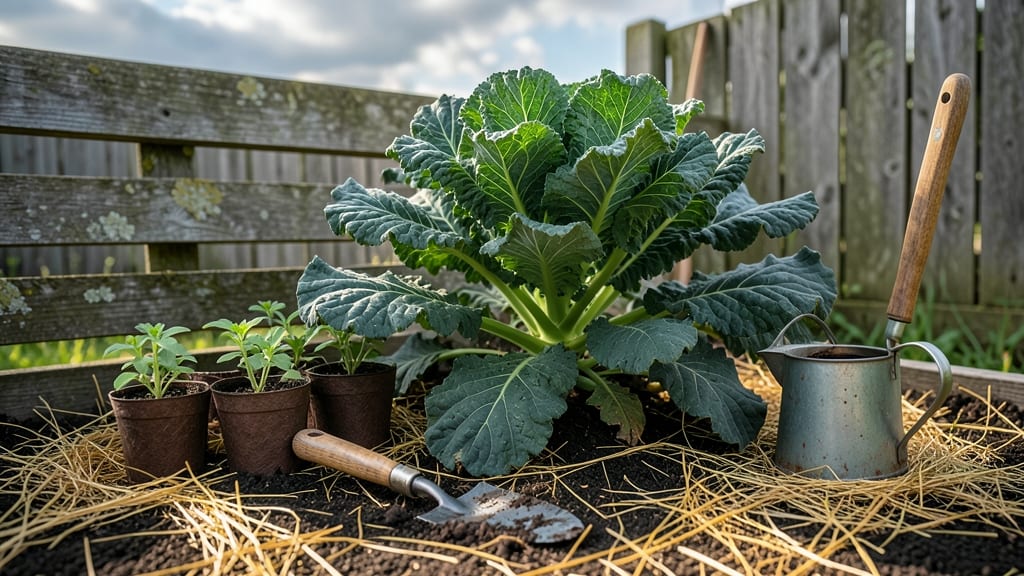
Planting a fall garden in Texas means timing your crops to beat the heat and avoid frost—typically between mid-August and early October, depending on your zone.
Texas gardeners know the difference between a thriving fall harvest and a wasted season often comes down to timing—plant too early, and frost ruins your crops; too late, and heat stress stunts growth.
In North Texas (Zones 7-8), you’ll want to start by late August for frost-tolerant greens like kale and spinach, while South Texas (Zones 9-10) can push planting into early October for longer growing windows.
Below, I’ll break down the exact planting windows by zone, the best crops for your area, and how to adjust for Texas’ unpredictable heat waves and droughts.
Texas fall planting calendar by USDA Zone: exact months for zero-frost risk
Texas gardeners face a unique challenge with its diverse USDA zones 7-10—where first frost dates can vary by 6+ weeks across the state.
In Zone 7 (North Texas), the average first frost arrives by mid-November, while Zone 10 (South Texas) may see no frost at all until December or never.
This means your fall planting window could start as early as late July in the Panhandle or as late as early September in the Rio Grande Valley.
To maximize your harvest, focus on heat-tolerant crops first (like kale and broccoli) and reserve frost-sensitive varieties (such as lettuce and radishes) for 6-8 weeks before frost.
The key is calculating your frost-free growing window—the period between your last 90°F+ heatwave and first 32°F frost. Here’s how to nail it for each zone.
Pro Tip: Use the Texas A&M AgriLife Extension frost probability maps to fine-tune your dates. For example, Dallas (Zone 8a) has a 50% frost risk by November 15, while Houston (Zone 9a) rarely sees frost before December 15. Adjust your planting schedule accordingly.
| USDA Zone | Avg. First Frost | Ideal Planting Window | Heat-Tolerant Crops | Frost-Sensitive Crops |
|---|---|---|---|---|
| Zone 7 (North Texas) | Mid-November | Late July–Early August | Kale, Swiss Chard, Broccoli | Lettuce, Spinach, Radishes |
| Zone 8 (Central Texas) | Late November | Early August–Mid-September | Collards, Mustard Greens, Turnips | Arugula, Bok Choy, Carrots |
| Zone 9 (Gulf Coast) | Mid-December | Mid-August–Early October | Malabar Spinach, Okra, Sweet Potatoes | Cabbage, Cauliflower, Peas |
| Zone 10 (South Texas) | Rare (Dec+) | Late August–Late September | Peppers, Eggplant, Tomatoes | Green Onions, Cilantro, Lettuce |
📅 Adjust dates 2-3 weeks earlier if your area had an early heatwave or delay by 1-2 weeks if summer drought persisted.
In Zone 7, where summers are hotter and drier, prioritize fast-maturing crops like radishes (25 days) or bush beans (50 days) to avoid heat stress. Start seeds indoors in late June for a July transplant, giving them 8-10 weeks to mature before frost.
For Zone 8, you can push the envelope slightly—direct-sow lettuce in early September for a harvest before Thanksgiving, but use row covers if nights dip below 40°F.
For Zones 9 and 10, where frost is rare, focus on cool-season crops that tolerate mild heat, such as Malabar spinach or Swiss chard. These can handle 80°F+ temps and still produce well into October.
However, frost-sensitive crops like broccoli or cabbage should go in by mid-September to avoid bolting (premature flowering) from residual summer heat.
Monitor your local high-temperature trends—if 95°F+ days persist into September, delay planting heat-sensitive greens until late September. Use a soil thermometer to ensure roots stay below 85°F; anything hotter can cause root rot or stunted growth.
In Zone 7, aim for soil temps below 80°F for optimal germination.
Don’t forget to harden off seedlings for 7-10 days before transplanting, especially in Zone 7, where temperature swings can shock young plants. Gradually expose them to outdoor conditions (sun, wind, and cooler nights) to boost resilience.
This is critical for frost-sensitive crops like peas or spinach, which can w
How to adjust planting dates for Texas heat waves and late-summer droughts
Texas’ late-summer heat can turn your fall garden into a struggle if you don’t adjust planting dates and care strategies. Heat waves in August and September often push soil temperatures above 90°F, which stunts seed germination and stresses young plants.
The key to success? Extend your growing season with smart timing and heat-resistant varieties.
For Zones 8-10, where frost is rare, the challenge shifts from cold to prolonged drought and intense sunlight. I’ve found that succession planting in shorter intervals—every 2-3 weeks—helps maintain a steady harvest while avoiding heat stress on mature crops.
Pair this with soil moisture tricks like mulching and shade cloth, and you’ll beat the Texas heat.
Here’s my step-by-step guide to adjusting planting dates and care for a thriving fall garden, even in the hottest zones:
- Start with heat-tolerant seeds like Malabar spinach or Swiss chard, which thrive in 90°F+ soil and low moisture. These varieties can handle late August plantings without bolting.
- Use shade cloth (30-50%) over seedlings for 2-3 weeks to reduce stress. Remove it gradually as temps drop—this mimics natural fall cooling and prevents shock.
- Plant in succession every 10-14 days from mid-August to early October. For example, sow radishes in August for a September harvest, then replant for a November crop before frost.
- Water deeply at dawn to encourage root growth and reduce evaporation. Aim for 1-2 inches per week, but check soil moisture—Texas clay holds water longer than sandy soil.
- Mulch with straw or wood chips to retain 20-30% more moisture and keep roots cool. Replenish mulch every 4-6 weeks as it breaks down.
One of my biggest mistakes was planting lettuce in early September without shade cloth—it bolted within 10 days from the heat. Instead, I now use heat-set varieties like Black Seeded Simpson lettuce, which handles 85°F+ temps better than traditional types.
For Zones 9-10, where frost is rare, focus on longer-season crops like kale or collard greens. These can be planted as late as October and still produce through December.
Pair them with fast-maturing crops like bush beans or turnips for a 6-8 week harvest before cooler temps set in.
Remember, Texas’ erratic weather means flexibility is key. Monitor 7-day forecasts and adjust watering or shading as needed. With these tricks, you’ll extend your harvest window by 4-6 weeks and avoid the common pitfalls of late-summer planting.