
Planting
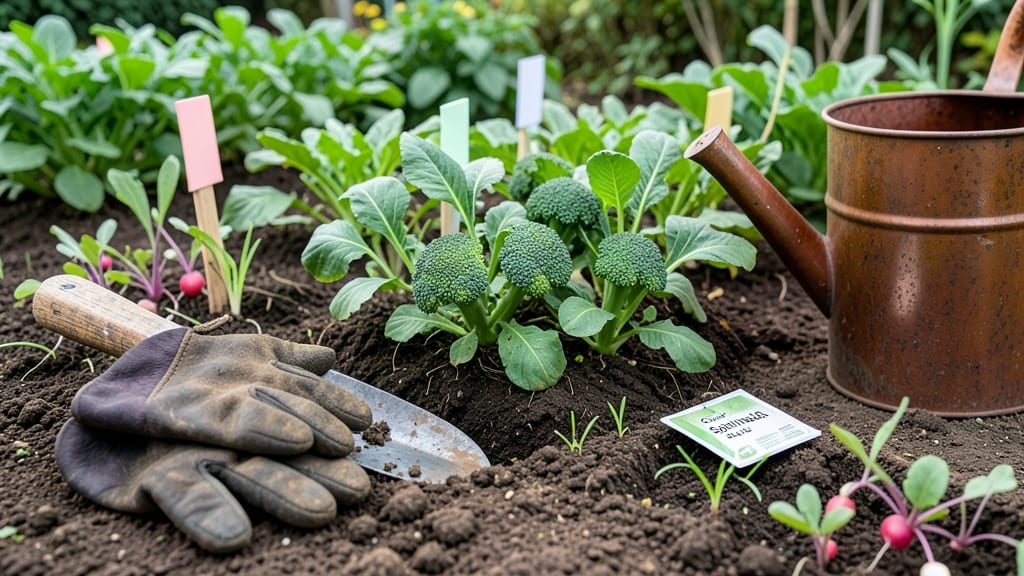
Planting a fall garden in South Texas means timing it just right—August through October—to beat the heat and dodge any late-season frost.
South Texas gardeners know timing is everything—plant too early, and your fall crops will wilt under scorching summer heat; too late, and frost sneaks in before harvest. But with the right county-specific heat escape windows, you can master the perfect planting schedule for zero-frost risk.
This isn’t just about avoiding frost; it’s about working with the region’s unique climate. 9a-10a zones give you a longer growing window than most gardeners realize, but heat stress in September can still derail your 🥬 greens and root crops if you’re not careful.
Below, I’ll break down the exact planting windows by county, the best crops for your short season, and pro tips to stretch your harvest into December—without losing a single leaf to the cold.
South Texas county heat escape windows: exact planting dates by region
South Texas’s long, hot summers and mild winters create a unique challenge for fall gardening. Unlike northern regions, we don’t have a traditional "fall planting season"—instead, we’re racing against residual summer heat while chasing the first frost, which typically arrives around December 1.
The key is planting heat-tolerant seedlings early enough to establish roots before temperatures drop, but not so early that they bolt in 90°F+ afternoons. Each county has slight variations in heat escape timing, so let’s break it down.
Your planting window hinges on two critical factors: soil temperature (ideal for cool-season crops at 60-70°F) and the number of days above 90°F remaining. For example, Hidalgo County along the Rio Grande can plant greens in early August, while El Paso County in West Texas waits until late August.
Below is your county-specific roadmap to avoid heat stress and maximize harvests before frost.
📌 PRO TIP: Always harden off seedlings for 7-10 days before transplanting, especially if moving from shaded indoor starts to full sun. This toughens young plants for South Texas’s intense afternoon heat.
| County | Heat Escape Window | Critical Heat Threshold | Best Crops to Plant | Transplant Deadline |
|---|---|---|---|---|
| Hidalgo | Early August | Last 90°F+ day: Aug 15 | Okra, Sweet Potatoes, Collards | Sept 15 |
| Cameron | Late July | Last 90°F+ day: Aug 10 | Tomatoes, Peppers, Kale | Sept 10 |
| Willacy | Mid-August | Last 90°F+ day: Aug 20 | Spinach, Radishes, Broccoli | Sept 20 |
| Nueces | Late August | Last 90°F+ day: Sept 1 | Carrots, Lettuce, Swiss Chard | Oct 1 |
| El Paso | Early September | Last 90°F+ day: Sept 15 | Cabbage, Turnips, Green Onions | Oct 10 |
| Bexar | Mid-August | Last 90°F+ day: Aug 25 | Peas, Beets, Mustard Greens | Sept 25 |
For coastal counties like Hidalgo and Cameron, the window opens earlier because humidity helps moderate temperatures. In contrast, inland areas like El Paso and Bexar experience more extreme heat, so wait until late August to avoid seedling stress.
Always check your local AgriLife Extension office for updates, as La Niña or El Niño years can shift frost dates by 1-2 weeks.
If you’re growing heat-sensitive crops like lettuce or spinach, prioritize shade cloth (30-50%) during the hottest hours (12 PM–4 PM). I’ve had success with ‘Black Seeded Simpson’ lettuce, which bolts at 85°F, by planting it under agricultural shade netting until soil temps drop below 80°F at night.
Succession planting is your best friend in South Texas. For example, sow radishes every 2 weeks from August through early October—they mature in just 25 days and can handle light frosts. Meanwhile, bro
Best fall crops for South Texas heat escape gardens: fast-growing varieties for short seasons
South Texas's short fall season demands fast-growing, heat-tolerant crops that mature before December frosts. The key is selecting varieties bred for heat escape—plants that thrive in residual summer warmth while avoiding bolting or stunting.
My top picks focus on 30-50 day harvest windows, perfect for squeezing maximum yield into limited time.
Succession planting is your secret weapon here. By staggering seed sowing every 10-14 days, you create a rolling harvest that keeps your kitchen stocked while extending the season.
For example, planting 'Southern Exposure' lettuce in late August, September, and early October ensures continuous harvests through November—just in time for holiday meals.
Heat-tolerant varieties like 'Heatmaster' tomatoes and 'Cyclone' broccoli are engineered to handle 90°F+ days while still producing quality crops. These aren't your typical cool-season varieties—they're South Texas superstars that refuse to quit when temperatures linger above 85°F.
- 1. 'Heatmaster' Tomatoes - 45-55 days to harvest; thrives in 85-95°F with full sun and staked support.
- 2. 'Southern Exposure' Leafy Greens - 30-40 days; heat-tolerant Swiss chard and kale varieties that stay crisp.
- 3. 'Cyclone' Broccoli - 50-60 days; resistant to bolting in residual heat; harvest side shoots for extended yield.
- 4. 'Early Wonder' Carrots - 55-65 days; fast-maturing with short, stubby roots ideal for dense soils.
- 5. 'Black Seeded Simpson' Lettuce - 35-45 days; bolt-resistant and heat-tolerant up to 80°F.
Don't overlook radishes and turnips—these 20-30 day crops are perfect for quick wins. Plant them in mid-September for harvests before Thanksgiving. Their rapid growth makes them ideal for gap-filling between slower crops or testing soil fertility before committing to longer-season plants.
For succession planting, prioritize leafy greens and radishes first—they mature fastest and can be interplanted with broccoli and cabbage seedlings. As temperatures drop below 80°F in October, shift to slower-growing but hardier crops like 'Winterbor' kale or 'January King' carrots for late-season harvests.
Pro tip: Use shade cloth (30-50%) over young seedlings in late August/early September to protect them from intense afternoon sun while still allowing light penetration. This simple trick can double your survival rate during the heat escape window.