
Pruning
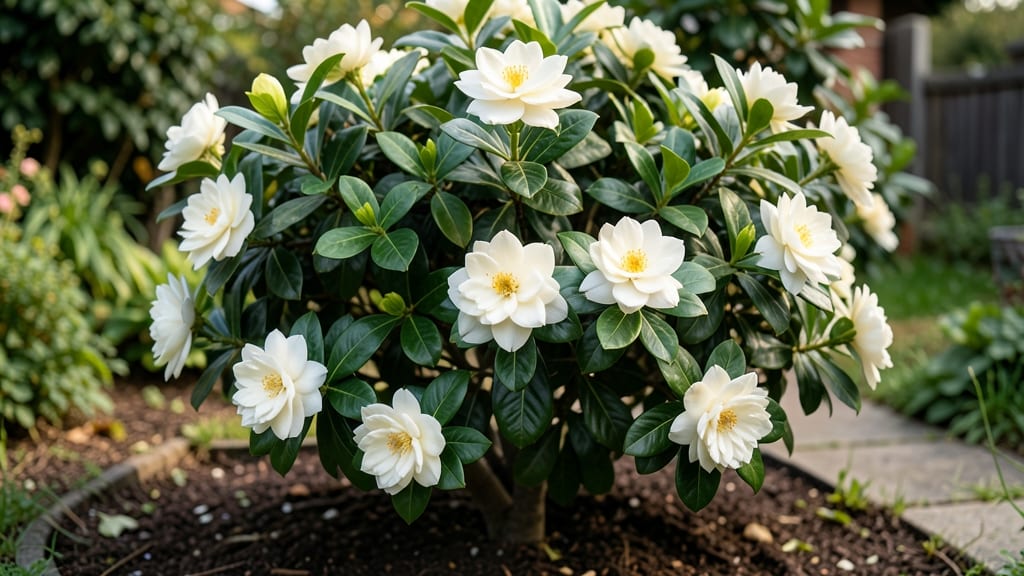
A gardenia tree size can range from 3 feet to towering 15 feet tall, depending on the variety and care you provide—so your pruning choices make all the difference.
If your gardenia tree is growing taller than your fence—or refusing to bloom because of unchecked sprawl—you’re not alone. Many gardeners struggle with how to manage this fragrant beauty without sacrificing its signature white blooms 🌸. The key? Pruning at the right time and with the right techniques.
Understanding your gardenia’s natural growth habits helps you plan for its mature height and spread. Some varieties stay compact, while others reach small-tree proportions, and climate plays a role too. For example, gardenias in warmer zones grow faster than those in cooler USDA Zone 6a areas.
In this guide, you’ll learn how to control your gardenia’s size through smart pruning, from shaping it into a neat hedge to encouraging more blooms. We’ll also cover common mistakes that stunt growth—and how to fix them.

How big do gardenia trees grow? Natural size vs. pruned varieties
When you plant a gardenia tree, understanding its mature size is key to planning your garden layout. Without pruning, these fragrant beauties can grow into small trees, reaching heights of 8-15 feet with a spread of 6-10 feet. But their size varies dramatically by variety and growing conditions.
The most common type, Gardenia jasminoides, typically grows as a 6-10 foot shrub in temperate climates. In tropical regions, however, it can reach 15 feet or taller with more aggressive growth patterns. Meanwhile, Gardenia augusta stays more compact at 3-5 feet, making it perfect for container gardening.
Root systems also play a crucial role in determining size. Gardenias develop extensive fibrous root systems that spread widely, often 2-3 times wider than the plant's canopy. This means your gardenia needs plenty of space for both its above-ground growth and underground roots.
Climate significantly impacts size too. In USDA zones 8-11, gardenias thrive year-round and grow more vigorously. In cooler zones (6-7), they may stay smaller unless protected from frost, which can stunt growth if severe.
| Variety | Mature Height | Mature Spread | Growth Rate | Climate Adaptability |
|---|---|---|---|---|
| Gardenia jasminoides | 6-15 ft | 6-10 ft | Moderate-Fast | Zones 6-11 |
| Gardenia augusta | 3-5 ft | 3-4 ft | Slow-Moderate | Zones 9-11 |
| Radicans (Creeper) | 2-4 ft | 4-6 ft | Moderate | Zones 8-11 |
| Fortuniana (Dwarf) | 3-5 ft | 3-5 ft | Slow | Zones 7-11 |
Pruning dramatically alters size potential. Regular pruning in late winter can keep a Gardenia jasminoides at 5-6 feet while encouraging bushier growth. For container gardenias, annual pruning keeps them at 3-4 feet—ideal for patio planters.
Soil quality also affects size. Gardenias thrive in acidic, well-draining soil with a pH of 5.0-6.5. Poor soil conditions can stunt growth by 30-50%, while rich, organic soil promotes faster, healthier development.
If you're growing gardenias in containers, expect 20-30% smaller sizes compared to in-ground plants. Container roots become root-bound faster, limiting growth. Choose pots at least 18 inches wide and use erica or azalea mix for best results.
For fastest growth, provide morning sun and afternoon shade, consistent moisture, and monthly feeding with acidic fertilizer. In these conditions, gardenias can grow 1-2 feet per year, reaching maturity faster.
Remember, gardenias grow best when not overcrowded. Space them 5-8 feet apart in the ground or 12-18 inches apart in containers. Proper spacing prevents competition for nutrients and water, which directly impacts size and bloom production.
With the right variety and care, your gardenia can become a fragrant focal point—whether as a towering small tree or a compact container specimen. The key is understanding its natural growth habits and using pruning to shape it to your space.
Step-by-step pruning guide to control gardenia tree size and shape
Pruning your gardenia tree isn’t just about keeping it from outgrowing its space—it’s also about encouraging healthier blooms and a more compact shape.
The best time to prune is late winter or early spring, just before new growth begins, when your gardenia is still dormant but ready to respond to your cuts. This timing helps direct energy toward new branches and flowers rather than leggy, unruly growth.
Before you start, gather your tools: sharp bypass pruners for clean cuts, sterilized shears to prevent disease, and gloves to protect your hands from thorns. Avoid using dull tools, as they can tear branches and invite pests.
If you’re unsure whether a branch is dead or alive, scrape a small section of bark—green underneath means it’s healthy, while brown or crumbly bark signals it’s time to prune it away.
Start by cutting out any branches that are brown, brittle, or devoid of leaves. These won’t regrow and can harbor pests. Use sterilized pruners to make clean cuts just above a bud or lateral branch.
Focus on inner branches that rub against each other or grow inward. Remove 1/3 of the oldest branches to improve airflow and sunlight penetration, which reduces disease risk and encourages new growth.
To create a fuller, bushier gardenia, cut back the tips of the longest branches by 1/3 of their length. This encourages the plant to branch out rather than grow tall and leggy. Angle cuts slightly above a leaf node for best results.
After flowering season, prune spent blooms by cutting back to the nearest leaf node or bud. This redirects energy toward producing new flowers rather than seed pods. Avoid heavy pruning in fall, as it can stress the plant before winter.
Dispose of pruned branches away from your garden to prevent disease spread. Water your gardenia deeply after pruning to help it recover. Monitor for new growth in the following weeks—this confirms your pruning was successful!
If you’re aiming for a compact gardenia tree, focus on pruning the outermost branches to maintain a rounded shape. For a taller, tree-like form, let the central leader grow while pruning side branches to create a balanced silhouette.
Remember, gardenias respond well to light pruning, so avoid cutting back more than 25% of the foliage in one session.
Pruning in fall is generally discouraged unless you’re dealing with damaged branches from storms or pests. Fall pruning can stimulate new growth that won’t harden off before winter, leaving your gardenia vulnerable to cold damage.
Instead, save heavy pruning for early spring, when your gardenia is just waking up from dormancy.
With consistent pruning, your gardenia tree will stay manageable in size while producing an abundance of fragrant white blooms. The key is patience—gardenia trees respond best to gradual shaping rather than drastic cuts. Happy pruning! ✂️🌿