
Companion Plants
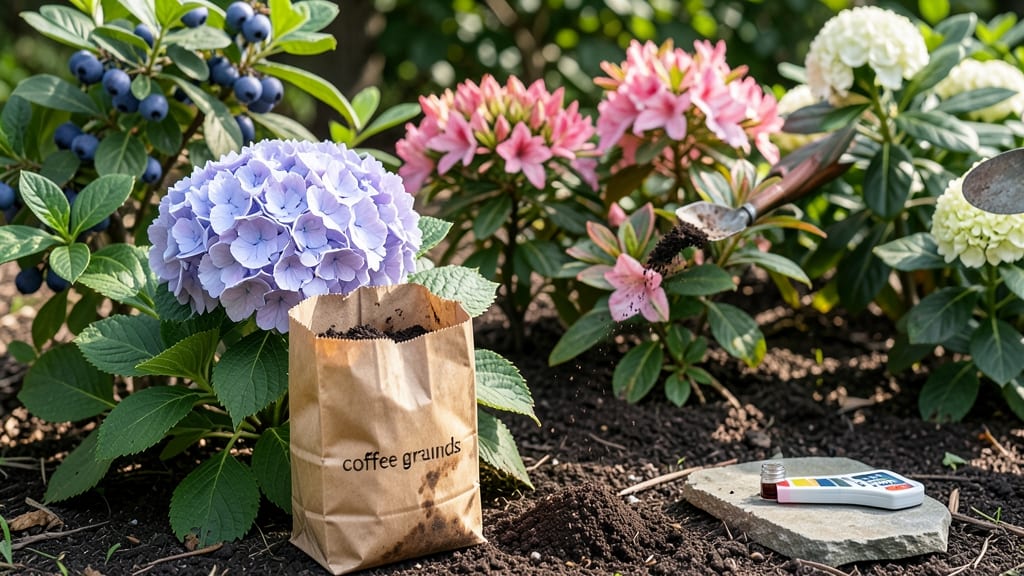
Garden plants that benefit most from coffee grounds are acid-loving varieties like azaleas, blueberries, hydrangeas, and rhododendrons, plus nitrogen-hungry vegetables such as tomatoes, peppers, and eggplants. These grounds improve soil fertility by adding nitrogen and organic matter while creating ideal acidic conditions for thriving growth.
Coffee grounds work their magic by acting as a natural fertilizer that feeds both soil microbes and plant roots. 🌱 The nitrogen content helps break down organic matter faster, creating a nutrient-rich environment for heavy feeders like tomatoes and peppers.
For acid-loving plants, the grounds gradually lower soil pH over time, which is especially beneficial for blueberries that need pH levels between 4.5 and 5.5 to produce optimal fruit.
I've noticed the biggest improvements when using fresh grounds mixed into compost piles or sprinkled lightly around established plants in early spring.
What's particularly interesting is how coffee grounds improve soil structure beyond just nutrition. They help retain moisture better, which means less frequent watering for your garden beds. The organic matter also encourages beneficial microbial activity that keeps roots healthy.
Just remember to use them sparingly - about 1/4 cup per plant every few weeks - as too much can create a coffee-scented mess rather than a nutrient boost.
💡 In This Article
- How Coffee Grounds Boost Soil Health for Acid-Loving Plants
- Best Practices for Using Coffee Grounds in Your Garden
How coffee grounds boost soil health for acid-loving plants
The real magic happens when coffee grounds decompose in the soil. They contain about 2% nitrogen by weight, which is released as they break down through microbial activity. This nitrogen feeds soil bacteria and fungi that, in turn, convert it into forms plants can absorb—like nitrate and ammonium.
For acid-loving plants, this process also releases organic acids that gradually lower soil pH, creating the ideal growing conditions. For example, blueberries need a pH between 4.5-5.5, and coffee grounds can help maintain this range over time.
What's fascinating is how coffee grounds improve soil structure at a microscopic level. The fibrous texture of used grounds increases water retention by up to 30% compared to regular soil, while also improving aeration through the decomposition process.
This dual benefit means plants get both better hydration and oxygen flow to their roots. The organic matter also acts like a slow-release fertilizer, providing nutrients over weeks rather than all at once.
I've seen azaleas and rhododendrons show dramatic growth improvements when their soil is regularly amended with coffee grounds.
The pH adjustment works through a chemical process called "acidification." Coffee grounds contain chlorogenic acid and other organic acids that dissolve in soil moisture, releasing hydrogen ions (H+) that lower pH. This is particularly valuable for gardeners with alkaline soil, where many acid-loving plants struggle.
For instance, hydrangeas can change flower color based on soil pH—blue flowers thrive in acidic conditions (pH < 6.0), while pink flowers prefer slightly alkaline soil. Coffee grounds can help maintain that acidity for consistent blue blooms.
However, not all plants respond the same way. While acid-lovers benefit, some vegetables like potatoes and cabbage prefer neutral to slightly alkaline soil (pH 6.0-7.0). Too much coffee can actually stunt their growth. The key is understanding your specific plants' needs and using coffee grounds judiciously.
For vegetables that need nitrogen, like tomatoes, the grounds provide excellent nutrition without the pH concerns, since these plants prefer slightly acidic to neutral soil (pH 6.0-6.8).
Another important factor is the decomposition rate. Fresh coffee grounds break down slowly, taking about 2-4 weeks to fully decompose in garden soil. This slow release makes them ideal for long-term soil improvement rather than quick nutrient boosts.
The process also generates heat as microbes work, which can help warm soil in early spring and give a head start to cold-sensitive plants like blueberries. This microbial activity creates a thriving ecosystem that benefits all plants in the garden.
What most gardeners don't realize is how coffee grounds affect soil biology. The nitrogen content stimulates populations of beneficial bacteria like Pseudomonas and Bacillus, which help suppress harmful pathogens. I've noticed fewer fungal issues in my blueberry bushes after regular coffee ground applications.
The grounds also attract earthworms, which further improve soil structure by creating channels for better water and air movement. This biological boost is often more valuable than the direct nutrient contribution.