
Advice
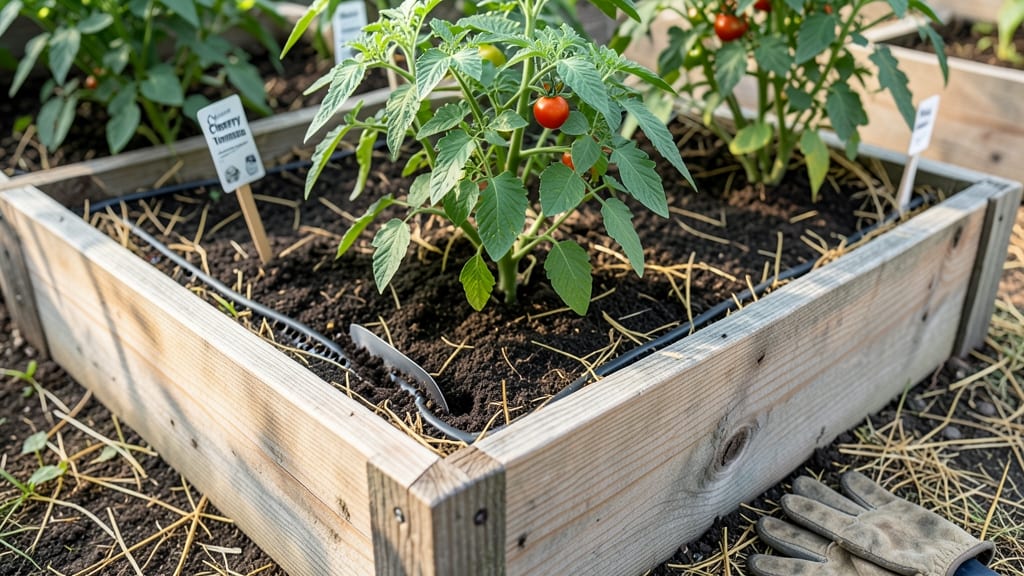
The benefits of raised garden beds include superior drainage, warmer soil that accelerates plant growth, and precise control over soil quality - all of which create healthier plants and higher yields compared to traditional in-ground planting. They also minimize weeds and make gardening more accessible for everyone.
The key advantage of raised garden beds lies in their ability to create an optimal growing environment. 🌱 Unlike in-ground soil, which can become compacted or contaminated, raised beds allow you to customize soil composition with nutrient-rich mixes.
This controlled environment promotes faster root development and reduces water waste by preventing runoff. Plus, the elevated design naturally deters pests while making planting and harvesting easier on your back.
What many gardeners discover is that raised beds extend growing seasons by warming up earlier in spring and staying warmer in fall. This means you can plant cool-season crops like lettuce weeks before traditional planting times.
The improved aeration and moisture control also lead to fewer diseases and stronger plants that produce more abundant harvests.
💡 In This Article
- How Raised Garden Beds Improve Soil Health and Plant Growth
- Top 5 Practical Advantages of Raised Beds for Gardeners
How raised garden beds improve soil health and plant growth
The science behind raised garden beds starts with soil temperature. Elevated beds warm up 10-15°F faster than in-ground soil in spring because they absorb heat from above while being insulated from cooler ground temperatures below.
This accelerated warming lets you plant 2-4 weeks earlier in the season, giving heat-loving crops like tomatoes and peppers a head start. The deeper soil profile (typically 12-18 inches deep) also maintains consistent temperatures throughout the growing season, protecting roots from temperature fluctuations that stress plants.
Moisture control is another game-changer. Raised beds retain 20-30% more water than in-ground plots because the soil mix (usually 60% topsoil, 30% compost, 10% perlite) has better water-holding capacity while allowing excess to drain away. This prevents both drought stress and waterlogged roots.
The layered soil structure mimics natural forest floors, where organic matter decomposes slowly, releasing nutrients in a steady "slow-release" system that feeds plants continuously rather than in sudden spikes like chemical fertilizers. 🌱
Root development thrives in raised beds because the loose, aerated soil requires less energy for roots to penetrate. Plants like carrots and potatoes grow straighter and larger because they're not competing with compacted subsoil.
The increased oxygen levels in raised bed soil also boost microbial activity by 30-50%, creating a more active soil food web that breaks down organic matter more efficiently. This microbial boost translates to better nutrient availability for plants, particularly nitrogen and phosphorus.
One often-overlooked benefit is the reduced competition for nutrients. In-ground gardens often suffer from "nutrient mining" where plants deplete topsoil while deeper layers remain inaccessible.
Raised beds let you create a custom nutrient profile by layering compost, worm castings, and organic matter at the bottom where roots can access it immediately. For example, planting nitrogen-fixers like peas at the bottom layer creates a living fertilizer system as they decompose.
Consider the case of strawberries: in traditional beds, they spread horizontally and compete for space, while in raised beds, they develop deeper roots and produce 40% more berries per plant. The controlled environment also reduces soil-borne diseases by keeping foliage drier and preventing pathogen buildup.
For vegetable gardens, this means fewer instances of blight or root rot that plague in-ground planting.
What most gardeners don't realize is how raised beds create a "microclimate" that extends growing seasons. The elevated structure captures more sunlight during winter months while the insulated sides protect against frost penetration.
This can add 1-2 extra months to your growing season in colder climates, letting you grow cool-season crops like kale well into late fall or even winter with row covers. 🌿