
Flowers
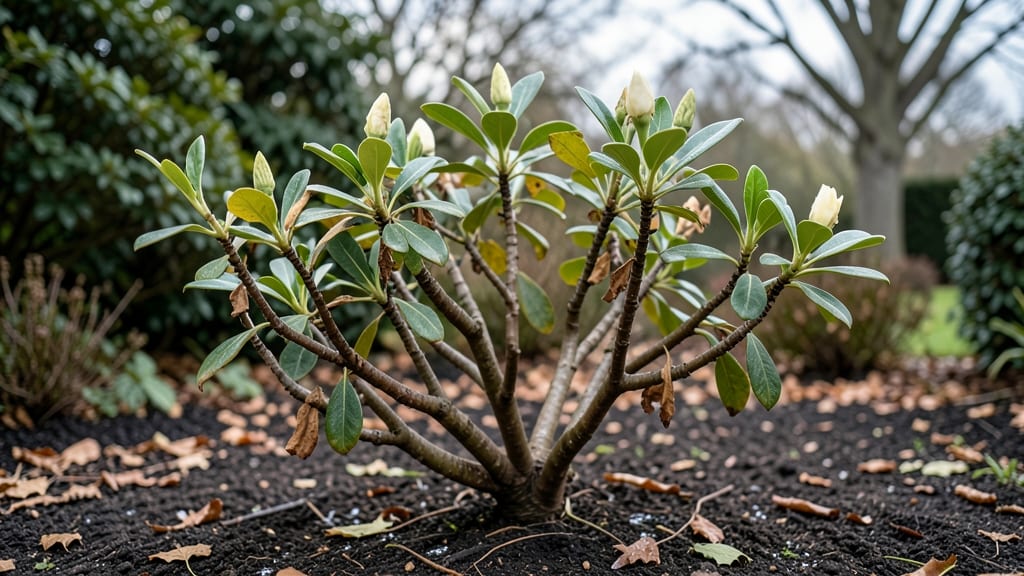
Gardenias in winter often look like they’ve given up—leaves may drop, branches appear bare, and you might mistake them for dead plants.
But here’s the secret: that dormant state is completely normal, especially in USDA Zones 7b-10a, where gardenias 🌸 naturally slow down when temperatures dip. The key is knowing what healthy winter dormancy looks like versus trouble.
In mild climates, your gardenia might keep a few leaves or even hold onto its glossy foliage, while colder zones see more dramatic shedding. The branches, however, often hide dormant buds ready to burst in spring—if you know where to look.
Below, I’ll show you how to spot those subtle signs of life, avoid common winter mistakes, and keep your gardenia thriving until blooming season rolls around again.
Identifying gardenia dormancy: what healthy winter leaves and branches look like
When winter arrives, your gardenia may look dramatically different than it does in spring or summer. Unlike many deciduous plants, gardenias typically retain their leaves through winter, especially in mild climates like USDA Zones 9–11.
However, their appearance changes subtly to signal dormancy. Understanding these healthy winter traits helps you avoid mistaking dormancy for disease or death.
In colder regions (Zones 7–8), gardenias may drop some or all of their leaves before winter, but the branches themselves rarely die back completely. The key is observing the bark texture, bud formation, and overall branch vitality.
A healthy gardenia in winter won’t look shriveled or mushy—it’ll appear resting but alive.
| Feature | Healthy Winter Appearance | Dormant Signs | Red Flags |
|---|---|---|---|
| Leaves | Dark green, slightly thicker; may yellow slightly in cold zones | Retained in mild climates; may drop in frost-prone areas | Brown, crispy, or falling off prematurely |
| Branches | Firm, flexible; slight swelling at bud nodes | No visible damage; may have dormant buds | Brittle, blackened, or oozing sap |
| Bark | Smooth, slightly grayish; no cracks or peeling | Protective layer thickens naturally | Peeling, sunken, or moldy patches |
| Buds | Small, tight, and greenish-brown | Form in late winter for spring blooms | Missing or mushy |
| Growth Tips | Dormant but capable of regrowth | New shoots appear in early spring | Dead or rotting tips |
In mild winter climates (Zones 9–11), gardenias often keep their leaves year-round, though they may look duller or slightly yellowed due to reduced sunlight. The leaves might also feel thicker and leathery—a natural adaptation to conserve moisture.
Check for tiny buds along the branches; these are your gardenia’s way of preparing for spring blooms.
If your gardenia is in a colder zone (7–8), it may drop most of its leaves by late fall. However, the branches should remain sturdy and upright. Gently bend a branch to test flexibility—healthy wood bends slightly without snapping.
Look for swollen nodes where buds are forming; these are critical signs of life beneath the surface.
One of the most common mistakes is assuming yellowing leaves mean the plant is dead. While excessive yellowing can signal nutrient deficiency or disease, a slight yellow tint in winter is often normal.
The real concern arises when leaves turn brown and crispy or fall off suddenly—this could indicate frost damage or root rot.
Pay close attention to the bark texture. Healthy gardenia bark is smooth and slightly grayish, with no peeling or blackened patches. If you notice cracks, mold, or oozing sap, your plant may be stressed or infected.
In this case, inspect the roots for rot or pests, as these issues often start underground before showing above.
Another subtle sign of dormancy is the reduced growth rate. While your gardenia won’t grow much in winter, it’s not completely inactive. Roots continue to absorb moisture, and buds are quietly developing.
To encourage healthy dormancy, mulch around the base with 2–3 inches of organic material like pine bark or shredded leaves. This insulates the roots and protects them from temperature fluctuations.
If your gardenia is potted, winter care changes slightly. Move containers to a sheltered location like a garage or under a porch, away from direct wind and frost.
Ensure the pot has drainage holes to prevent waterlogging, which can cause root rot during dormancy. Water bi-weekly in winter, only enough to keep the soil slightly moist—never soggy.
By spring, your gardenia should show signs of new growth within 4–6 weeks after the last frost. If you’ve followed these dormancy cues, you’ll see bright green leaves and tight buds swelling into beautiful blooms.
If your plant fails to respond, it may need pruning dead branches or a soil p
Common winter mistakes that kill gardenias (and how to avoid them)
Winter can be tricky for gardenias, especially if you’re not familiar with their dormant habits. Many gardeners accidentally kill their plants by reacting to winter changes without understanding what’s normal.
For example, I once saw a gardener prune their gardenia aggressively in December because they thought it was dead—only to realize it was just dormant! Let’s break down the most common mistakes and how to fix them.
One of the biggest errors is over-pruning gardenias in winter. Unlike deciduous plants, gardenias are semi-evergreen and retain some foliage year-round in mild climates. Pruning too late in the season can stimulate new growth that won’t survive frost.
Always wait until early spring (after the last frost) to prune, focusing on dead or crossing branches only.
Another critical mistake is neglecting mulch around the base of your gardenia. A thick layer of 3-4 inches of mulch (like pine straw or shredded bark) insulates the roots from frost and temperature swings.
Without it, roots can freeze, leading to poor spring recovery. I’ve seen gardenias in Zone 8 struggle when mulch was skipped—always replenish it before winter sets in.
⚠️ callout-warning
In mild climates (Zones 9-11), gardenias often keep some glossy, dark green leaves year-round. Look for tight, plump buds along branches—these signal dormancy, not death. In cooler zones (7-8), leaves may yellow and drop, but bark stays intact (healthy bark is smooth and brown, not cracked or blackened).
Red flags: Wilting leaves, mushy stems, or peeling bark mean frost damage—not dormancy.
Ignoring frost protection is another silent killer. Even in Zone 9, a sudden cold snap can damage gardenias. Use burlap wraps or frost cloth to shield the plant, especially if temperatures dip below 28°F.
I’ve covered my gardenias with burlap sacks during unexpected freezes, and they’ve bounced back beautifully in spring.
Finally, many gardeners misdiagnose dormancy as decay. A dormant gardenia might look leggy or sparse, but its roots are still active underground. Avoid fertilizing in winter—this can burn roots and stress the plant.
Instead, focus on watering lightly every 2-3 weeks (unless it’s a drought) and protecting it from wind.
By avoiding these mistakes, your gardenia will recover beautifully in spring. Next time you see bare branches, check for those plump buds—they’re a sign your plant is just taking a nap! With the right care, your gardenia will reward you with fragrant blooms by summer. 🌸