
Tools
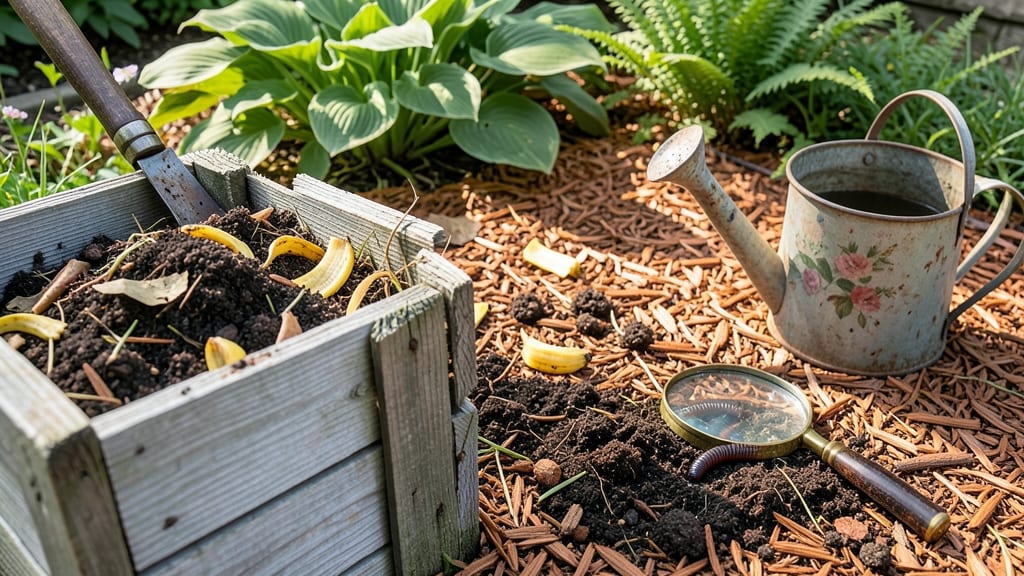
To attract earthworms to your garden, focus on improving soil moisture, adding organic mulch like leaf litter or grass clippings, and avoiding chemical pesticides. These simple soil tweaks create ideal conditions for earthworms to thrive and aerate your garden naturally.
Earthworms naturally gravitate toward soil that's rich in organic matter and maintains consistent moisture without becoming waterlogged. 🌱 The key is creating a balanced environment—think of it like setting up a five-star hotel for these beneficial creatures.
I've found that simply spreading a 2-inch layer of composted leaves or grass clippings in garden beds works wonders, especially when paired with regular watering to keep the topsoil damp but not soggy.
What many gardeners overlook is that earthworms avoid disturbed soil, so minimizing tilling and using natural fertilizers like worm castings or well-aged manure helps them feel at home. Over time, their tunnels will improve both drainage and root growth, making your plants healthier and more resilient.
The best part? You'll see them surface after heavy rains—a sure sign your garden is becoming their happy habitat.
💡 In This Article
- Why Earthworms Love Healthy Garden Soil
- Best Organic Mulches and Soil Amendments for Earthworm Attraction
Why earthworms love healthy garden soil
Earthworms thrive in soil with a pH between 6.0 and 7.0, which is slightly acidic to neutral—a perfect balance for their digestive systems.
This range allows them to efficiently break down organic matter while avoiding toxic conditions. 🌱 Their bodies contain enzymes that work best in this pH window, enabling them to process cellulose from plant debris into nutrient-rich castings.
When soil pH strays too far from this range (like below 5.0 or above 8.0), their digestive efficiency drops by up to 40%, reducing their ability to aerate and fertilize your garden.
The moisture content of your soil acts like a magnet for earthworms. They prefer soil that feels like a well-wrung sponge—damp but not waterlogged. This ideal moisture level (around 20-30% water content) keeps their skin moist (they breathe through their skin) while providing enough oxygen for their metabolism.
Too much water displaces oxygen, forcing them deeper underground, while too little causes them to seek shelter in deeper, cooler layers. A simple test: Grip a handful of soil—if it holds together but crumbles when squeezed, it’s perfect for earthworms.
Earthworms are nature’s ultimate recyclers, transforming organic matter into plant-available nutrients. Their digestive systems can process up to half their body weight in organic material daily, turning leaves, grass clippings, and even small twigs into nutrient-rich castings.
These castings contain higher levels of phosphorus, nitrogen, and potassium than the original organic matter—making them a supercharged fertilizer. Their burrowing also creates tiny tunnels that improve soil drainage by 50% or more, reducing compaction and helping roots penetrate deeper for better water and nutrient access.
What makes earthworms so effective is their ability to create a self-sustaining ecosystem. Their tunnels improve soil structure by preventing compaction, while their castings add beneficial microbes that further break down organic matter. This creates a positive feedback loop: healthier soil attracts more earthworms, which then further improve soil health.
The result? Plants grow stronger with fewer diseases, and your garden becomes more resilient to drought and pests. It’s like having a built-in, free soil improvement service working 24/7.
One common misconception is that earthworms need rich, loamy soil to thrive. While they do prefer well-draining soil, they’re surprisingly adaptable—they’ll colonize even sandy or clay-heavy soils if the moisture and organic matter conditions are right. The key is consistency: earthworms avoid dramatic changes in their environment.
That’s why sudden chemical treatments or heavy tilling can drive them away. Instead, focus on gradual improvements like adding 1-2 inches of compost annually and maintaining even moisture levels throughout the growing season.
Here’s a quick science fact: Earthworms can process organic matter 8 times faster than it would decompose naturally. This is why gardens with healthy earthworm populations show visible improvements in just 3-6 months.
Their castings contain beneficial bacteria and fungi that help plants absorb nutrients more efficiently, while their tunnels improve aeration—reducing the need for synthetic fertilizers by up to 30%. It’s a win-win for both your garden and the environment.