
Planting
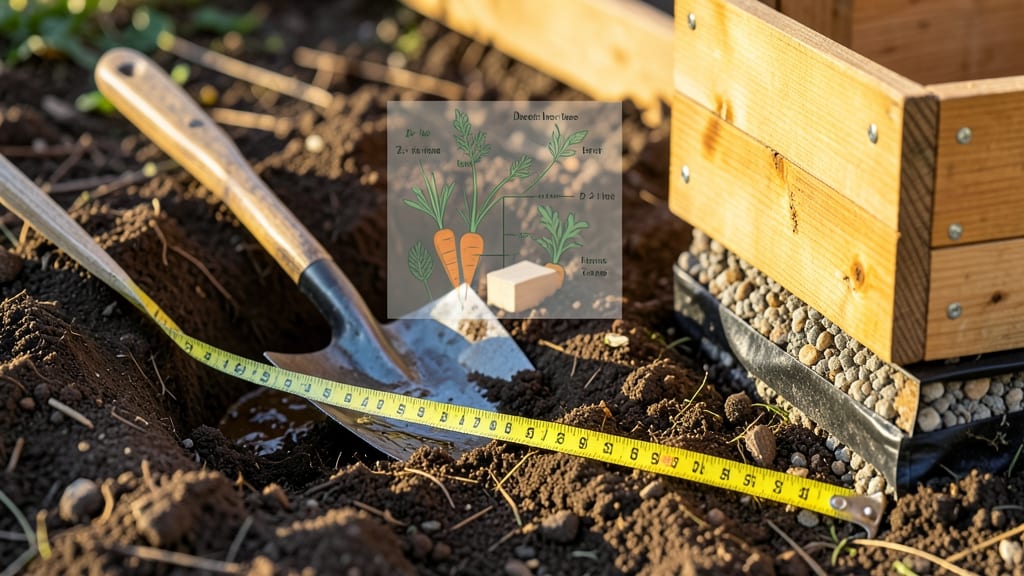
To determine how deep a raised garden bed needs to be, aim for at least 6 to 12 inches for most vegetables, herbs, and shallow-rooted plants, while deeper-rooted crops like tomatoes and carrots require 12 to 18 inches. Proper depth ensures better drainage, richer soil quality, and stronger root development for healthier plants.
A raised garden bed's depth directly impacts plant health by accommodating root systems and improving soil conditions. 🌱 Most leafy greens and herbs thrive in 6 to 12 inches of soil, while root vegetables like carrots and potatoes need 12 to 18 inches to develop fully.
The extra depth also prevents compaction and allows for better moisture retention, which is especially important during dry spells. I've found that adding a layer of compost at the bottom creates a nutrient-rich foundation that encourages robust growth from the start.
For those working with existing beds, you can modify depth by adding soil layers or using raised bed frames that extend higher. This approach is cost-effective and avoids the need for complete reconstruction.
Just remember that deeper beds require more soil, which means planning for proper drainage and soil quality from the beginning. The right depth makes all the difference in your garden's success! 🌿
💡 In This Article
- Root Depth Requirements for Different Plant Types
- Building the Perfect Raised Bed: Depth and Soil Considerations
Root depth requirements for different plant types
Root systems vary dramatically between plant types, and this variation directly determines how deep your raised bed needs to be. Shallow-rooted plants like lettuce, spinach, and herbs such as basil and parsley typically thrive in just 6 to 8 inches of soil.
Their fibrous root networks spread horizontally to absorb nutrients and moisture efficiently. In contrast, deep-rooted vegetables like carrots, parsnips, and tomatoes need 12 to 18 inches to develop fully, as their taproots grow vertically to access water and nutrients from deeper soil layers.
The difference becomes clear when you consider how roots function. Shallow roots maximize surface area near the topsoil, where organic matter and microbial activity are highest.
For example, a radish might only need 6 inches to mature, while a carrot's edible portion can extend 12 to 16 inches underground. 🌱 This depth requirement isn't arbitrary—it's tied to the plant's natural growth pattern and nutrient needs.
Tomatoes, for instance, develop strong taproots that anchor the plant and access nutrients beyond the reach of shallower systems.
Herbs like rosemary and thyme also have unique root structures. While they don't require deep beds, their woody roots can spread wide, making a 12-inch-deep bed ideal for long-term growth. The extra depth allows these perennial herbs to establish strong root systems that persist through multiple growing seasons.
This is why many gardeners opt for deeper beds when planting perennial crops—it ensures stability and longevity.
When planning your raised bed, consider the mature size of your plants. A 6-inch bed might work for quick-harvest crops like bush beans or radishes, but adding 2 to 4 extra inches can make a significant difference for crops like peppers or eggplants, which benefit from deeper soil.
The key is matching the bed depth to the plant's root system, not just its above-ground growth.
For flowers, the depth needs vary too. Annuals like marigolds or zinnias often thrive in 8 to 10 inches, while perennials like lavender or Russian sage may need 12 to 18 inches to establish deep roots.
The deeper the bed, the more stable the plant, especially in windy conditions or during drought. This stability translates to healthier plants that require less maintenance and produce better yields.
One common mistake is assuming all vegetables have similar depth needs. For example, while lettuce and carrots are both root vegetables, their root structures couldn't be more different.
Lettuce has a shallow, fibrous root system, while carrots develop a long, tapered taproot. 🥕 Understanding these differences allows you to optimize your raised bed layout for maximum productivity.