
Advice
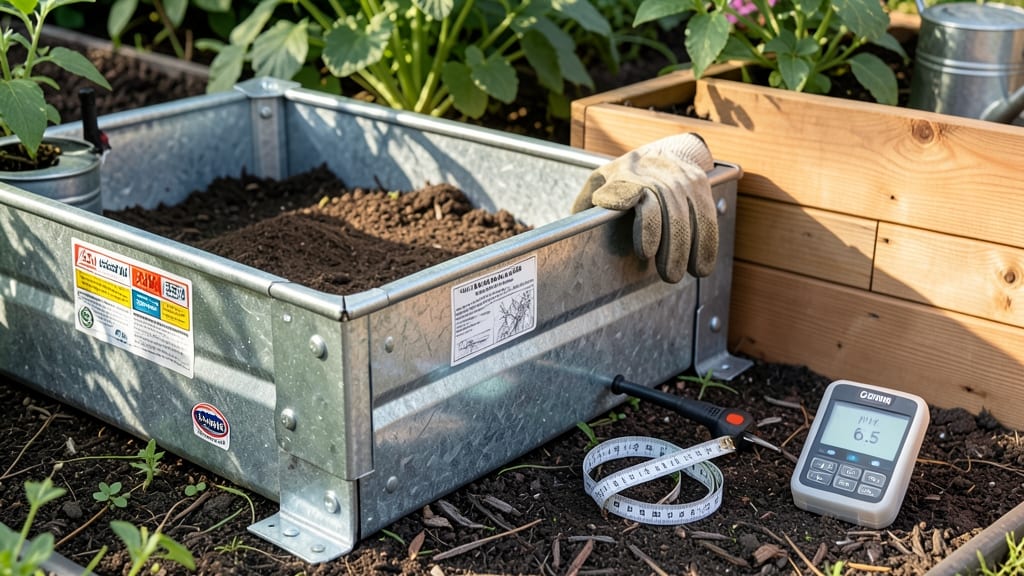
Metal raised garden beds are safe for growing plants when constructed from non-toxic materials like galvanized steel or food-grade aluminum, and properly lined to prevent soil contamination or overheating roots. Avoid treated wood or low-quality coatings that may release harmful chemicals.
Using metal raised garden beds can actually improve plant health when done right. 🌱 The key lies in material selection—high-quality galvanized steel or food-grade aluminum won't leach toxins, while cheaper metals may corrode over time.
I've seen firsthand how proper lining (like heavy-duty landscape fabric) prevents soil loss while allowing drainage. For temperature-sensitive crops, adding insulation layers helps maintain stable root zones, especially in hot climates where metal can become dangerously warm.
What many gardeners overlook is the crop compatibility factor. Shallow-rooted plants like lettuce or herbs thrive in metal beds, while deep-rooted varieties may struggle due to limited depth. Regular maintenance—checking for rust spots and refreshing coatings—keeps your garden both productive and safe.
The right setup turns metal beds into a durable, low-maintenance growing solution that outperforms many alternatives.
💡 In This Article
- Material Safety: Comparing Metal Types for Raised Beds
- Maximizing Plant Growth in Metal Raised Beds
Material safety: comparing metal types for raised beds
Not all metals are created equal when it comes to raised bed gardening. Galvanized steel, the most common choice, gets its safety from a zinc coating that prevents rust and corrosion.
This coating creates a barrier between the metal and soil, but it can degrade over time—especially in acidic soils where zinc may leach at a rate of about 0.05-0.1 mg/cm²/year.
Food-grade aluminum, another top option, has naturally low reactivity and won't introduce harmful chemicals, though it conducts heat differently than steel.
Copper, often used for its antimicrobial properties, poses minimal risk but can release copper ions into the soil over decades, potentially affecting sensitive plants. The real danger comes from low-quality metals like zinc-coated steel or certain alloys containing chromium or cadmium.
These can leach toxic levels of heavy metals when exposed to moisture and temperature fluctuations, with cadmium being particularly problematic as it accumulates in plant tissues and can enter the food chain.
Temperature conductivity is where metal beds reveal another critical safety factor. Steel and aluminum conduct heat rapidly, which means roots can overheat on sunny days—especially when soil temperatures exceed 90°F.
This is why metal beds often require insulation layers (like straw or bubble wrap) to maintain root-zone temperatures between 60-75°F, the ideal range for most vegetables. The heat transfer difference between metals is stark: aluminum heats up 20% faster than steel due to its higher thermal conductivity.
What most gardeners don't realize is how coatings interact with soil pH. Acidic soils (pH < 6.0) accelerate zinc leaching from galvanized steel, while alkaline soils (pH > 7.5) can cause aluminum to oxidize more quickly. This is why testing your soil's pH before choosing materials is essential—it directly impacts how long your bed will remain safe.
For example, in a pH 5.5 soil, zinc leaching can increase by 30% compared to neutral pH.
Visual inspection is your first line of defense. Look for signs of coating degradation like white rust on galvanized steel or dull spots on aluminum. These indicate the protective layer is breaking down, increasing exposure risk.
Regular maintenance—like applying a fresh coat of food-safe sealant every 2-3 years—can extend your bed's safe lifespan significantly. The right metal choice, combined with proper maintenance, transforms potential risks into a durable, low-maintenance growing solution.
For those concerned about aesthetics or weight, copper remains a premium option despite its cost. Its natural patina actually becomes more protective over time, reducing long-term leaching risks. However, the initial investment is 2-3 times higher than galvanized steel, making it less accessible for large garden setups. 🔥