
Tools
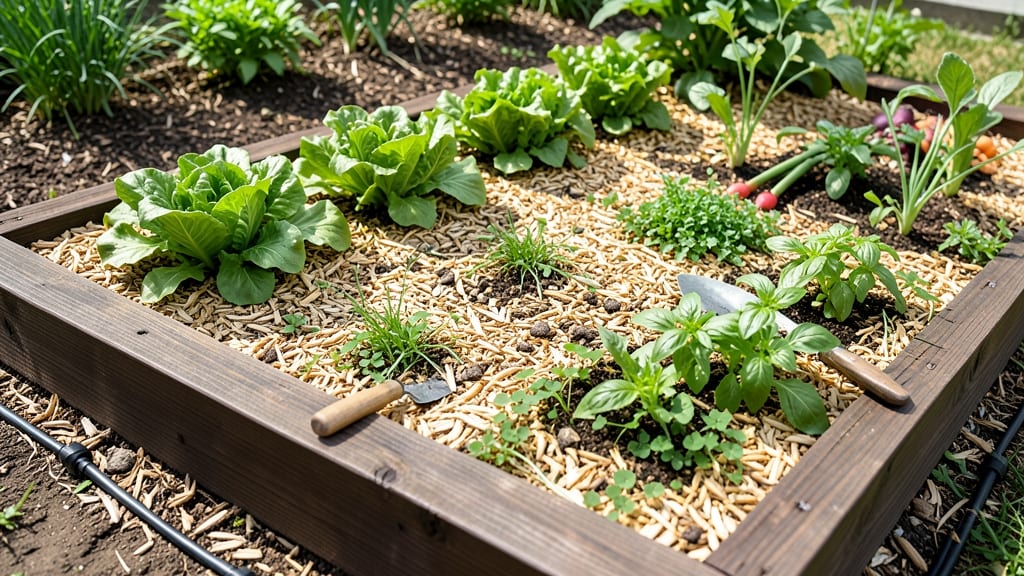
Using wood chips on a vegetable garden creates a natural weed barrier, locks in moisture, and repels pests like slugs while gradually breaking down to boost soil fertility. Opt for untreated, coarse chips for the best results.
Wood chips work like a living mulch—blocking sunlight to prevent weed seeds from germinating while their coarse texture allows water to penetrate the soil below. 🌱 Over time, they decompose into nutrient-rich humus, improving soil structure without the risk of compacting like plastic mulches.
I’ve noticed hardwood chips (like oak or maple) break down slower than softwoods, making them ideal for long-term coverage, while cedar should be avoided due to its natural oils that can inhibit plant growth.
The key is applying a 2-4 inch layer around plants, keeping it 2-3 inches away from stems to prevent rot. Refresh the mulch annually—when it reaches about 1 inch thick, it’s time to add more.
This method not only saves water but also creates a microclimate that deters pests naturally, reducing the need for chemical interventions.
💡 In This Article
- How Wood Chips Improve Vegetable Garden Soil Health
- Best Wood Chip Types and Application Tips for Vegetable Gardens
How wood chips improve vegetable garden soil health
Wood chips act as a slow-release fertilizer because they're rich in carbon, which microbes in the soil need to break down organic matter. As they decompose, they release nutrients like phosphorus and potassium while improving soil structure by creating air pockets that enhance root growth.
This process mimics natural forest ecosystems where fallen leaves and branches gradually enrich the soil over time. The decomposition rate varies—hardwood chips (like oak or maple) can take 2-4 years to fully break down, while softwoods (such as pine) decompose faster but may acidify the soil if used excessively.
The moisture retention magic happens through a process called capillary action. Wood chips create a protective layer that slows evaporation by 30-50% compared to bare soil, meaning your plants stay hydrated with less watering.
The coarse texture also allows rainwater to penetrate while preventing runoff, which is especially valuable in dry climates. Think of it like a natural sponge—it holds moisture near the roots where plants need it most, reducing stress on your vegetables during hot spells. 💧
One of the most underrated benefits is how wood chips deter pests naturally. The rough surface disrupts the movement of slugs and ants, while the slightly acidic environment (especially with hardwoods) makes it inhospitable for many garden pests.
Unlike chemical repellents, this method works silently—no need for sprays or traps. Over time, the decomposed chips also create a crumbly, well-aerated soil that improves drainage while retaining essential nutrients, creating an ideal environment for vegetable growth.
However, not all wood chips are created equal. Softwoods like pine or cedar contain natural oils and resins that can slow decomposition and even inhibit plant growth if used in excess. These oils create a hydrophobic layer that repels water, which can actually increase drought stress rather than alleviate it.
For vegetable gardens, stick to untreated hardwood chips from sources like oak, maple, or beech—these break down predictably and provide consistent benefits without the drawbacks.
The long-term effects are what truly set wood chips apart. After just 6-12 months, you'll notice soil that's darker, looser, and more fertile—ideal for root vegetables like carrots and potatoes. The organic matter from decomposed chips also helps prevent soil compaction, which is crucial for maintaining healthy microbial activity.
This is why professional gardeners often recommend wood chips as the gold standard for organic mulching systems, especially in intensive vegetable production.
For best results, combine wood chips with nitrogen-rich materials like compost or grass clippings in a 30:1 carbon-to-nitrogen ratio. This balance speeds up decomposition while preventing the soil from becoming too acidic. The combination creates a self-sustaining ecosystem where your vegetables thrive with minimal intervention. 🌱