
Tools
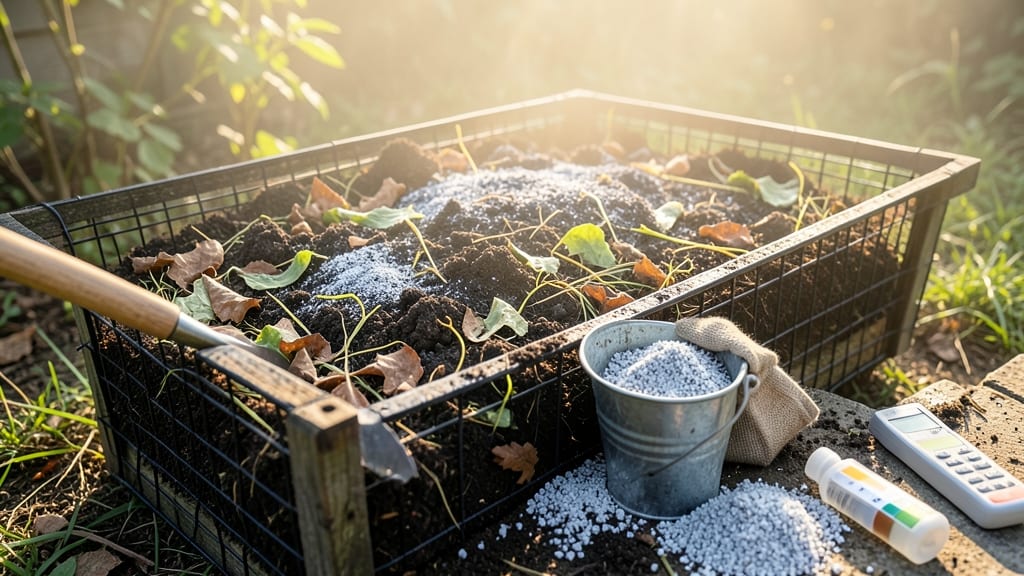
Using wood ashes in garden improves soil pH, suppresses weeds, and provides potassium, but must be applied carefully to avoid over-alkalizing or burning plants. Spread thinly in fall or early spring, avoiding direct contact with stems or roots.
Wood ash works like a natural fertilizer because it contains potassium and calcium, both essential for plant growth.
When you sprinkle it lightly over acidic soil, it raises the pH level, creating a more alkaline environment that many vegetables and perennials thrive in. 🌱 The potassium boost also strengthens root systems and improves flower production.
Unlike chemical fertilizers, wood ash releases nutrients slowly, making it a sustainable choice for long-term soil health.
For best results, I recommend mixing wood ash into the top inch of soil rather than leaving it on the surface. This prevents it from blowing away and ensures even distribution. Always test your soil pH first—if it's already alkaline, wood ash could make it too harsh for sensitive plants.
A light application (about 1/4 inch) every few months is usually sufficient, but avoid using it on nitrogen-loving plants like potatoes or tomatoes.
💡 In This Article
- How Wood Ashes Raise Soil pH and Fertilize Plants
- Best Practices for Applying Wood Ashes in Gardens
How wood ashes raise soil pH and fertilize plants
Wood ash primarily raises soil pH by neutralizing acidity through its high calcium carbonate content, which reacts with hydrogen ions in acidic soil to form water and carbon dioxide.
This chemical process converts harsh acidic environments (pH <6.5) into more neutral or slightly alkaline conditions (pH 6.5-7.5), ideal for many vegetables like peppers, beans, and lettuce. The potassium content—typically 3-5% by weight—also plays a crucial role by improving water absorption in plant roots and enhancing photosynthesis.
Unlike agricultural lime (calcium carbonate), which takes months to years to adjust pH, wood ash works almost instantly when mixed into the soil. However, the effect is temporary—about 1-2 years—since rain can leach away the soluble minerals.
The ash also introduces trace minerals like magnesium and phosphorus, though these are present in much smaller amounts. What's fascinating is how ash interacts with soil microbes: it creates a slightly more oxygen-rich environment that benefits beneficial bacteria while suppressing some fungal pathogens.
For comparison, wood vinegar (a liquid fertilizer made from wood ash) offers similar pH-balancing benefits but in a more controlled, dilute form. While vinegar can be applied directly to foliage, ash must always be incorporated into the soil to avoid phytotoxicity.
The key difference lies in their application methods: ash is a dry amendment best suited for soil incorporation, whereas vinegar can be sprayed as a foliar treatment. Both, however, share the advantage of being organic and free from synthetic chemicals.
One critical factor is the type of wood burned. Hardwood ashes (oak, maple) contain higher calcium and potassium levels than softwood ashes (pine, cedar), which may leave behind more toxic compounds like phenols. Always use only untreated, untreated wood ash—never from painted furniture or chemically treated wood.
The ash should also be cool to the touch before application, as heat can destroy beneficial soil microbes and burn plant roots.
When testing soil pH, aim for a target range of 6.0-7.0 for most garden plants. Wood ash can raise pH by 0.5-1.0 points per application, so start conservatively with 1/4 inch spread over 100 square feet and monitor results.
Overapplication can create a highly alkaline environment that locks out essential nutrients like iron and manganese, leading to yellowing leaves—a condition called chlorosis.
The science behind wood ash's weed suppression comes from its alkaline nature, which disrupts the germination of many weed seeds. The high pH creates an unfavorable environment for weeds like crabgrass and chickweed, which prefer acidic conditions.
This makes wood ash a dual-purpose amendment: it improves soil health while naturally reducing weed pressure. 🌱