
Planting
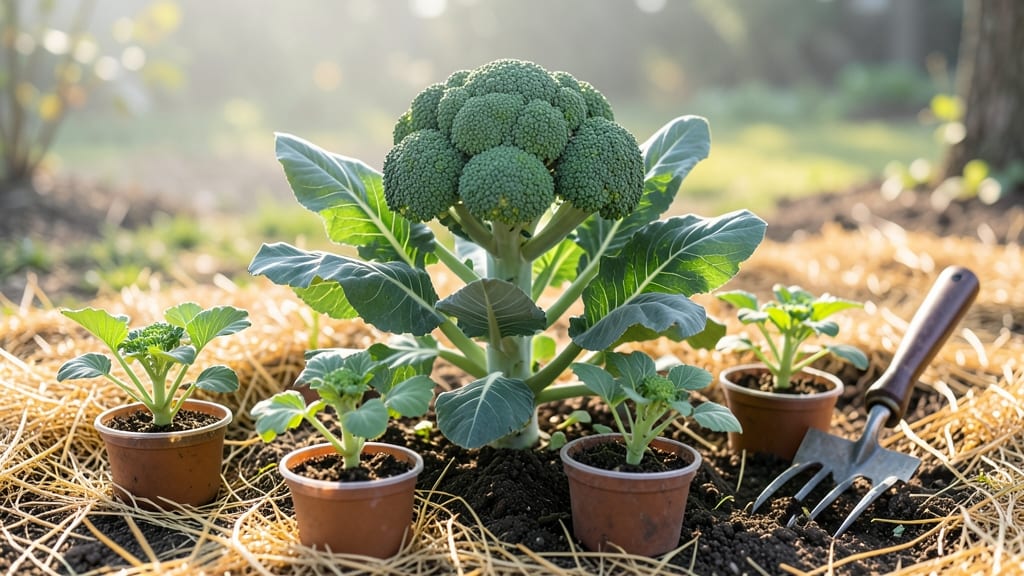
Planting your fall garden in NC between mid-August and mid-September is the key to harvesting crisp greens, hearty roots, and sweet potatoes before the first frost.
North Carolina’s fall gardening season is short but sweet—plant too early, and your crops bolt; too late, and frost ruins them. Timing is everything, especially in Zones 7b-8a where summer heat lingers but winter chill arrives fast.
If you’ve ever watched your broccoli turn bitter or your kale bolt in the heat, you know how quickly things go wrong when you miss the window. The good news? With the right schedule, you can enjoy fresh 🌽🥕🍠 from October through December—just in time for holiday meals.
Below, I break down the exact week-by-week timeline for planting cool-season crops, adjusting for microclimates, and avoiding late-season pests like squash bugs. Ready to get growing?
Fall planting calendar for NC Zones 7b-8a: exact weeks by crop type
Timing your fall garden in North Carolina’s Zones 7b-8a means balancing summer’s lingering heat with winter’s early frost. The average first frost arrives between October 25 and November 15, but microclimates can shift this by 2-3 weeks.
To maximize yields, start planning by mid-August—this gives cool-season crops like broccoli and kale enough time to mature before frost. I’ve broken down the ideal week-by-week windows for vegetables, herbs, and flowers based on soil temps and regional averages.
Soil temperatures below 70°F signal it’s time to transition from summer crops to cool-season plants. Use a soil thermometer to confirm—most fall crops thrive in 55-65°F soil.
In Zone 8a, you’ll have a slightly longer window (up to November 1 for fast growers), while Zone 7b gardeners should prioritize earlier plantings by mid-September to avoid frost damage. My weekly schedule below aligns with NC State Extension’s frost data and local gardener feedback.
Pro Tip: Harden off transplants for 7-10 days before planting to prevent shock. Acclimate them gradually to cooler nights and brisk winds by moving them outdoors for increasing durations each day. This step is critical for leafy greens and herbs, which bolt quickly when stressed.
| Crop Type | Planting Window (NC Zones 7b-8a) | Soil Temp Requirement | Days to Harvest | Notes |
|---|---|---|---|---|
| Leafy Greens (Lettuce, Spinach, Kale) | Late July–Early Sept | 55–65°F | 30–50 days | Sow directly; succession plant every 2 weeks |
| Root Vegetables (Carrots, Radishes, Beets) | Mid-Aug–Mid-Sept | 60–70°F | 40–70 days | Loosen soil to prevent forking; radishes bolt fast |
| Brassicas (Broccoli, Cabbage, Cauliflower) | Early Aug–Late Aug | 60–68°F | 60–90 days | Start indoors 6–8 weeks before transplanting |
| Herbs (Cilantro, Dill, Parsley) | Late July–Early Sept | 50–60°F | 30–60 days | Cilantro bolts quickly; harvest leaves early |
| Flowers (Pansies, Snapdragons, Calendula) | Mid-Aug–Mid-Sept | 55–65°F | 45–75 days | Pansies tolerate light frost; deadhead for longer blooms |
For Zone 7b, prioritize early August plantings of slow-maturing crops like broccoli and cabbage, as your frost window closes sooner. In Zone 8a, you can extend plantings into early October for faster growers like radishes and lettuce.
I recommend marking your calendar for September 15 as the last call for transplanting cool-season vegetables—after this, direct sowing is your best bet for a fall harvest.
Don’t overlook soil preparation—amend beds with compost or aged manure in early August to improve drainage, which is critical in NC’s clay-heavy soils. A pH of 6.0–7.0 is ideal for most fall crops. Test your soil now to avoid last
How to adjust your planting timeline based on microclimates in NC
North Carolina’s diverse geography means your neighbor’s perfect fall planting window might be too early or late for your garden. Elevation changes of just 1,000 feet can shift your first frost by 2-3 weeks, while urban heat islands can delay cooling by 10+ days.
Understanding these microclimates helps you avoid bolting lettuce or frost-damaged broccoli.
Start by identifying your specific microclimate zone. The Mountains (Zone 6b) experience earlier frosts than the Piedmont (Zone 7b), while the Coastal Plain (Zone 8a) often stays warmer longer. Even within cities, heat-trapping pavement can create pockets where plants thrive 2 weeks longer than rural areas.
⚠️ WARNING: Microclimates Can Shift Your Planting Window by 2-4 Weeks ⚠️
- Mountains (Asheville): First frost often arrives by October 15—plant heat-loving crops like kale by August 15 for harvests.
- Piedmont (Raleigh): Average first frost is November 1, giving you 2 extra weeks for slower growers like broccoli.
- Coastal (Wilmington): Mild winters delay frost until November 15+, extending your window for spinach and carrots.
Use local weather tools to fine-tune your schedule. The NC State Climate Office provides hyper-local frost predictions, while apps like PlantNet overlay satellite heat maps to spot urban microclimates.
For example, if your garden sits in a south-facing slope, it may stay 5°F warmer than flat ground, delaying frost by 10 days.
Adjust your crop selection based on microclimates. In cooler mountain zones, prioritize fast-maturing varieties like ‘Quick Bolt’ radishes (25 days). In warmer coastal areas, opt for slower growers like ‘Winter Density’ kale (60+ days). Always plant succession crops every 2 weeks to hedge against early frosts.
Test your microclimate’s readiness with a simple soil thermometer check. Ideal fall planting soil temps should be 60-70°F. If your garden runs 10°F warmer than the average, delay planting heat-sensitive crops like lettuce by 1 week to avoid bolting.
For frost-sensitive plants like basil, use row covers to extend your window by 3-4 weeks.
Pro tip: Create a microclimate journal this fall. Record your first frost date, soil warm-up times, and crop performance. Next year, use this data to adjust your planting timeline with precision—no more guesswork, just data-driven gardening! 🌱