
Planting
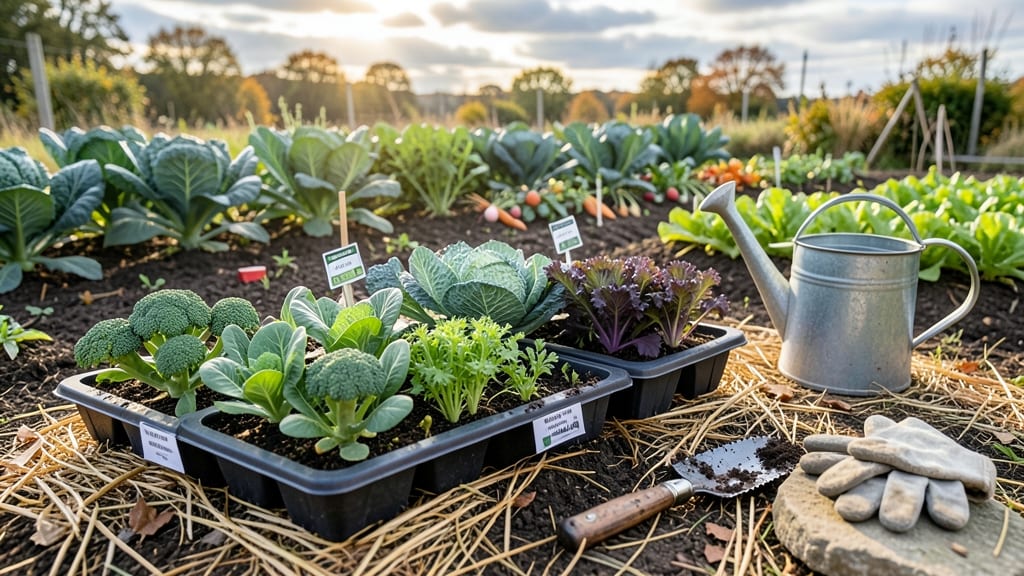
Planting your fall garden in Missouri between mid-August and mid-September ensures a bountiful harvest before the first frost hits.
Missouri’s unpredictable fall weather can make or break your harvest—planting at the wrong time risks stunted growth or total crop loss from early frosts. But timing your 🌽 Fall Garden Vegetables correctly means enjoying fresh vegetables well into winter.
With USDA zones 5b-6b and average first frosts in mid-October, you’ve got a narrow window to get cool-season crops like broccoli, spinach, and carrots in the ground. The key is knowing exactly when to start seeds indoors or transplant seedlings for each variety.
In this guide, I’ll break down the best planting dates by crop, share regional frost adjustments, and show you how to extend your harvest with simple tricks like row covers. Let’s get those Fall Garden Vegetables growing!
Missouri’s fall planting timeline: first frost dates by region
Missouri’s fall planting success hinges on understanding your local frost dates, which vary dramatically across the state’s three distinct regions. The Northwest (USDA Zone 5b) often sees its first frost by October 15th, while the Central region (Zone 6a) typically holds off until October 25th.
In the Southeast (Zone 6b-7a), you might delay planting until November 5th in some areas. These differences mean your planting window shifts by weeks depending on where you live.
For cool-season crops like broccoli and spinach, timing is everything. Plant too early, and your seedlings may bolt before harvest. Plant too late, and a hard freeze will kill tender greens.
The 4-6 week rule applies here: count backward from your average first frost date to determine when to sow seeds or transplant seedlings. For example, if frost hits October 20th, aim to plant by September 5th for a full harvest.
Missouri’s microclimates add another layer of complexity. Urban areas like St. Louis and Kansas City often experience earlier frosts due to concrete heat absorption, while rural agricultural zones may enjoy 5-7 extra frost-free days.
Check your local weather station or use the Missouri Botanical Garden’s frost tracker to refine your planting schedule. Even a 5-day delay can mean the difference between a bountiful harvest and wilted disappointment.
| Region | USDA Zone | Avg. First Frost | Planting Window | Key Crops |
|---|---|---|---|---|
| Northwest | 5b (-15°F) | October 10-15 | August 15 - September 10 | Broccoli, Kale, Radishes |
| Central | 6a (0°F) | October 20-25 | August 20 - September 15 | Spinach, Carrots, Lettuce |
| Southeast | 6b-7a (5°F-10°F) | November 1-5 | August 25 - October 1 | Collards, Turnips, Brussels Sprouts |
In Northern Missouri, where frosts arrive earliest, focus on fast-maturing varieties like baby leaf lettuce (30 days) or radishes (25 days). These crops can tolerate light frosts and still deliver flavorful harvests.
Meanwhile, Southern Missouri gardeners can afford to plant longer-season crops like Brussels sprouts (90 days) or kale (60 days), knowing they’ll have extra time before winter sets in. Always prioritize cold-hardy varieties—labels like “Winterbor” or “Winter Density” indicate frost tolerance.
Don’t let urban myths about Missouri’s climate fool you. Just because your neighbor in Columbia had a late frost one year doesn’t mean you should delay planting. Historical averages are your best guide, but local observations matter too.
For instance, if your elevated garden bed stays warmer than the surrounding soil, you might push planting dates by 3-5 days. Similarly, low-lying areas or valleys often experience earlier frosts, so adjust accordingly. When in doubt, use row covers or cold frames to extend your growing season.
For seedlings purchased from nurseries, check the packaging for “days to maturity” and work backward from your frost date. If a broccoli variety takes 70 days to harvest and your frost arrives October 20th, plant by August 11th.
Pro tip: Succession planting every 2 weeks ensures a steady supply of fresh greens. For example, sow spinach on August 15th, August 29th, and September 12th to enjoy harvests through November. This strategy maximizes your garden space and minimizes waste.
Missouri’s fall planting doesn’t end with frost dates—it’s about soil preparation too. Before sowing, amend
Best fall crops for Missouri and their ideal planting windows
Missouri’s fall garden thrives when you plant cool-season crops like Brussels sprouts and kale at the right time. These vegetables tolerate light frosts and even improve in flavor after a chill.
The key is starting seeds or transplants 4-6 weeks before your area’s average first frost, which typically falls between mid-October and early November across the state.
For northern Missouri (USDA zones 5b-6a), aim to plant by late July to early August for a late fall harvest. Central and southern Missouri (zones 6b-7a) can extend planting until mid-September.
This timing ensures crops mature before winter sets in, but not so early that they bolt or become bitter from summer heat.
- 1 Brussels Sprouts: Plant mid-July to early August (North MO) or August to mid-September (South MO). Harvest 60-90 days later, even after light frost. Risk vs. reward: Slow growers but 3x more flavor after frost!
- 2 Carrots: Sow late July to early September. Choose short-day varieties like 'Danvers' for best results. Harvest before hard frost (use row covers to extend season). Risk: Bolting if planted too early; reward: Sweet, crisp roots!
- 3 Lettuce: Plant late July through September in partial shade to prevent bolting. Harvest 30-50 days later. Risk: Bitter if too hot; reward: Cut-and-come-again harvests for months!
- 4 Spinach: Sow late August to early September. Prefers cool temps (40-70°F). Harvest leaves when 4-6 inches tall. Risk: Flea beetles; reward: Nutrient-dense greens!
- 5 Radishes: Plant every 2 weeks from August to September for 30-day harvests. Fastest crop—great for beginners! Risk: Overcrowding; reward: Ready in 4 weeks for quick wins!
Don’t overlook herbs like cilantro and parsley, which also thrive in fall. Plant them late August to early September for harvests before winter. For extending harvests, use low tunnels or cold frames to protect crops like kale and Brussels sprouts until December in most of Missouri.
Pro tip: Hardening off seedlings for 7-10 days before transplanting prevents shock. Gradually expose them to fall’s cooler temps and wind by placing them outdoors during the day and bringing them in at night. This boosts survival rates by up to 40%.
If you miss the ideal window, don’t despair—succession planting every 2-3 weeks ensures a steady supply. For example, sow radishes in late August, then again in early September for a two-week harvest gap coverage. This strategy maximizes your fall garden’s productivity despite Missouri’s unpredictable weather.