Planting
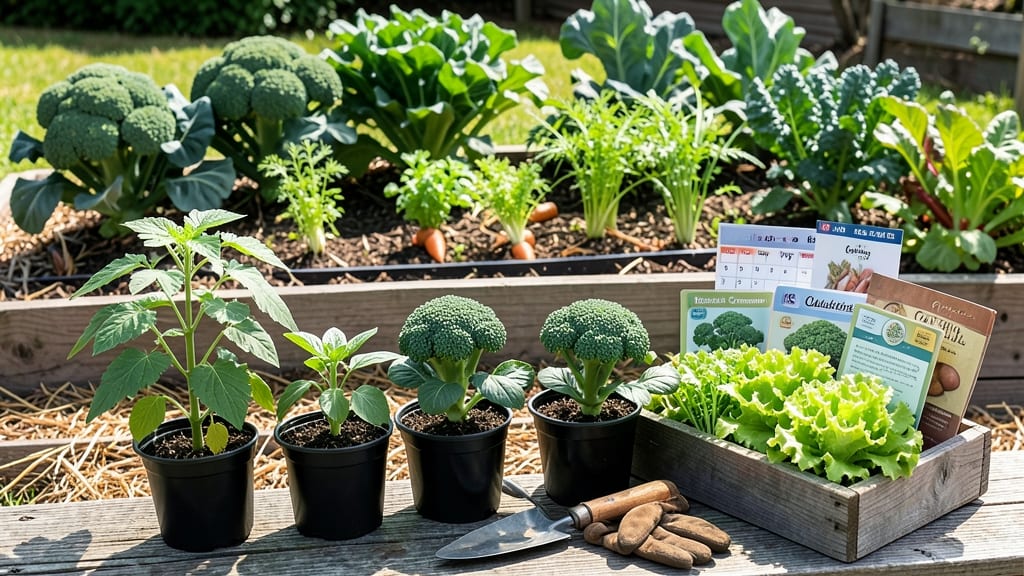
Planting your garden in North Carolina at the right time means the difference between a thriving harvest and a sad, frost-nipped failure.
Here’s the truth: North Carolina’s climate isn’t one-size-fits-all—Coastal areas, the Piedmont, and the Mountains all have their own frost-free windows. Miss them, and you’re left with wilted seedlings or stunted veggies, no matter how much you love gardening.
Below, I break down the exact frost-free dates by region, so you can align your planting schedule with your local microclimate. Whether you’re sowing warm-season tomatoes or cool-loving kale, timing is everything.
You’ll learn how to read frost maps, adjust for elevation, and pick the best planting windows for your favorite crops—plus the 5 mistakes that derail even the most well-intentioned NC gardeners.
North Carolina frost-free zones: how your location affects planting dates
North Carolina spans USDA Hardiness Zones 5b through 8a, creating dramatic differences in frost dates from the Coastal Plain to the Mountains. These zones determine your last spring frost and first fall frost, which are critical for scheduling warm-season crops like tomatoes and peppers.
For example, Asheville (Zone 7a) has an average last frost date of April 15, while Wilmington (Zone 8a) may see frost-free conditions by February 15. Understanding your zone helps you avoid planting too early and risking frost damage.
Your exact planting dates depend on whether you're growing cool-season crops (like lettuce and spinach) or warm-season crops (like peppers and okra). Cool-season plants thrive in spring and fall, while warm-season plants need consistent soil temperatures above 60°F.
Even within the same zone, microclimates—like urban heat islands or sheltered valleys—can shift your frost dates by 1-3 weeks. For instance, a south-facing slope in the Piedmont may warm up faster than a north-facing yard.
Here’s how North Carolina’s three main regions differ in their frost-free windows:
| Region | USDA Zone | Avg. Last Frost | Avg. First Frost | Frost-Free Window | Planting Tip |
|---|---|---|---|---|---|
| Coastal Plain | 8a | February 15 | December 1 | 9.5 months | Start warm-season crops by March 1 |
| Piedmont | 7a-7b | April 1 | November 15 | 7 months | Wait until April 15 for heat-lovers |
| Mountains | 5b-6b | May 1 | October 15 | 5.5 months | Use row covers for early crops |
If you’re unsure of your exact last frost date, check the NC State Climate Office’s frost maps or use a local weather station like the one at your nearest Cooperative Extension office.
For example, Raleigh (Zone 7b) typically sees its last frost around March 25, but a late freeze in 2021 delayed it until April 10. Always have a backup plan, like row covers or a cold frame, for warm-season plants planted near your frost date.
Microclimates can drastically alter your planting timeline. A urban heat island in Charlotte might allow you to plant tomatoes 2 weeks earlier than a rural farm 10 miles away. Similarly, elevation changes in the Blue Ridge Mountains can create 1,000-foot temperature shifts over short distances.
To account for this, test your soil temperature with a soil thermometer—warm-season crops need soil above 60°F, while cool-season crops tolerate 40-50°F.
For cool-season crops, like kale and carrots, plant 6-8 weeks before your last frost to ensure a harvest before summer heat sets in.
In Zone 8a (Coastal NC), this means sowing by January 15, while in Zone 6b (Western NC), you’d wait until March 1. Warm-season crops, such as squash and beans, should only go in after your last frost, but you can start seeds indoors 4-6 weeks earlier for a head start.
Don’t forget about fall planting! Many gardeners focus only on spring, but cool-season crops thrive in fall too. In Zone 7a, you can plant spinach and radishes as late as September 15 for a harvest before the first frost.
Use a frost calendar to track your first fall frost—this is your deadline for planting cool-season crops that need time to mature.
Pro tip: Use succession planting
Exact planting dates for NC’s most popular vegetables & flowers
North Carolina’s diverse microclimates mean your tomatoes might thrive in the Coastal Plain while your mountain garden needs a later start. I’ve broken down the optimal planting windows for NC’s top crops, accounting for raised beds (which warm faster) and in-ground soil (slower to heat).
These dates assume average frost-free zones—adjust 1-2 weeks earlier for Zone 5b (Mountains) or later for Zone 8a (Coastal).
Warm-season crops like peppers and squash demand soil temperatures above 60°F, while cool-season greens (spinach, kale) tolerate light frosts. I’ve included succession planting tips—like sowing bush beans every 2 weeks—to extend harvests. For raised beds, plant 2 weeks earlier than in-ground, since they heat up faster.
Here’s your crop-by-crop cheat sheet for North Carolina’s frost-free zones, with adjustments for Coastal, Piedmont, and Mountain regions:
| Crop | Coastal (Zone 8a) | Piedmont (Zone 7b) | Mountains (Zone 5b) | Notes |
|---|---|---|---|---|
| Tomatoes | April 15–May 1 | April 1–April 15 | May 1–May 15 | Start indoors 6–8 weeks before last frost. Raised beds: 1 week earlier. |
| Peppers | April 1–April 15 | March 20–April 1 | April 15–May 1 | Soil must be 65°F+. Use black plastic mulch to warm soil faster. |
| Squash | April 1–May 1 | March 25–April 10 | May 1–May 15 | Direct-sow after soil warms. Thin seedlings to 2–3 ft apart. |
| Marigolds | March 1–April 15 | March 1–April 1 | April 15–May 1 | Tolerates light frost. Plant successionally for continuous blooms. |
| Zinnias | April 15–May 15 | April 1–April 15 | May 1–May 30 | Deadhead weekly for longer blooms. Loves full sun. |
| Spinach | August 15–September 15 | August 1–September 1 | July 15–August 15 | Cool-season crop. Harvest before bolting (60°F+ triggers flowering). |