
Planting
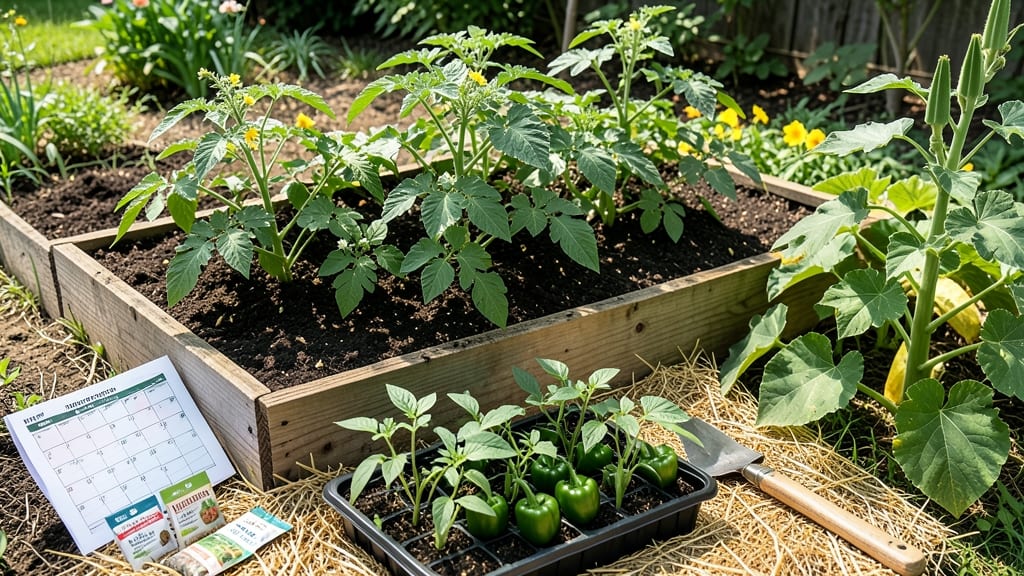
Planting a vegetable garden in Oklahoma at the right time means the difference between thriving plants and wasted effort, especially with the state's unpredictable frost dates and extreme heat.
Oklahoma’s three USDA zones (6b–8a) stretch from late freezes in the north to early heat in the south, so timing matters more than you might think. Get it wrong, and you could end up with bolting lettuce or stunted tomatoes before they even set fruit.
Below, I break down the exact months to start seeds and transplant heat-tolerant varieties across the state, including when to plant cool-season crops like spinach and warm-season favorites like okra—plus how to adjust for microclimates.
You’ll also learn how to stretch your growing season with succession planting and shade strategies, so you can harvest well into October without risking a late frost.
Oklahoma planting calendar by USDA Zone: exact months for cool-season vs. warm-season crops
Oklahoma’s three USDA zones (7a, 7b, 8a) create distinct planting windows, but understanding your last frost dates is critical. In Zone 7a, expect frost until March 25, while Zone 8a sees frost as late as April 15.
This variation means cool-season crops like broccoli and spinach must go in the ground earlier in northern zones, while warm-season crops like okra and sweet potatoes can wait until after April 30 in southern Oklahoma.
For cool-season vegetables, timing is everything—start seeds indoors 6-8 weeks before last frost (February for Zone 7a, March for Zone 8a).
Transplant seedlings 4-6 weeks before frost, giving them time to establish roots before 90°F+ summer heat arrives. Lettuce and spinach bolt quickly in Oklahoma’s heat, so plan to harvest them by late May in northern zones or June 15 in southern areas.
Warm-season crops like tomatoes, peppers, and beans need soil temperatures above 60°F to thrive.
In Zone 7a, wait until April 30 to plant, while Zone 8a gardeners can start as early as April 15. Okra and sweet potatoes, two heat-loving Oklahoma favorites, should go in the ground after May 1 to avoid early spring frosts that can damage tender seedlings.
| USDA Zone | Last Frost Date | Cool-Season Start (Seeds) | Cool-Season Transplant | Warm-Season Start (After Frost) | Heat-Tolerant Crops |
|---|---|---|---|---|---|
| Zone 7a | March 25 | Feb 15 (indoors) | Feb 20 - Mar 10 | April 30 | Okra, Sweet Potatoes, Black-Eyed Peas |
| Zone 7b | March 15 | Feb 20 (indoors) | Mar 1 - Mar 15 | April 20 | Peppers, Eggplant, Southern Peas |
| Zone 8a | April 15 | Mar 1 (indoors) | Mar 15 - Apr 5 | April 15 | Tomatoes, Cucumbers, Malabar Spinach |
*Transplant seedlings 2-3 weeks after last frost for warm-season crops.
One of the biggest mistakes Oklahoma gardeners make is planting warm-season crops too early. Tomato seedlings transplanted in March often stunt or die when nighttime temperatures dip below 50°F. Instead, wait until soil temperatures reach 65°F—typically mid-April in Zone 7a and early April in Zone 8a.
Use row covers for a 2-3 week buffer if you’re eager to get started.
For fall planting, focus on cool-season crops like kale, carrots, and radishes. Seed these August 15 - September 15 for a harvest before first frost (typically November 15). Spinach and lettuce can handle light frosts, making them ideal for Oklahoma’s fall garden.
In Zone 8a, you might even squeeze in a second planting of beans or peas in late September.
Oklahoma’s summer heat (often exceeding 100°F) demands shade cloth or afternoon watering for heat-sensitive crops. Malabar spinach and okra, however, thrive in these conditions and can be planted as early as April 15 in Zone 8a.
Always mulch heavily to retain moisture and water deeply in the morning to prevent fungal diseases like powdery mildew.
Pro tip: Use Oklahoma State University’s frost date maps to pinpoint your exact last frost date. Many counties vary by 1-2 weeks, so local data is invaluable.
For example, Tulsa (Zone 7b) typically sees frost until March 20, while Lawton (Zone 7a) holds off until March 25. Adjust your planting schedule accordingly to avoid wasted effort on early plantings.
Don’t forget about succession planting! In Oklahoma’s short cool season, stagger plantings of lettuce, radishes, and bush beans every 2-3 weeks to ensure a continuous harvest.
For warm-season crops, plant fast-maturing varieties like zucchini in early May and slow growers like butternut squash in late May to maximize space and yield.
With Oklahoma’s unpredictable weather patterns, always have a backup plan. Keep row covers handy for late spring frosts and drip irrigation for summer droughts. By aligning your planting schedule with your specific USDA zone and microclimate, you’ll transform Oklahoma’s challenges into a bountiful harvest year
Top 10 heat-tolerant vegetables for Oklahoma gardens: what to plant in late spring/summer
When Oklahoma’s thermometer climbs past 90°F, most gardeners panic—but the right heat-tolerant vegetables thrive in this climate. These varieties not only survive but produce abundantly during summer’s peak.
The key is selecting drought-resistant plants that love full sun and well-draining soil, like okra and black-eyed peas, which handle Oklahoma’s 100°F+ heat with ease.
Planting these varieties in late May through July ensures you’ll harvest before Oklahoma’s first frost in November. For best results, start seeds indoors 4-6 weeks before the last frost date or transplant after soil temps reach 65°F.
Mulching with straw or wood chips helps retain moisture and keeps roots cool during extreme heat.
| Vegetable | Planting Time | Spacing | Sun Needs | Companion Plants |
|---|---|---|---|---|
| Okra | May–July | 18–24" | Full sun | Beans, peppers, cucumbers |
| Black-Eyed Peas | March–June | 4–6" | Full sun | Corn, potatoes, cucumbers |
| Malabar Spinach | April–July | 12–18" | Partial shade | Peppers, tomatoes, basil |
| Sweet Potatoes | May–June | 12–18" | Full sun | Beans, corn, marigolds |
| Peppers (Jalapeño) | April–June | 18–24" | Full sun | Basil, onions, spinach |
| Eggplant | May–July | 18–24" | Full sun | Peppers, beans, marigolds |
| Cowpeas | April–July | 4–6" | Full sun | Corn, cucumbers, squash |
| Tomatoes (Heatmaster) | April–June | 24–36" | Full sun | Basil, onions, carrots |
| Cucumbers (Lemon) | May–June | 12–18" | Full sun | Beans, peas, radishes |
| Sorghum | May–July | 12–18" | Full sun | Beans, corn, squash |
My top pick for Oklahoma gardens is okra, which not only handles 100°F+ heat but also produces pods year-round if given consistent water. Plant okra seeds directly in the garden after the last frost, spacing them 18–24 inches apart for proper airflow.
Pair it with beans or peppers to deter pests naturally.
For leafy greens in summer, Malabar spinach is a game-changer. Unlike traditional spinach, it thrives in heat and doesn’t bolt like lettuce. Plant it in partial shade to prevent wilting, and harvest leaves as needed—it keeps producing for months.
Add compost to the soil before planting to boost nutrient uptake during Oklahoma’s dry spells.
Don’t overlook sweet potatoes, which grow well in Oklahoma’s sandy loam soil and need minimal care. Plant slips (young plants) in May or June, spacing them 12–18 inches apart.
They’ll spread into a ground cover that shades the soil, reducing water evaporation. Harvest before the first frost for the sweetest tubers.
To maximize your summer harvest, rotate crops every year to prevent soil depletion. For example, follow okra with beans or peppers, which fix nitrogen in the soil. Use drip irrigation to deliver water directly to roots, saving time and reducing waste during Oklahoma’s drought-prone summers.
With these heat-tolerant varieties, your Oklahoma garden can stay productive even when the mercury