
Planting
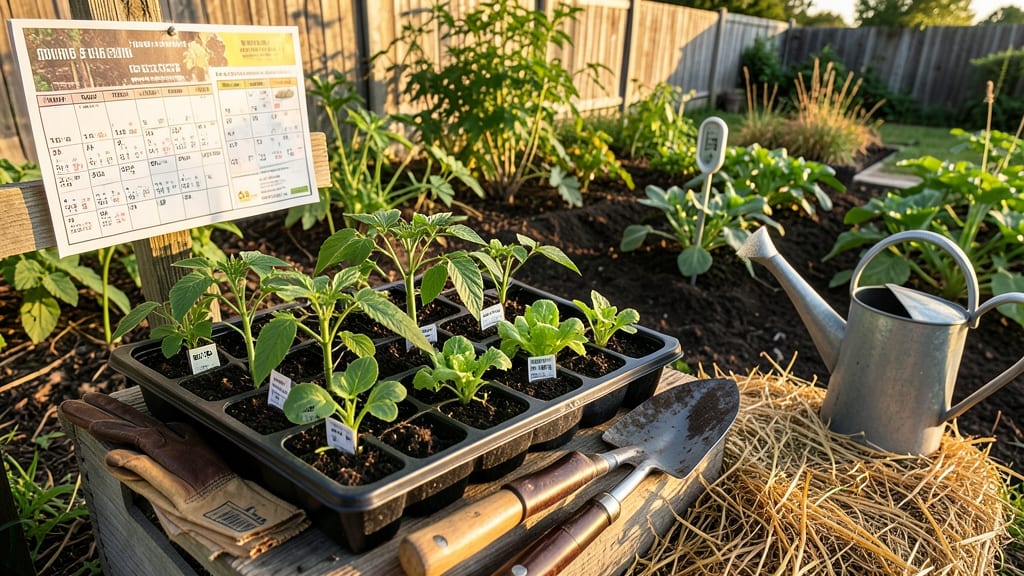
Planting a vegetable garden in Oklahoma at the right time means the difference between a bountiful harvest and a sad, wilted mess.
Oklahoma’s unpredictable weather can make or break your vegetable garden—planting at the wrong time means stunted growth, pests, or total crop failure. But with the right timing, you’ll enjoy a thriving harvest all season long.
Cool-season crops like lettuce and peas thrive when soil temperatures hover around 50°F, while warm-season favorites like tomatoes and peppers need to wait until the ground warms to at least 60°F. Getting this wrong can leave your garden struggling under heat or frost.
Below, I break down the exact planting windows for Oklahoma’s USDA zones 6b–8a, including last frost dates, soil prep tips, and how to stretch your growing season for maximum yields.
Oklahoma planting zones explained: when to start cool vs warm season vegetables
Oklahoma spans USDA Hardiness Zones 6a to 7b, meaning our growing seasons vary significantly from north to south. In Zone 6a (northern OK), last spring frosts can linger until April 15-30, while Zone 7b (southern OK) often sees frost-free conditions by March 15-April 1.
These differences are critical for timing your cool-season vs warm-season crops correctly.
Cool-season vegetables like lettuce, broccoli, and peas thrive in 50-75°F soil temperatures and can handle light frosts. Warm-season crops such as tomatoes, peppers, and cucumbers need 60°F+ soil and won’t tolerate cold snaps. Planting at the wrong time risks bolting, poor germination, or pest infestations.
Here’s how to align your planting schedule with Oklahoma’s microclimates and frost patterns for maximum success:
| Zone & Region | Last Spring Frost | First Fall Frost | Cool-Season Start | Warm-Season Start |
|---|---|---|---|---|
| Zone 6a (Enid, Ponca City) | April 15-30 | October 15-31 | March 1-April 15 | May 1-June 1 |
| Zone 6b (Oklahoma City, Stillwater) | April 1-15 | October 1-15 | February 15-April 1 | April 15-May 15 |
| Zone 7a (Lawton, Ardmore) | March 15-April 1 | October 15-November 1 | January 15-March 1 | March 15-April 15 |
| Zone 7b (Tulsa, Oklahoma City outskirts) | March 1-April 1 | November 1-15 | January 1-February 15 | March 1-April 1 |
For cool-season crops, start seeds indoors 6-8 weeks before your last frost date or sow directly 2-4 weeks before. In Zone 6a, this means mid-February to early March for direct sowing. In Zone 7b, you can begin as early as late January.
Warm-season crops like tomatoes and peppers should only go in after soil reaches 60°F+. Use a soil thermometer to confirm—most Oklahoma regions hit this mark by mid-April to early May. Hardening off seedlings is critical to avoid shock when transitioning from indoor to outdoor conditions.
Pro tip: Use row covers to extend cool-season planting by 2-3 weeks in spring or 4-6 weeks in fall. This protects tender greens like spinach and kale from late frosts while still allowing sunlight and airflow.
In southern Oklahoma (Zone 7b), you can even plant warm-season crops like okra as early as mid-March if you use black plastic mulch to warm the soil faster. Just monitor for early morning frosts, which can still occur until mid-April.
Always check your local Cooperative Extension Service for hyper-local frost data, as microclimates near lakes or hills can shift frost dates by 1-2 weeks. For example, Lake Texoma areas may see 5°F warmer nights than inland zones.
Remember: Succession planting is key in Oklahoma’s short growing season. For warm-season crops, make 2-3 plantings spaced 2 weeks apart to ensure continuous harvests. For cool-season crops, plan a fall planting by mid-July to beat the first frost.
With these zone-specific deadlines
Month-by-month planting calendar for Oklahoma gardens: avoid common mistakes
Oklahoma’s variable climate demands precise timing for vegetable gardens. Northern regions like USDA Zone 6b face earlier frosts, while southern areas in Zone 8a enjoy longer growing seasons. The key?
Planting cool-season crops like lettuce and peas in early spring or fall, while warm-season favorites like tomatoes and peppers need to wait until soil warms to 60°F+.
Skipping soil prep is a costly mistake—Oklahoma’s clay-heavy soil needs compost and organic matter to improve drainage. Test your soil’s pH level (aim for 6.0–7.0) and amend before planting. Another pitfall? Planting warm-season crops too early in northern OK, risking frost damage or leggy seedlings.
⚠️ Don’t Plant These Too Early in Oklahoma!
Warm-season crops like tomatoes, peppers, and cucumbers need soil temps above 60°F. In northern OK (Zone 6b), wait until mid-April to May—planting in March risks frost damage. Cool-season crops like kale and spinach can handle light frosts but avoid planting after mid-September in southern OK to mature before winter.
Start with early spring planting (March–April) for peas, lettuce, and onions. Use row covers to protect tender seedlings from late frosts. In late spring (May–June), transition to warm-season crops like beans, squash, and corn.
Oklahoma’s summer heat (July–August) is perfect for tomatoes, peppers, and eggplants—just mulch heavily to retain moisture.
Fall planting (September–October) is your second chance for cool-season greens like spinach and arugula. In southern OK, you can even squeeze in a winter harvest of radishes or turnips before the first frost. Succession planting (sowing seeds every 2–3 weeks) ensures a continuous harvest—ideal for lettuce, beans, and carrots.
December through February is off-season for most Oklahoma gardens, but don’t neglect soil prep! Use this time to compost, plan next year’s layout, and protect perennials like asparagus with mulch. Cold-hardy crops like kale and Brussels sprouts can survive winter in Zone 7b+—just add extra mulch for insulation.
Pro tip: Track your local frost dates—use the Oklahoma Mesonet for real-time updates. Adjust planting by 1–2 weeks based on your microclimate (e.g., urban areas may be warmer than rural spots). With this calendar, you’ll avoid common mistakes and enjoy a bountiful harvest all season! 🌱