
Picking
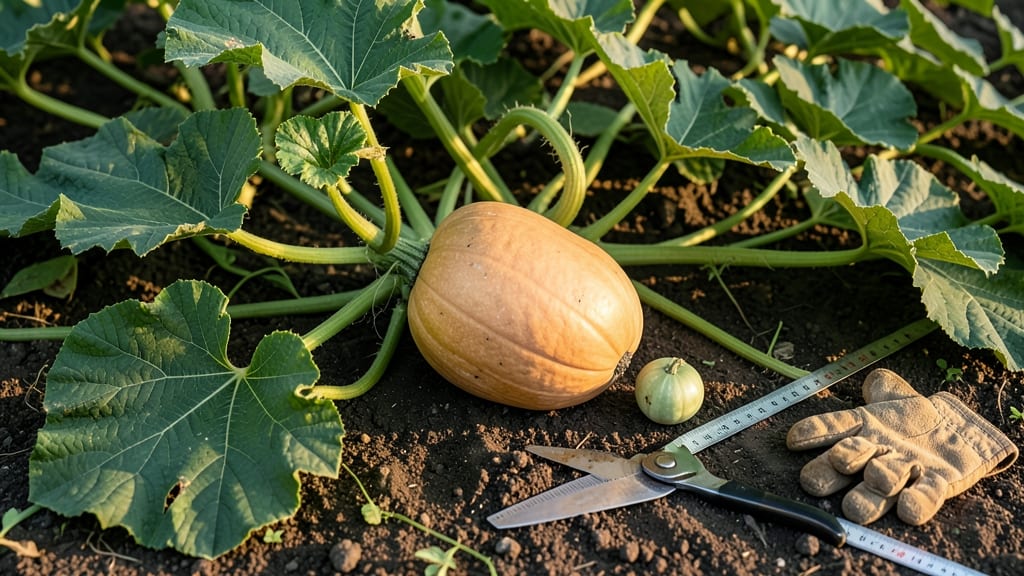
To pick butternut squash from your garden at the perfect moment means capturing sweet, dense flesh that stores for months—so timing is everything.
Picture this: you’ve nurtured your 🎃 plants all summer, and now the vines are curling, the rinds are hardening, and you’re eyeing that first squash with hope. But wait too long, and you’ll end up with a mealy mess.
Get it right, though, and you’ll reward yourself with squash so flavorful it tastes like autumn in every bite.
Most gardeners in Zone 6a know the harvest window falls between September and October, but the exact moment depends on three key signs: skin color, stem condition, and firmness.
Miss these cues, and you risk squash that’s either underripe or overripe—neither of which makes for a great roast or soup.
In this guide, I’ll walk you through the three foolproof signs your butternut squash is ready, how to test ripeness without damaging the fruit, and the best time of day to harvest for maximum shelf life. No more guesswork—just perfect, homegrown squash every time.
3 Visual and physical signs your butternut squash is ready for harvest
Butternut squash reaches its peak flavor and texture when harvested at just the right time. Missing these 3 key signs can mean the difference between a sweet, firm squash and one that’s tough or watery.
I’ve learned from experience that checking these visual and physical cues is the best way to avoid wasted effort and ensure a successful harvest.
First, pay attention to the skin color. When fully ripe, butternut squash develops a rich, tan or beige hue. The color should be consistent all over the squash, not just in patches.
Early in the season, the skin might still have green streaks—this means it’s not ready yet. I always compare my squash to store-bought ones to gauge the right shade.
Next, examine the stem. A ripe butternut squash will have a stem that’s drying out and turning brown. If the stem is still green and plump, the squash needs more time on the vine.
I’ve seen gardeners accidentally harvest too early because they overlooked this simple but crucial detail. A dry stem means the squash is pulling nutrients from the vine and is ready to be picked.
Finally, test the skin hardness. Press your fingernail into the skin—if it resists and doesn’t puncture easily, the squash is ripe. If it gives way, it’s not ready yet. This test is quick and non-destructive, so I use it on every squash before deciding whether to harvest.
It’s one of my go-to methods for ensuring I pick at the perfect moment.
| Sign | Description | What It Means |
|---|---|---|
| Skin Color | Tan or beige, no green streaks | Squash is fully mature and sweet |
| Stem Condition | Dry, brown, and woody | Nutrients are being pulled from the vine |
| Skin Hardness | Resists fingernail pressure | Flesh is firm and flavorful |
| Weight | Feels heavy for its size | Seeds are mature, flesh is dense |
| Vine Health | Beginning to yellow or die back | Plant is redirecting energy to fruit |
Another telltale sign is the weight of the squash. A ripe butternut squash feels surprisingly heavy for its size. This happens because the seeds inside have matured, and the flesh has thickened.
I’ve found that lifting a squash to gauge its weight is a great way to confirm ripeness without damaging it. If it feels light, it’s not ready yet.
Don’t forget to check the vines. When the vines start to yellow and die back naturally, it’s a clear indication that the plant is shifting its energy to the squash.
This is nature’s way of telling you it’s time to harvest. I’ve seen gardeners ignore this sign and end up with squash that’s overripe or even rotting on the vine.
Timing is everything when it comes to harvesting butternut squash. If you pick too early, the flesh will be watery and underdeveloped. If you wait too long, the squash can become tough and lose its sweetness.
That’s why I always harvest in the morning after a dry spell. This ensures the skin is firm and the squash is at its peak flavor.
One common mistake I’ve seen is harvesting based solely on size. Just because a butternut squash looks big doesn’t mean it’s ripe. Always check the color, stem, and skin hardness first.
I’ve had squash that were large but still green inside because they weren’t fully mature. It’s better to wait a few extra days than to harvest too soon and regret it.
Once you’ve confirmed all three signs—color, stem, and skin hardness—it’s time to harvest. Use a sharp knife or pruning shears to cut the squash from the vine, leaving about 1-2 inches of stem attached.
This helps protect the squash from rot during storage. I always clean the squash gently with a damp cloth before storing it in a cool, dry place.
How to test butternut squash ripeness: the 3-Method checklist for gardeners
Butternut squash won’t ripen further after harvest, so timing is everything. If you pick too early, you’ll end up with watery, underdeveloped flesh. Wait too long, and the flavor turns bitter or the skin cracks.
The good news? Three simple tests will tell you exactly when to harvest for peak sweetness and texture. Master these methods, and you’ll never guess again!
Start with the vine inspection, the most reliable early indicator. Healthy vines signal the squash still needs time, while dried or yellowing vines mean it’s time to harvest. Next, use the nail test—a quick way to check skin hardness without damaging the squash.
Finally, the thump test confirms internal ripeness by listening for a hollow sound. Together, these tests give you a foolproof way to pick at the perfect moment.
Step-by-Step Butternut Squash Ripeness Test
-
1. Vine Inspection
Check the vine connecting the squash to the plant. If it’s dry and brown, the squash is ready. Green, healthy vines mean it needs more time. -
2. Nail Test
Press your fingernail into the squash’s skin. If it penetrates easily, it’s not ripe. A ripe squash will resist your nail completely. -
3. Thump Test
Gently tap the squash with your knuckles. A ripe butternut will sound hollow and deep. A dull thud means it’s still developing.
What if your squash fail these tests? If the vines are still green and the nail test shows soft skin, wait 3-5 days and retest. Avoid cutting the squash from the vine too soon—immature butternuts won’t sweeten or store well.
For overripe squash (cracked skin, mushy flesh), use them immediately in soups or roasts before they spoil.
Timing matters most in cooler climates. If frost threatens before your squash ripen, harvest them slightly underripe and cure them indoors for 7-10 days in a warm, dry place. This mimics natural ripening and improves flavor. Just avoid direct sunlight during curing to prevent scarring.
Once you’ve mastered these tests, you’ll never second-guess your harvest again. The key is consistency—check your squash every 2-3 days in late summer to catch the perfect window. With practice, you’ll develop an eye for ripeness, ensuring your butternuts are always at their best for storage or cooking.
Happy harvesting! Your garden’s hard work will pay off with squash so sweet and tender, they’ll become the star of your fall table. 🎃