
Blooming
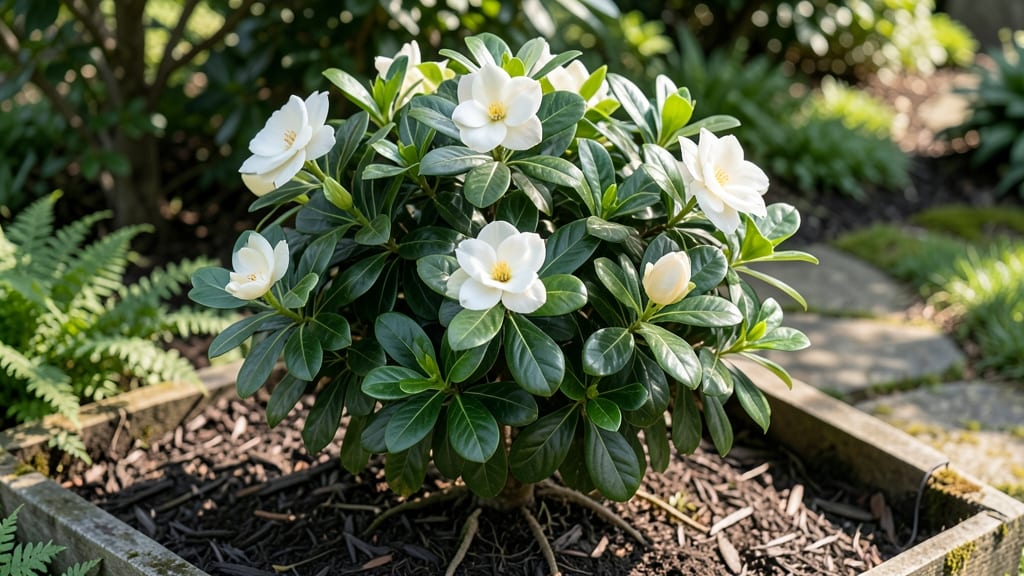
Gardenias bloom in Texas when the heat triggers their natural cycle—typically between March and June, with Gulf Coast varieties often starting as early as February.
If you’ve ever wondered why your gardenias refuse to bloom in Texas’ scorching heat—or when to expect those intoxicating white flowers—timing is everything. These fragrant shrubs 🌸 thrive in the state’s climate but need precise conditions to burst into bloom, and regional differences play a huge role.
North Texas gardenias often wait until late spring, while Gulf Coast plants may start as early as February, thanks to milder winters. Understanding your USDA zone (8a–10b) and microclimates—like the shade of a live oak or the humidity near the coast—can help you predict and even encourage earlier blooms.
In this guide, I’ll break down the exact bloom windows by variety, the heat and humidity triggers that set the schedule, and pro tips to get your gardenias flowering sooner—without overwatering or pruning at the wrong time.
Gardenia bloom seasons in Texas by variety and climate Zone
Texas gardeners know that gardenia blooms are a fragrant reward for patience—but timing varies wildly across the state. In USDA Zones 7-10, your gardenia’s bloom window depends on whether you’re in North Texas’ dry heat or the Gulf Coast’s humidity.
For example, G. jasminoides (the classic Cape Jasmine) typically blooms from March to May in the Hill Country, while G. augusta (the tropical variety) may extend blooms into June or even September along the coast.
The key difference? Heat triggers blooming, but nighttime cooling (below 75°F) signals the plant to produce buds. In Zone 9-10 (South Texas), gardenias often bloom year-round with peaks in spring and fall, while Zone 7-8 plants (North/Central Texas) have a sharper spring bloom before summer heat stresses them.
Let’s break down the exact bloom seasons by variety and how to align your care with Texas’ microclimates.
🌱
If you’re in North Texas (Zones 7b-8a), focus on spring blooms (March–May)—this is when G. jasminoides and G. radicans put on their best shows. The Hill Country’s dry heat can shorten bloom cycles, so consistent afternoon shade (especially in June–August) helps preserve flowers.
I’ve seen gardeners in Austin and San Antonio extend blooms by pruning lightly after the first flush in early May, which encourages a second, smaller bloom in late summer.
For South Texas (Zones 9a-10b), the rules change dramatically. Here, gardenias often bloom twice a year: once in spring (February–April) and again in fall (September–November). The Gulf Coast’s humidity (60%+) and warmer winters create ideal conditions for G. augusta and G. fortuniana.
In Houston or Corpus Christi, I’ve observed G. augusta plants with blooms year-round, though they peak in those two seasons. The trick? Mulching heavily to keep roots cool and watering deeply but infrequently to avoid fungal issues.
One common misconception is that gardenias bloom only in summer. In reality, cooler nights (65–75°F) after hot days are what trigger bud formation. That’s why North Texas’ spring blooms align with milder evenings in March–April, while South Texas’ fall blooms happen as summer heat subsides.
To encourage more blooms, I recommend monitoring your local weather—specifically, the daily low temperatures
How Texas heat and humidity affect gardenia blooming cycles
Texas gardenias love the heat but need a delicate balance to bloom reliably. The 85–95°F daytime temperatures common across USDA Zones 8-10 actually trigger their flowering, but nighttime cooling below 70°F is critical for bud formation. Without this contrast, your gardenias may produce leaves but skip the fragrant blooms entirely.
Humidity plays an equally vital role—gardenias thrive when humidity stays above 60%, which is naturally higher in Gulf Coast regions like Houston. In drier Hill Country areas, you’ll need to supplement with mulch and morning watering to mimic these ideal conditions.
The wrong balance can lead to bud drop or stunted growth.
Common Mistakes That Kill Blooms
Pruning at the wrong time: Never trim after June 1st—this removes next year’s flower buds. Stick to late winter pruning (February) for best results.
Overwatering: Soggy roots cause root rot and stress, which stops blooming. Water only when the top 2 inches of soil are dry.
Ignoring soil pH: Gardenias need acidic soil (pH 5.0-6.0). Test your soil—if it’s alkaline, amend with sulfur or peat moss.
Drought stress is another silent bloom killer in Texas. While gardenias are drought-tolerant once established, prolonged dry spells can cause bud abortion. In South Texas, where summer humidity drops below 50%, I’ve seen gardenias drop buds if not given deep weekly watering during peak heat (June-August).
Even with perfect conditions, gardenias need phosphorus-rich fertilizer to produce blooms. A 10-10-10 NPK ratio applied in early spring and fall encourages flower development. Skip summer feeding—high nitrogen then promotes leafy growth at the expense of blooms.
Microclimates matter too. In North Texas (Zones 7-8), gardenias often bloom February-April when nights cool slightly. But in South Texas (Zones 9-10), they may bloom September-November to escape summer’s extreme heat. Adjust care based on your local pattern.
For consistent blooms, monitor your gardenia’s leaf color—yellowing leaves often signal nutrient deficiency or pH issues, while dark spots may mean fungal stress from overwatering. Address these promptly to keep your gardenia blooming season after season.