Planting
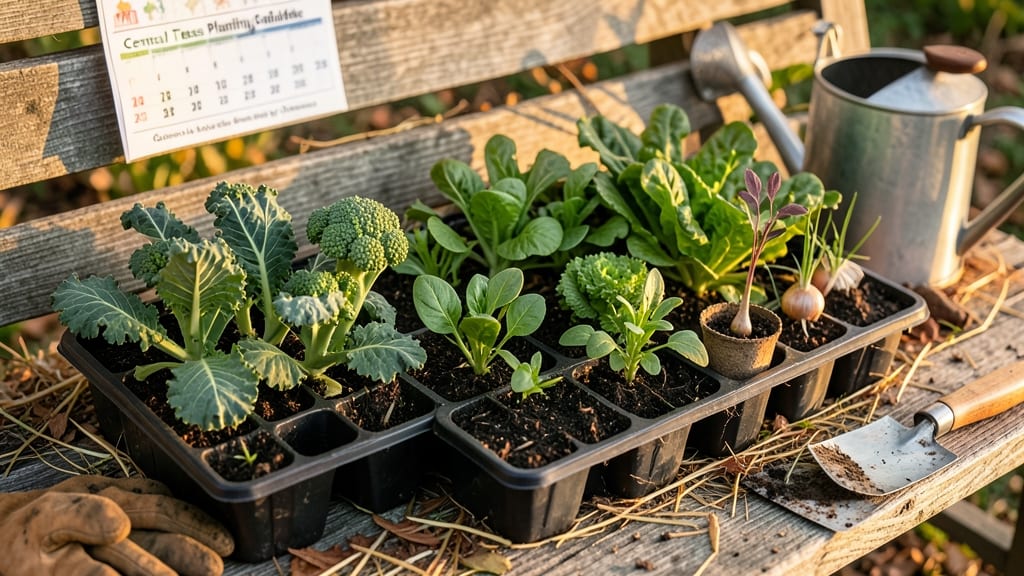
Planting a fall garden in Central Texas starts with timing — aim for mid-August to early October to beat the heat and avoid early frosts 🌱.
Central Texas gardeners know the fall season is a golden opportunity to grow cool-season crops—but planting too early or late can ruin your harvest. Timing is everything, and missing the window by even a few weeks could leave you with wilted greens or stunted roots.
With USDA zones 8a-8b, your fall garden thrives when soil temps drop below 80°F, but the clock is ticking until that first frost hits around mid-November. Get it wrong, and you might end up with a sad, half-harvested garden.
Below, I’ll break down the exact dates for planting everything from leafy greens to root crops, plus the critical mistakes to avoid in Central Texas’s tricky fall climate.
Central Texas fall planting dates by heat Zone (exact calendar guide)
Timing your fall garden in Central Texas depends on your USDA heat zone (8a or 9a) and soil temperature thresholds. Most gardeners in Zone 8a (like Austin) can start as early as mid-August, while Zone 9a (San Antonio) extends the window until early October.
The key is planting 6-8 weeks before your average first frost, which typically lands between November 15-20.
For direct-sown crops like carrots and radishes, aim for soil temps between 50°F-70°F. Transplants such as broccoli and kale thrive when soil cools to 60°F-65°F. Using a soil thermometer ensures you don’t plant too early when residual summer heat stunts growth or too late when frost looms.
Here’s the golden rule: Start cool-season transplants in early September and direct-sow hardy crops by mid-September. Succession planting every 2 weeks extends harvests until December, even after light frosts.
In Zone 8a, broccoli and cabbage transplants should hit the soil by September 1st to mature before frost. For direct-sown crops like carrots and beets, start seeds by August 15th—they germinate best in 60°F-70°F soil.
If you wait until September 15th, expect slower growth and smaller yields.
Zone 9a gardeners enjoy a 2-week extension—plant transplants until October 1st and direct-sow until October 15th. This extra time lets you try longer-season varieties like Romanesco broccoli or Winter Density carrots, which store well and produce sweeter roots after light frosts.
Always check your local frost dates—they can vary by 5-7 days even within Central Texas. Use the Texas A&M AgriLife Extension frost predictor or track 32°F lows on your weather app.
A light frost (28°F-32°F) won’t kill kale or spinach, but hard frosts (below 28°F) will damage most leafy
Best fall vegetables for Central Texas and their planting windows
Fall gardening in Central Texas thrives when you choose the right cool-season crops and plant them at the perfect time. With USDA Zones 8a-8b, your window runs from mid-August to early October, but timing varies by crop.
The key is balancing heat tolerance with frost sensitivity—plant too early, and summer heat wilts seedlings; too late, and frost ruins your harvest.
My top recommendations start with leafy greens like kale and spinach, which handle Central Texas's mild fall temperatures beautifully. Next, root vegetables like carrots and beets thrive in cooler soil, while brassicas like broccoli and cabbage need consistent moisture to avoid bolting.
Don’t overlook green onions and radishes—they’re fast growers perfect for succession planting.
📅 Quick-reference tip: Use the first frost date (November 15) as your deadline. Most crops need 6-8 weeks to mature, so plan backward from that date. For example, plant lettuce in early September for a mid-October harvest before temperatures drop.
| Vegetable | Planting Window | Harvest Window | Sun Needs | Notes |
|---|---|---|---|---|
| Kale | Aug 15–Sep 15 | Oct–Dec | Full sun to part shade | Sweeter after frost; cut-and-come-again |
| Carrots | Aug 1–Sep 30 | Oct–Nov | Full sun | Loose soil prevents forking; sow every 2 weeks |
| Broccoli | Aug 15–Sep 10 | Oct–Nov | Full sun | Transplant starts; harvest before heads loosen |
| Lettuce | Sep 1–Oct 1 | Oct–Nov | Part shade | Heat-tolerant varieties like 'Black Seeded Simpson' |
| Radishes | Sep 15–Oct 15 | Oct–Nov | Full sun | Fast-growing; great for succession |
For successive harvests, focus on short-season crops like radishes and green onions. These can be sown every 2-3 weeks until mid-October, ensuring fresh greens all season. Meanwhile, longer-season crops like broccoli or cabbage should go in late August to mature before frost.
Pro tip: Mulch heavily in late September to protect roots from temperature swings. Use straw or shredded leaves—this keeps soil cool and moist, which is critical for root vegetables like carrots and beets. Just avoid piling mulch against stems to prevent rot.
If you’re new to fall gardening, start with 3-4 easy crops like kale, lettuce, and radishes. These are forgiving and give you confidence before tackling brassicas. And remember: Soil prep is everything. Amend beds with compost in August to ensure nutrients are available when plants need them most.
With these planting windows and a little planning, your Central Texas fall garden can be just as bountiful as spring—if not more so! The cooler weather means fewer pests, and the sweetness of frost-kissed greens is unmatched. Happy planting! 🌱