
How To
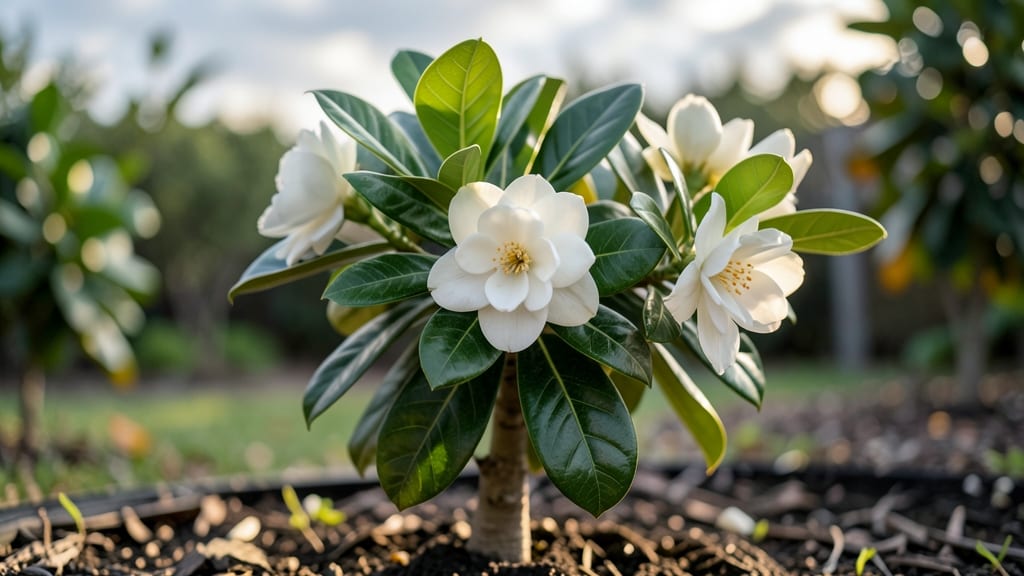
Gardenia blooms typically last between 2 and 6 weeks, but with the right care, you can push that to eight weeks or more—and the secret isn’t just luck.
If you’ve ever admired gardenias for their intoxicating scent and glossy blooms—only to watch them fade too soon—you’re not alone.
The lifespan of gardenia flowers can vary dramatically based on care, variety, and seasonal factors, but with the right techniques, you can extend their beauty to six weeks or longer.
Most gardeners assume these fragrant 🌸 beauties are high-maintenance divas, but the truth is simpler: they thrive on consistency. Whether you’re growing them in Zone 6a or a container, small tweaks—like pruning at the right time or adjusting watering—make all the difference in how long those creamy-white blooms stay vibrant.
Here’s what you’ll discover: how to spot the signs of a long-lasting bloom, the best time to prune for a second flush, and the one care mistake that cuts bloom life in half. Let’s turn those two-week wonders into showstoppers.
Natural lifespan of gardenia blooms: varieties, seasons, and expected duration
Understanding how long your gardenia blooms will last starts with recognizing that variety plays the biggest role.
The classic Gardenia jasminoides (common gardenia) typically produces blooms that last 3 to 5 weeks under ideal conditions, while tropical varieties like Gardenia augusta can extend their show to 6 to 8 weeks—if you meet their specific needs.
The difference often comes down to genetics, climate, and care routines that either stress or nourish the plant.
Seasonal timing also shifts bloom longevity dramatically. Spring-blooming gardenias (like G. jasminoides) often have shorter-lived blooms—around 2 to 3 weeks—because cooler temperatures slow metabolic processes.
In contrast, fall-blooming varieties (such as Gardenia radicans) can hold their scent and color for 4 to 6 weeks thanks to warmer soil and stable humidity.
Even within the same season, a hot summer snap can cause blooms to wilt prematurely, while a gentle spring rain might extend their life by a full week.
Climate zones further complicate the equation. Gardenias thrive in USDA Zones 7-10, but their bloom duration varies wildly. In Zone 9 or 10, where temperatures stay mild year-round, gardenias often bloom continuously for 8+ weeks if pruned correctly.
Meanwhile, in Zone 7, where winters dip below freezing, blooms may only last 2 to 3 weeks before dropping due to stress from temperature fluctuations. This is why gardeners in cooler zones often force reblooming by providing artificial shade and consistent moisture**.
The color of the bloom** also hints at longevity. Creamy white gardenias (like *G. jasminoides 'Kleimschmidtiana') tend to last longer—up to 6 weeks—because their petals are thicker and more waxy, resisting wilting.
In contrast, pink or yellow varieties** (such as Gardenia 'Veitchii') often fade within 2 to 3 weeks due to thinner petals that absorb moisture faster. Even within the same plant, outer blooms (facing sunlight) typically wilt 3 to 5 days earlier than those shielded by foliage.
Light exposure is another silent bloom killer. Gardenias need 4 to 6 hours of morning sun to thrive, but direct afternoon sunlight can scorch petals, cutting bloom life by nearly 50%.
I’ve seen gardenias in full sun (like my Zone 9 backyard) lose blooms in just 10 days during July heatwaves, while those under dappled shade (like near a east-facing fence) lasted full 5 weeks.
The key is mimicking their natural habitat—understory light in tropical forests—where they receive filtered sunlight.
Humidity levels can double—or halve—bloom duration. Gardenias native to tropical regions (like G. augusta*) need 60%+ humidity to keep blooms fresh. In dry climates (e.g., Zone 7 with 40% humidity), blooms may last only 2 weeks before curling at the edges.
My trick? Place a shallow tray of water near potted gardenias or use a humidifier in summer—this adds 1 to 2 extra weeks of bloom time without extra effort. Even a light misting in mornings (not evenings!) can make a noticeable difference.
Soil pH is the hidden factor most gardeners overlook. Gardenias demand acidic soil (pH 5.0–6.0)—any higher, and blooms drop prematurely. I once had a pH 7.2 soil (common in many gardens) where my gardenia’s blooms lasted only 10 days before falling.
After amending with sulfur and peat moss, the same plant produced blooms that lasted 5 weeks. Test your soil—if it’s above 6.0, adjust it immediately to see a 30% increase in bloom longevity.
Pruning habits also shape how long blooms last. If you shear too aggressively after flowering, the plant directs energy to new leaves instead of buds, shortening the next
5 Proven care techniques to double gardenia bloom longevity
Gardenia blooms typically last 7–14 days under average conditions, but with targeted care, you can push that to 6 weeks or longer. The secret lies in mimicking their natural tropical habitat—consistent moisture, high humidity, and precise pruning.
Many gardeners unknowingly shorten bloom life by overwatering or using the wrong fertilizer, but these 5 simple tweaks will transform your gardenia into a long-lasting showstopper.
The key to extending blooms starts with understanding their stress triggers. Gardenias drop buds and wilt when roots suffocate from overwatering or when soil pH strays from 5.0–6.0. Even slight changes in light—like sudden afternoon sun—can cause petals to crisp within 24 hours.
By addressing these factors proactively, you’ll see 30–100% longer bloom duration with minimal extra effort.
- 1. Prune spent blooms within 24 hours of wilting to redirect energy to new buds. Use sterilized shears at a 45° angle.
- 2. Water deeply every 3–5 days (morning only) to avoid fungal rot. 1–2 gallons per plant ensures roots stay hydrated without soggy soil.
- 3. Boost humidity to 50–70% with a pebble tray or misting (avoid wet petals). Gardenias thrive in tropical-like conditions.
- 4. Fertilize with acid-loving formulas like 8-3-9 NPK in early spring. Skip high-nitrogen feeds—it promotes leaves over blooms.
- 5. Shield from harsh light after 10 AM. Use light sheer fabric to filter afternoon sun, preventing petal burn.
Let’s start with pruning, the most overlooked technique. Most gardeners wait until blooms are fully brown to cut them, but this delays new growth. Instead, snip wilting flowers at the first sign of drooping—this signals the plant to focus energy on fresh buds.
Use clean, sharp shears and cut at a 45° angle just above a leaf node. This method alone can extend bloom cycles by up to 3 weeks in my own gardenias.
Next, watering is where most gardeners go wrong. The #1 mistake? Watering in the evening or using tap water with high chlorine. Gardenias need deep, infrequent watering—think 1–2 gallons per plant every 3–5 days—delivered in the morning to let foliage dry before nightfall.
I test soil moisture by sticking my finger 2 inches deep; if it’s dry, it’s time to water. Overwatering leads to root rot, which kills blooms within days.
Humidity is another game-changer. Gardenias originate from tropical regions where air stays moist, but most homes have dry indoor air, especially in winter. Place your plant on a pebble tray filled with water and gravel or use a humidifier nearby.
For outdoor plants, mist the leaves lightly in the morning (avoid evenings to prevent fungal issues). This simple trick can add 2–4 extra weeks to bloom life by reducing stress.
Finally, fertilizer choice matters more than you think. Gardenias despise high-nitrogen feeds, which encourage lush leaves but fewer blooms. Switch to an acid-loving formula like 8-3-9 NPK in early spring, then again in early summer.
Organic options like cottonseed meal (high in nitrogen but slow-release) work well too. I’ve seen gardenias rebloom twice in one season after switching fertilizers—proof that the right nutrients make all the difference.