
Tools
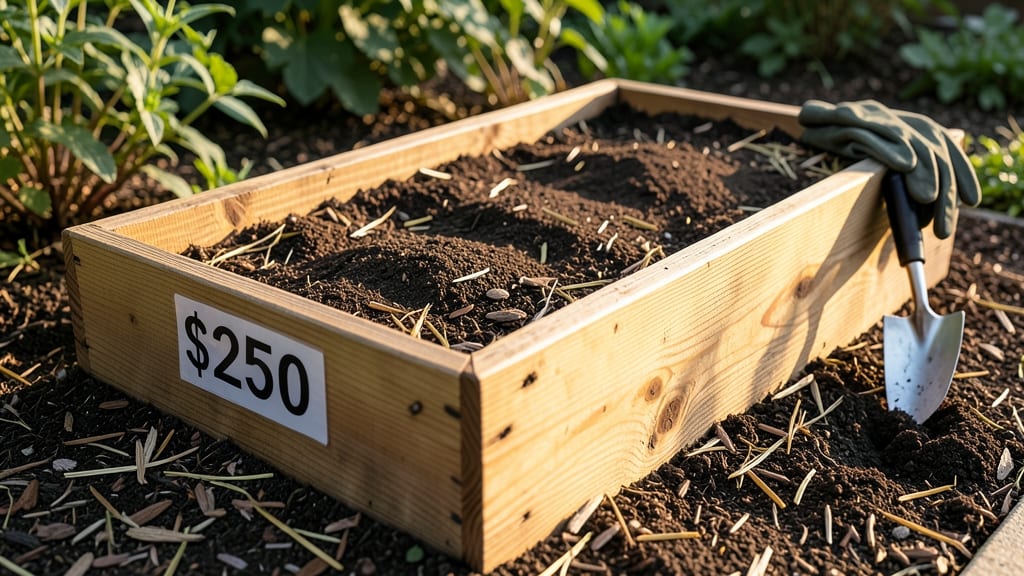
The price of raised garden beds typically ranges from $50 to $500+, depending on materials (cedar, redwood, composite wood, or metal) and dimensions (4x8 ft beds cost $150–$400, while custom sizes or premium materials push costs higher). DIY kits start at $20–$100 for basic lumber.
Raised garden bed costs vary widely because they depend on both the materials used and the size you need. 🌱 Cedar beds, for example, offer natural rot resistance but cost more upfront than basic composite wood, which lasts longer but requires less maintenance.
For most gardeners, a 4x8 ft bed strikes the perfect balance between space and affordability, but larger or custom designs can easily climb into the $500+ range when factoring in labor or premium lumber. The good news? Pre-assembled kits make it easy to save money while still getting professional-quality results.
If you're working with a tight budget, start with a simple DIY kit—these often include everything you need for assembly, including hardware and pre-cut lumber. 💰 For those prioritizing longevity, metal beds might seem expensive at first, but their durability often pays off over years of use.
I always recommend checking local suppliers first, as regional lumber prices can vary significantly based on availability and demand.
💡 In This Article
- How Material Type Affects Raised Garden Bed Pricing
- Size and Design Factors That Impact Costs
How material type affects raised garden bed pricing
Cedar remains the gold standard for raised garden beds because its natural oils resist rot and insects, but this durability comes at a premium.
A 4x8 ft cedar bed typically costs $200–$400 depending on thickness—2-inch boards run about $10–$15 per linear foot, while 6-inch thick beds jump to $20–$30 per foot.
The aromatic scent alone makes cedar appealing, but its price reflects both the quality and the fact that it requires less maintenance than other woods over time.
Redwood offers similar benefits but with even greater natural resistance to decay, making it ideal for humid climates.
However, its cost is 20–30% higher than cedar—expect to pay $300–$500 for a 4x8 ft bed made from 2-inch thick boards. 🌲 Composite wood, on the other hand, combines recycled wood fibers with plastic binders, eliminating rot entirely while costing $150–$350 for the same size. The trade-off?
Composite lacks the natural aesthetic of cedar and can feel slightly less "premium" to touch.
Metal beds, often galvanized steel or aluminum, start around $300–$600 for a 4x8 ft unit and offer unmatched durability—some last 20+ years with minimal upkeep. The initial cost makes them seem expensive, but their resistance to warping, pests, and extreme temperatures means fewer replacements over time.
For budget-conscious gardeners, recycled materials like pallet wood can cut costs to $50–$150, though they require more maintenance and may not last as long.
Regional lumber prices play a huge role too. In coastal areas where cedar grows abundantly, prices may dip 10–20% lower than inland regions where wood must be transported.
Always check local suppliers—big-box stores often mark up materials by 30–50% compared to specialty lumberyards. 💡 Pro tip: Buy in early spring when lumber is typically 15–20% cheaper than summer peaks.
Durability isn't just about cost—it's about long-term value. Cedar beds may need replacement in 7–10 years, while metal or composite can last 15–25 years. If you're planning a permanent garden space, investing in higher-quality materials upfront often saves money over time by reducing replacement cycles.
The key is balancing your budget with your garden's longevity needs.
For those who want the look of wood without the maintenance, composite wood offers a middle ground. It won't develop splinters or cracks like cedar, and it resists staining better—ideal for gardeners who prioritize low-maintenance solutions.
However, composite beds can feel slightly colder to the touch in winter, which may affect plant root health in colder climates.