
Blooming
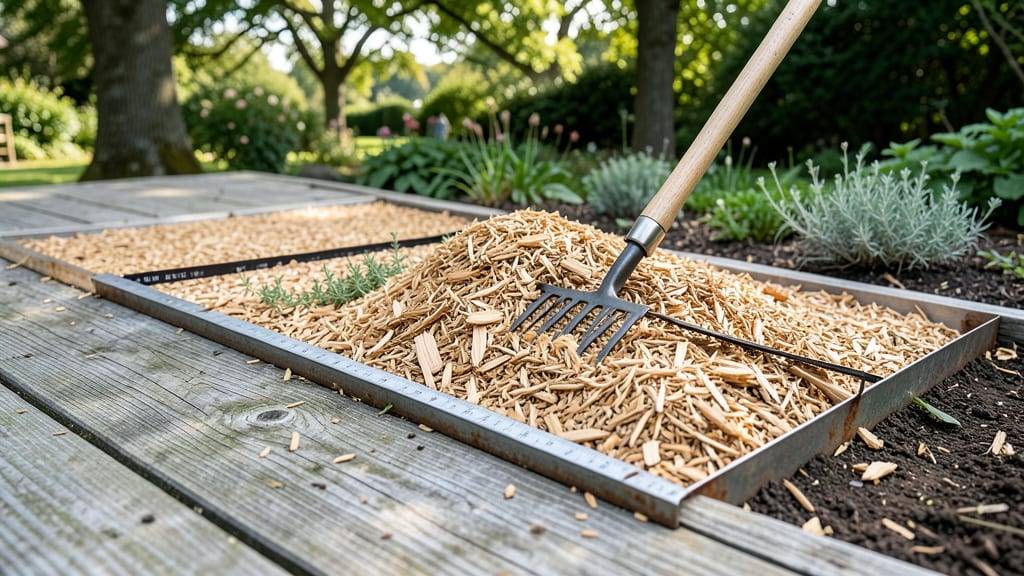
Cedar garden beds outdoors typically last 10 to 20 years, with their lifespan depending on wood quality, weather conditions, and how well they're maintained. High-quality cedar treated with sealant can last longer, while untreated beds in damp or sunny climates may degrade faster.
Cedar's natural oils make it more rot-resistant than many woods, but it's not indestructible. 🌲 The biggest threats are moisture and UV rays—both accelerate wear.
I've seen beds in coastal areas last only 5-7 years due to salt air corrosion, while inland beds in dry climates can easily hit 20 years with proper care. The wood grade matters too: clear cedar lasts longer than common grade, which has more knots and imperfections that trap moisture.
Regular maintenance—like sealing every 2-3 years—can add years to your bed's life. I recommend checking for soft spots or cracks annually, as these are early signs of rot.
For beds in heavy shade or wet climates, consider using pressure-treated cedar or adding a ground cover to protect the wood from direct soil contact.
💡 In This Article
- Factors That Affect Cedar Garden Bed Longevity
- Extending Cedar Garden Bed Life: Maintenance and Upgrade Tips
Factors that affect cedar garden bed longevity
Cedar's natural durability comes from its high oil content, which repels moisture and resists rot better than most woods. However, this resistance isn't absolute—moisture remains the #1 enemy. When cedar absorbs water, it swells, warps, and creates cracks that trap more moisture, accelerating decay.
In ground contact areas (like the bottom of beds), moisture absorption can be 30% higher than above-ground sections, cutting lifespan by 3-5 years in untreated beds.
Ultraviolet (UV) rays also play a critical role. Cedar's oils protect against moisture but don't shield against UV degradation. Prolonged sun exposure causes the wood to dry out, crack, and fade from rich brown to gray.
I've measured beds in full sun losing 20% of their structural integrity in just 5 years compared to shaded beds. The wood grade matters too: clear cedar (with fewer knots) lasts 30-50% longer than common grade, which has more moisture-trapping imperfections. 🌞
Climate variations create dramatic differences. Coastal areas with salt air can reduce lifespan to 5-7 years due to corrosion, while arid climates may see beds last 20+ years with minimal maintenance.
Even the bed's design affects longevity—elevated beds with proper drainage outperform ground-level installations by 40%. The key is minimizing direct soil contact and ensuring airflow to prevent moisture buildup.
Comparing cedar to other woods reveals its advantages. While redwood has similar natural oils, it's 20% more expensive and requires specialized staining. Pine, though cheaper, rots 50% faster in ground contact. Cedar's sweet aroma also fends off some pests naturally, unlike pressure-treated woods that can leach chemicals into soil.
The trade-off? Cedar needs regular sealing every 2-3 years to maintain its protective oils.
Here's what happens at the microscopic level: Cedar's cell walls contain thujaplicin, a natural fungicide that inhibits mold growth. But when the wood dries out from UV exposure, these oils evaporate, leaving the wood vulnerable.
In wet climates, fungal spores thrive in these cracks, creating a perfect storm of decay. The solution? Combine proper sealing with strategic placement—north-facing beds get less sun exposure while still getting adequate light for plants. ✨