
Tools
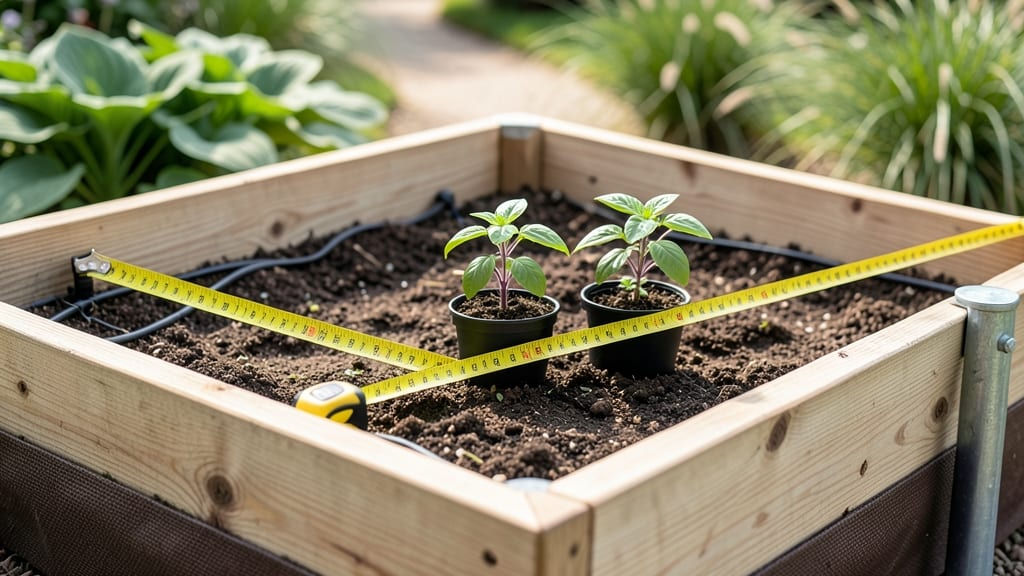
The standard raised garden bed size is 4 feet wide by 8 feet long, creating the perfect balance between planting efficiency and easy access from all sides. This configuration maximizes growing space while keeping maintenance simple for most gardeners.
The 4x8-foot design isn't arbitrary—it's engineered for comfort and productivity. 🌱 This width lets you reach the center of the bed without stepping inside, reducing soil compaction from foot traffic. The length provides enough growing space for most vegetables while keeping the bed manageable to fill with soil and maintain.
For example, a single 4x8 bed can comfortably grow tomatoes, lettuce, herbs, and even small fruit bushes in the same space.
What's interesting is how this size adapts to different growing needs. While the standard dimensions work for most home gardens, you can easily adjust the length (like 4x4 or 4x12) based on your available space and specific crops.
The key is maintaining that 4-foot width—it's the sweet spot for ergonomics and soil health. For urban gardeners with limited space, even a 2x4-foot bed can work wonders with vertical growing techniques.
💡 In This Article
- Why 4x8 Feet Is the Optimal Raised Bed Size
- Customizing Raised Garden Bed Dimensions for Different Spaces
Why 4x8 feet is the optimal raised garden bed size
The 4-foot width of a standard raised bed is a game-changer for garden accessibility. When you stand at the edge of a 4-foot-wide bed, your arm can comfortably reach the center without stepping inside. This prevents soil compaction from foot traffic, which can suffocate plant roots over time.
For example, studies show that soil in walked-on areas can lose up to 30% of its aeration capacity due to compaction, stunting plant growth. 🌱
This width also creates the perfect balance for soil volume and heat retention. A 4x8-foot bed contains about 1 cubic yard of soil (assuming a 12-inch depth), which is enough to support diverse crops while keeping the soil warm enough for spring planting.
Compare this to a 3-foot-wide bed, which might feel cramped for larger plants like tomatoes, while a 5-foot width risks over-reaching and soil disturbance.
The 8-foot length maximizes growing space without overwhelming maintenance tasks. Most gardeners can fill an 8-foot bed with soil in about 1-2 hours, whereas a 12-foot bed might take twice as long.
This length also allows for efficient planting layouts—like the "square foot gardening" method—which lets you grow 16 plants per square foot in a well-organized grid. The key is that 8 feet is long enough for multiple rows of crops but short enough to avoid soil drying issues in hot climates.
Drainage efficiency is another critical factor. The 4x8 dimensions create a 16-square-foot footprint with optimal water distribution. Water applied to one end will naturally flow to the other, preventing dry pockets while avoiding waterlogging.
In contrast, a 4x4 bed might suffer from uneven moisture distribution, while a 4x12 bed risks over-saturation in the center. This balance is especially important for root vegetables like carrots or beets, which need consistent moisture but hate soggy soil.
Finally, this size supports a surprising variety of plants. A single 4x8 bed can accommodate 1-2 tomato plants, 8-12 lettuce plants, 16-20 herbs, and even 2-4 small fruit bushes like blueberries or raspberries.
The vertical space above the bed can be used for trellises, allowing vining plants like cucumbers or peas to grow upward, freeing up ground space for other crops. This multi-level approach maximizes yield in minimal footprint.
What most gardeners don't realize is how this size adapts to different climates. In cooler regions, the soil warms faster in a 4x8 bed compared to ground-level plots, giving you a 2-3 week head start on the growing season.
Meanwhile, in hot climates, the bed's dimensions help shade the soil from direct sunlight, reducing evaporation and keeping roots cooler. It's a design that works beautifully across diverse environments. 💫