
Tools
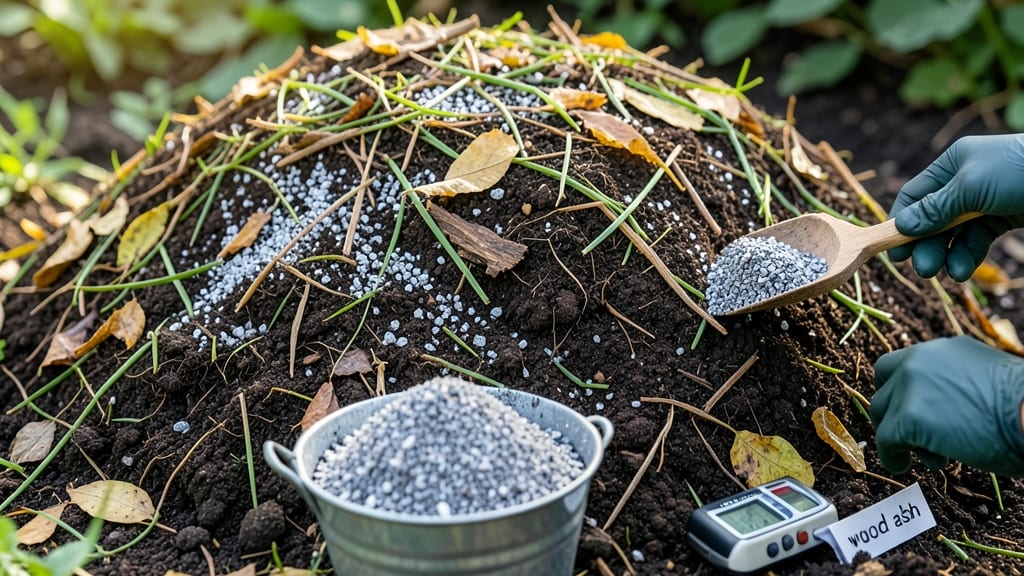
Wood ash is good for garden soil because it raises pH levels in acidic soil, providing potassium and calcium while improving nutrient availability. However, overuse can disrupt soil chemistry, harm plants, and leach essential nutrients like nitrogen. Use sparingly and test soil first.
Using wood ash in your garden can be a game-changer for plants struggling in acidic soil, as it introduces alkaline minerals that help balance pH levels. 🌱 The potassium and calcium it provides support root development and flowering, but the key is moderation—too much can create an overly alkaline environment where plants struggle to absorb iron or manganese.
I always recommend mixing it lightly into the topsoil rather than applying it directly, and testing soil pH every few months to avoid overcorrecting.
For best results, apply wood ash only to acidic soils (pH below 6.5) and avoid it entirely on alkaline soils or for plants like blueberries that thrive in acidic conditions.
A light sprinkling—about 1 pound per 100 square feet—is plenty to start, and always water it in thoroughly to prevent root burns.
💡 In This Article
- How Wood Ash Alters Soil Chemistry and Plant Health
- Safe Wood Ash Application Guidelines for Gardeners
How wood ash alters soil chemistry and plant health
Wood ash works as a natural soil amendment by introducing alkaline minerals that neutralize acidity. When burned, wood converts into a fine powder rich in potassium oxide (5-10%) and calcium oxide (20-40%), both of which react with acidic hydrogen ions in the soil.
This chemical reaction raises the pH level, making nutrients like phosphorus and nitrogen more accessible to plants. For example, in clay-heavy soils that naturally hold acidity, wood ash can shift pH from 5.5 to 6.5—the ideal range for most vegetables.
The potassium content in wood ash supports root development and flowering, while calcium strengthens cell walls, reducing diseases like blossom end rot in tomatoes. However, the real magic—and danger—lies in how it alters micronutrient availability.
At pH levels above 7.0, iron and manganese become "locked" in the soil, creating deficiencies that manifest as yellowing leaves (chlorosis) despite adequate fertilizer use. Sandy soils, which drain quickly, are particularly vulnerable to this imbalance because they lack the buffering capacity of clay particles.
What most gardeners overlook is the salt content in wood ash. When applied in excess, it can create a hyper-alkaline environment where beneficial microbes struggle to thrive.
The sodium and chloride ions in ash act like tiny salt crystals, dehydrating root tips and creating a hostile zone for beneficial fungi like mycorrhizae.
This is why I always recommend mixing ash into the top 2-3 inches of soil rather than scattering it on the surface—it prevents direct contact with plant roots while still allowing the minerals to diffuse gradually.
Consider this comparison: A 1-pound application per 100 sq ft can raise soil pH by 0.5-1.0 units in acidic soils, while the same amount on already alkaline soil (pH 7.5+) can push it into harmful territory (pH 8.0+).
The texture of wood ash—fine and powdery—means it dissolves quickly in water, which is why thorough watering after application is critical. Without this step, you risk creating localized hotspots where ash concentrates near the soil surface, potentially burning tender seedlings.
For visual learners, think of wood ash as a pH "thermostat" for your soil. Too little leaves plants starving for calcium and potassium, while too much turns your garden into a chemistry experiment where micronutrients vanish.
The sweet spot? A light dusting followed by soil testing 3 months later to gauge the impact. This approach lets you fine-tune rather than overcorrect—because in gardening, precision often beats brute force.
Pro tip: Save ash from untreated hardwoods (oak, maple) for gardening—softwoods like pine contain higher levels of volatile compounds that can harm plants. Always use ash from clean, chemical-free fires to avoid introducing toxic residues into your soil ecosystem. 🌱