
Landscaping
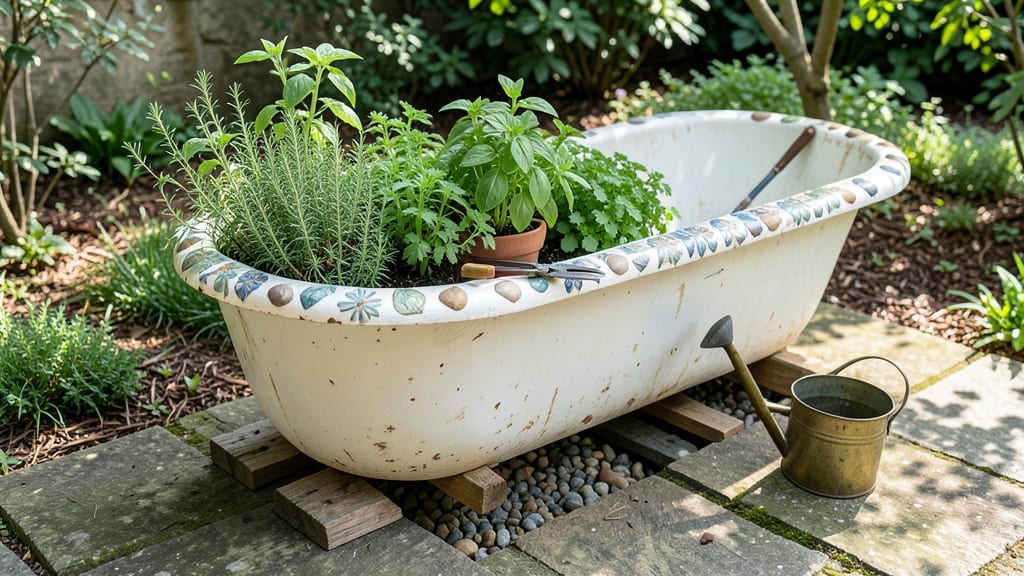
Old bathtub garden ideas transform discarded tubs into stylish, space-efficient planters for herbs, succulents, or cascading flowers by adding drainage holes and saucers. Use landscape fabric to contain soil and elevate on sturdy stands for better weight distribution and water drainage.
Repurposing old bathtubs creates a unique vertical gardening solution perfect for small patios, balconies, or even indoor spaces. 🌿 The key is balancing weight distribution—ceramic tubs hold more soil but need reinforced stands, while fiberglass tubs are lighter but require extra drainage to prevent root rot.
I've seen these containers hold everything from rosemary bushes to trailing ivy, adding both greenery and charm to any area. The best part? Their built-in saucers catch water runoff, making maintenance a breeze while keeping your surfaces dry.
For stability, I recommend using adjustable metal stands or cinder blocks, especially if you're placing them on uneven surfaces. This not only prevents tipping but also gives you flexibility to adjust the height based on your plants' needs.
Plus, the tub's curved shape naturally directs water toward the center, which is perfect for plants that prefer consistent moisture like mint or basil.
💡 In This Article
- How to Convert a Bathtub into a Functional Garden Planter
- Best Plants for Bathtub Gardens and Maintenance Tips
How to convert a bathtub into a functional garden planter
First, you'll need to modify your bathtub to prevent soil erosion and water damage. Start by drilling 1/4-inch to 1/2-inch drainage holes along the bottom edge—about 10-12 holes spaced evenly every 4-6 inches.
Use a hole saw bit for clean edges, then seal the inner edges with waterproof silicone to prevent soil leakage. 🌱 The tub's built-in overflow drain can also serve as a secondary drainage point if you connect a flexible tube to direct excess water away from your base.
For stability, the weight distribution matters more than you might think. Ceramic tubs can weigh 100-150 pounds when filled with soil, so use adjustable metal stands or heavy-duty cinder blocks placed at all four corners.
Fiberglass tubs are lighter (30-50 pounds) but require extra reinforcement since they're prone to cracking under uneven pressure. I recommend adding a 1-inch thick layer of pebbles at the bottom before soil to improve drainage and reduce weight on the tub's sides.
Soil selection is critical for confined root spaces. Use a lightweight potting mix with 30-40% perlite or vermiculite to improve aeration, especially for shallow-rooted plants like succulents. For herbs, a 50/50 blend of potting soil and compost works best—this balance retains moisture while preventing compaction.
Add a landscape fabric layer over the drainage holes before soil to keep it contained while allowing water to pass through freely.
Don't overlook the saucer's role—it's not just decorative. A shallow saucer (1-2 inches deep) catches runoff and prevents water from pooling beneath, which could lead to mold or structural damage. For extra protection, place a waterproof tray liner inside the saucer to make cleanup easier.
If your tub lacks a built-in saucer, create one by cutting a waterproof plastic liner to fit the tub's base and securing it with silicone adhesive.
Pro tip: If you're using a fiberglass tub, avoid placing it directly on grass or soil—moisture can cause the tub to degrade over time. Instead, use concrete pavers or decking boards as a stable base.
For ceramic tubs, consider adding non-slip pads to the stand's feet to prevent shifting, especially in windy conditions. 💫 This attention to detail ensures your bathtub garden stays both functional and long-lasting.
Finally, test your setup before planting. Fill the tub with water and observe drainage for 10-15 minutes—if water pools in any area, adjust the hole placement or add more pebbles to improve flow. This simple test prevents future waterlogging issues that could harm your plants.