
Landscaping
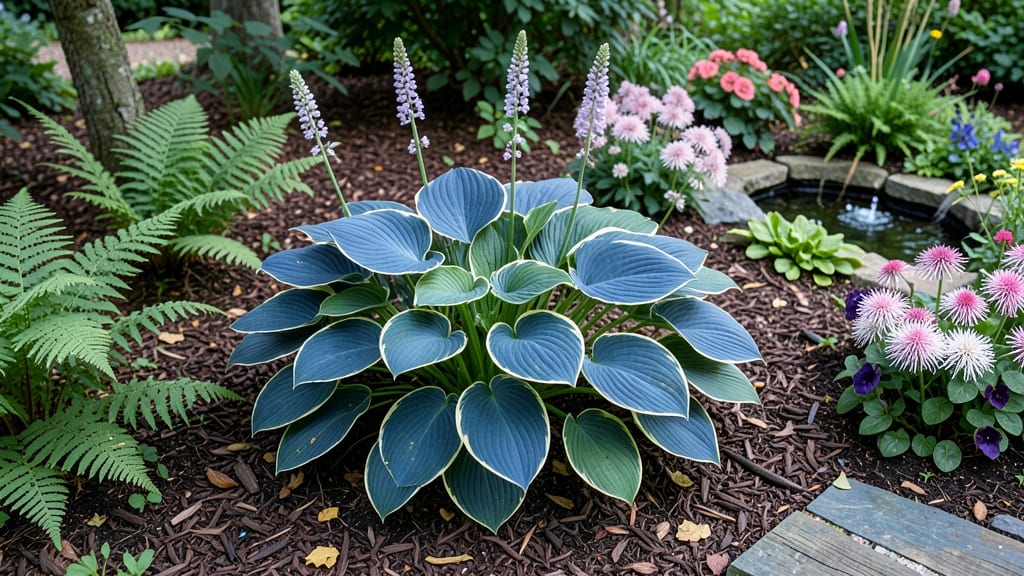
Transforming your Zone 6 yard with shade garden ideas doesn’t mean settling for dull or sparse plantings—it’s all about choosing the right shade-tolerant plants and designing with intention.
Picture this: a cool, dappled corner of your yard that stays green and vibrant all year, even when the sun skips town. The secret? Low-maintenance perennials, smart layering, and a few creative tricks to make the most of the shade.
In Zone 6, where summers can be humid and winters chilly, the right plants—like hostas, ferns, and shade-loving shrubs—will thrive with minimal fuss. Plus, with the right layout, you can add texture, color, and even a water feature to turn your shady spot into a serene retreat.
Below, I’ll walk you through 15 easy-care plants, how to layer them for depth, and tips to keep your garden looking its best from spring through fall—no compromise needed.
 Best Window Placement
15 Best low-maintenance shade-loving plants for Zone 6 gardens
Shady spots in your Zone 6 garden aren’t dead zones—they’re perfect for creating lush, vibrant spaces with the right low-maintenance plants. Many gardeners avoid shade areas, but these hardy perennials, shrubs, and ground covers thrive with minimal care while adding texture, color, and year-round interest.
The key is selecting plants that tolerate partial to full shade and match your garden’s moisture and soil conditions.
Zone 6’s climate—with cold winters and hot, humid summers—demands plants that can handle temperature fluctuations and moisture retention. The plants below are proven winners, offering seasonal blooms, foliage interest, and minimal upkeep.
Whether you’re filling a woodland garden, brightening a north-facing yard, or softening a dark corner, these options deliver beauty without the fuss.
| Plant Name | Type | Sunlight Needs | Mature Size | Seasonal Interest | Care Level |
|---|---|---|---|---|---|
| Hostas | Perennial | Partial to full shade | 1-3 ft tall, 1-2 ft wide | Spring blooms, summer foliage | Very low |
| Hydrangeas (Bigleaf) | Shrub | Partial shade | 3-6 ft tall, 3-5 ft wide | Summer to fall blooms | Low |
| Ferns (Ostrich, Japanese) | Perennial | Full shade | 2-4 ft tall, 2-3 ft wide | Year-round foliage | Very low |
| Heuchera (Coral Bells) | Perennial | Partial to full shade | 1-2 ft tall, 1-2 ft wide | Spring blooms, colorful foliage | Very low |
| Astilbe | Perennial | Partial shade | 1-3 ft tall, 1-2 ft wide | Summer plumes | Low |
| Liriope (Monkey Grass) | Ground Cover | Partial to full shade | 1-2 ft tall, spreads wide | Summer blooms, year-round foliage | Very low |
| Japanese Painted Fern | Perennial | Full shade | 2-3 ft tall, 2-3 ft wide | Year-round foliage | Very low |
| Bleeding Heart | Perennial | Partial to full shade | 2-3 ft tall, 2-3 ft wide | Spring blooms | Low |
| Daffodils (Spring-Blooming) | Bulb | Partial shade | 6-12 in tall | Early spring blooms | Very low |
| Sweet Woodruff | Ground Cover | Full shade | 6-12 in tall, spreads wide | Spring foliage, fragrant | Very low
Layering techniques for a thriving shade garden in Zone 6A shade garden in Zone 6 thrives when you create visual depth through strategic layering techniques. By combining plants of varying heights—tall shrubs, medium perennials, and ground covers—you’ll mimic a natural forest understory while maximizing space and texture. The key is selecting complementary foliage and blooms that harmonize in color and form. Start with a backbone of tall plants like Japanese maples or fern bushes to anchor your design. These provide structure and draw the eye upward, creating a sense of grandeur in shady areas. Next, layer in medium-height perennials such as hostas or astilbes to fill the mid-ground with lush foliage and seasonal blooms. Finally, tuck in low-growing ground covers like ajuga or sweet woodruff to soften the space and suppress weeds. 🌿 Shade Garden Layering Guide for Zone 6
When pairing plants, focus on foliage contrast—mix broadleaf hostas with feathery ferns and spiky heucheras for dynamic texture. For color harmony, group plants with similar hue families, like purples and blues (ajuga, lungwort) or silvers and greens (lamium, sweet woodruff). This creates a cohesive look while keeping maintenance simple. Don’t overlook the undergarden—this is where ground covers and bulbs shine. Plant crocuses or snowdrops in early spring before taller foliage emerges, then let ajuga or foamflower (Tiarella cordifolia) take over as summer approaches. Mulch with shredded bark or leaf mold to retain moisture and regulate soil temperature. Incorporate vertical elements like ornamental grasses or trellised climbers (e.g., clematis or climbing hydrangea) to add dimension without taking up ground space. These draw the eye upward and create visual interest in deep shade. For a wildflower touch, sprinkle wild ginger (Asarum canadense) or toad lilies (Tricyrtis spp.) for unexpected pops of color. Finally, remember that shade gardens evolve. Start with a core group of plants, then refine over time by observing which combinations thrive. Prune overgrown foliage in early spring and divide crowded perennials every 3-4 years to keep your garden healthy and vibrant. With these layering techniques, your Zone 6 shade garden will feel lush, intentional, and full of life year-round. 🌿 |