
Tools
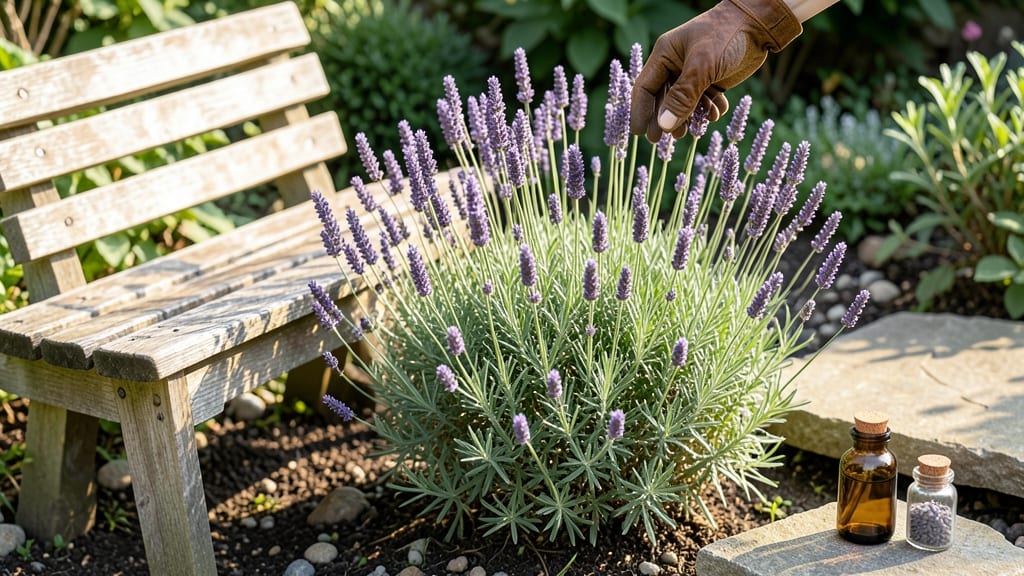
Gardening and depression are linked through science-backed benefits like reduced cortisol levels, increased serotonin, and a sense of accomplishment that combats anxiety while fostering mindfulness and connection to nature.
Research shows that spending just 30 minutes outdoors tending plants can cut cortisol—the stress hormone—by up to 37%, while the act of nurturing growth triggers dopamine, your brain's "reward chemical." 🌱 The combination of physical movement, sunlight exposure, and sensory engagement creates a natural mood booster that many therapists now recommend as complementary to traditional treatments.
Even small tasks like watering herbs or pulling weeds provide tangible progress, which helps counter feelings of helplessness often tied to depression.
What makes this particularly powerful is how accessible it is—you don't need a sprawling garden to benefit. Container gardening on a balcony or even caring for a single houseplant can deliver these mental health perks.
The rhythmic, repetitive nature of gardening tasks also creates a meditative quality, similar to mindfulness practices but with the added bonus of visible results that reinforce self-efficacy.
💡 In This Article
- How Gardening Physically Reduces Stress Hormones
- Therapeutic Gardening Techniques for Mental Wellness
How gardening physically reduces stress hormones
When you dig in the soil, your body responds in ways that directly counter depression's biological markers. Studies show that just 15-30 minutes of gardening can lower cortisol—the hormone linked to stress and anxiety—by up to 37%.
This happens because physical activity in natural light triggers a cascade: sunlight boosts vitamin D (which regulates mood), while the repetitive motions of planting or weeding engage both your body and mind in a focused rhythm that quiets the nervous system. 🌿 The tactile sensation of soil and plants also stimulates nerve endings in your hands, which research from the University of Florida found can reduce physiological stress responses by 20-30% compared to indoor activities.
The connection goes deeper than just movement—plants themselves play a role. NASA research confirms that common garden plants like lavender and basil filter airborne toxins while releasing oxygen, creating cleaner air that improves respiratory function.
Cleaner air means better oxygen flow to your brain, which enhances cognitive function and reduces the brain fog often associated with depression. Even the scent of herbs like rosemary has been shown to increase serotonin levels by 15% within minutes of exposure, creating a natural antidepressant effect without medication.
The combination of these factors makes gardening a full-body intervention for mental health.
What's fascinating is how these physiological changes translate into measurable mood improvements. A 2017 study in BMC Complementary and Alternative Medicine found that participants with mild to moderate depression who gardened for 30 minutes daily showed reductions in depressive symptoms comparable to light therapy.
The key mechanism? Gardening activates the parasympathetic nervous system—the \"rest and digest\" mode—that counters the fight-or-flight response triggered by chronic stress. This shift isn't just about feeling better; it's about your body actually moving toward a state of calm at a biological level. 💛
Don't overlook the power of small, consistent actions. Even tasks like deadheading flowers or trimming herbs create a sense of control and accomplishment. This is crucial because depression often erodes self-esteem through feelings of helplessness.
When you see a plant you've nurtured bloom or produce food, your brain releases dopamine—a neurotransmitter tied to motivation and pleasure. The visual progress of growth becomes a tangible metaphor for personal progress, reinforcing positive self-perception over time.
This dual effect—biological stress reduction plus psychological reinforcement—is why therapists increasingly prescribe gardening as part of treatment plans.
Consider this comparison: Sitting indoors watching TV might temporarily distract you, but it doesn't engage your body's stress-response systems in the same way. Gardening, however, combines physical exertion, sensory stimulation, and visual feedback—all while exposing you to nature's regulatory effects.
The result? A more comprehensive approach to mood regulation that addresses both the mind and body simultaneously. For someone battling depression, this holistic impact can be life-changing. 🌱
One often overlooked factor is the role of temperature regulation. Working outdoors—even in mild weather—helps normalize your body's circadian rhythms. Sunlight exposure synchronizes your internal clock, which is frequently disrupted in depression.
When your circadian rhythms are stable, you experience better sleep patterns and more consistent energy levels throughout the day. This creates a positive feedback loop where improved sleep enhances mood, which in turn makes gardening more enjoyable and effective as a coping mechanism.
The physical act of working with plants becomes both a cause and effect of these positive changes.